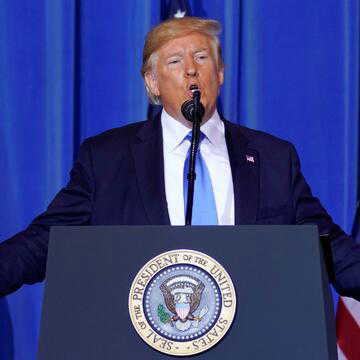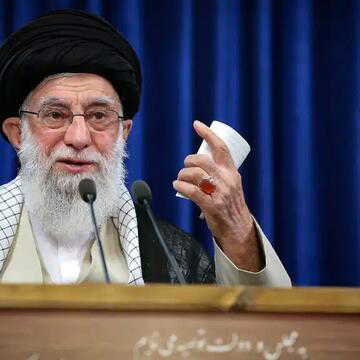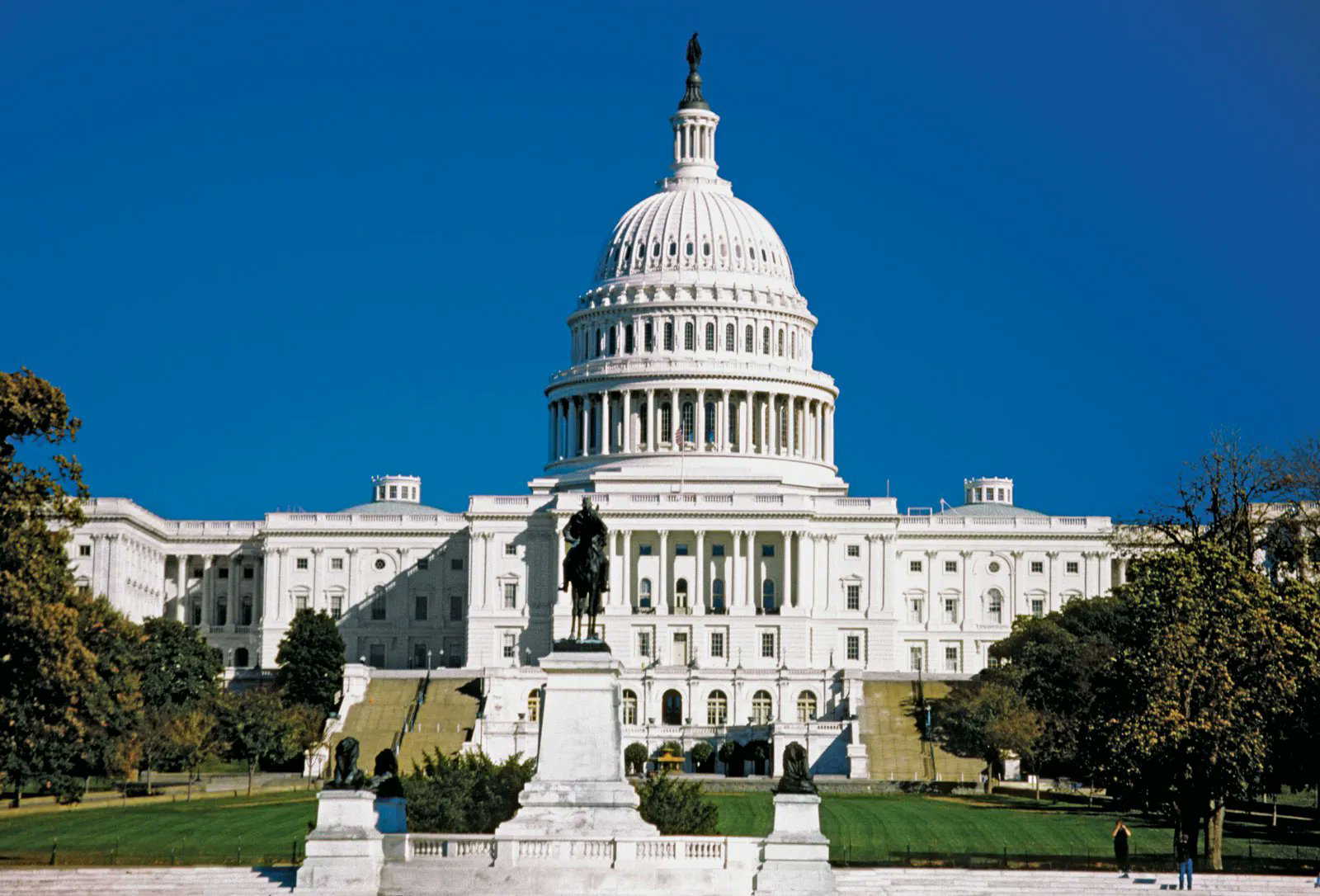
The US Senate on Tuesday approved a war powers resolution directing President Donald Trump to halt US military action against Iran, delivering a rare, if largely symbolic, rebuke to the White House at a time of deepening concern on Capitol Hill over the conflict and its political costs.
The vote was 50-48, with the measure having already passed the House earlier this month, and it became the first time both chambers of Congress have backed a resolution directing a president to remove US armed forces from hostilities since the War Powers Resolution was enacted in 1973.
Also Read | France's first Ebola case sparks monitoring drive; WHO seeks to calm fears
🚨 JUST IN: The US Senate has just PASSED an Iran War Powers Resolution to block President Trump's authorities in Iran, while he works out a peace deal, 50-48
— Eric Daugherty (@EricLDaugh) June 23, 2026
STOP WASTING TIME ON THIS BS! It won't bind Trump into ANYTHING.
Why do the Democrats and some Republicans want to TAKE… pic.twitter.com/AEzpTUSvDS
Senate tally reflected a narrow but notable cross-party break
The Senate tally reflected a narrow but notable cross-party break.
Four Republicans—Susan Collins of Maine, Rand Paul of Kentucky, Bill Cassidy of Louisiana, and Lisa Murkowski of Alaska—voted in favor, while Democrat John Fetterman of Pennsylvania voted against.
Two Republican senators, Mitch McConnell of Kentucky and Dave McCormick of Pennsylvania, were absent.
In the House, the companion resolution passed 215-208, with four Republicans joining all Democrats in support. The result came amid growing concern, including among some Republicans, about the unpopular conflict that began on February 28 when the US and Israel launched an attack on Iran.
White House downplayed the significance of the vote
The White House immediately downplayed the significance of the Senate vote. A White House official said it had “no significance,” arguing that the resolutions do not go to the president and have “no force of law" and that the outcome was driven by “Republican absences.”
The same official said the resolution directs Trump to remove US forces from hostilities but maintained that there are no hostilities to end because, in the administration’s view, they were terminated by a ceasefire on April 7.
Trump also lashed out on Truth Social, calling the vote “poorly timed and meaningless” and saying it “provided aid and comfort” to Iran. Senate Democratic Leader Chuck Schumer, meanwhile, said, “Time after time, the vast majority of Senate Republicans sided with Trump and his war instead of the American people.”
🇺🇸🇮🇷 The U.S. Senate just passed the Iran Powers Resolution, an act that blocks military action against Iran unless there's congressional authorisation.
— Mario Nawfal (@MarioNawfal) June 23, 2026
If Trump strikes Iran again, he would have no way of justifying it under any emergency executive power.
The midterms are… pic.twitter.com/040DLL6QrK
The vote carries political weight despite legal uncertainty
The vote carries political weight even though its legal force remains disputed. The White House has insisted the War Powers Act is unconstitutional and not binding, while legal experts said the issue is likely to be settled in court.
Under the 1973 law, the concurrent resolution does not go to the president for signature, but no war powers resolution has previously passed both chambers. A 1983 Supreme Court ruling that said such a measure must be submitted for a president’s signature or veto to have legal effect.
The resolution also arrives as Trump’s administration pursues a peace agreement with Iran and as Congress is expected to review any eventual deal affecting Iran’s nuclear program. Trump is expected to meet Republican senators on Wednesday.
Also Read | New York primaries shock Democrats as Mamdani allies topple party veterans
FAQs
Q1: What is the Iran war powers resolution passed by the US Congress?
Ans: The resolution seeks to require the president to end U.S. military involvement in hostilities with Iran unless Congress specifically authorizes it.
Q2: Why is the Senate's vote on the Iran war powers resolution significant?
Ans: The vote marks the first time since 1973 that both the House and Senate have approved a war powers resolution directing a president to remove U.S. forces from a conflict.