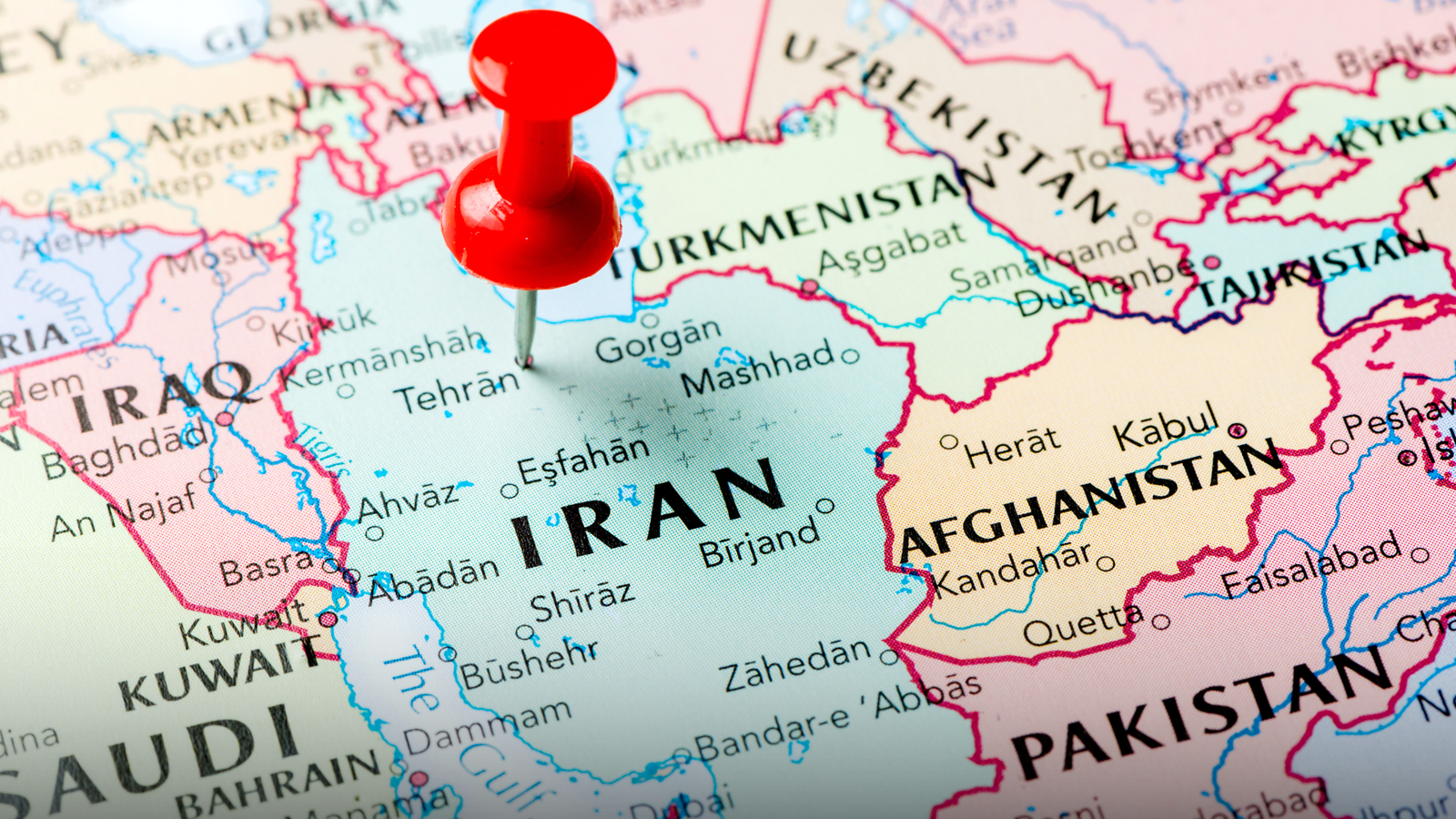
Rising tensions after the Israel-US attack on Iran are beginning to affect India's trade with West Asia. Exporters say uncertainty in the region is already putting pressure on key sectors.
Iran is the largest overseas market for Indian basmati rice. According to the All India Rice Exporters Association, 25 per cent of India's total basmati rice exports are to Iran, while 20 per cent are to Iraq. Together, shipments to these two countries cross 2 million tonnes and are valued at over $2 billion. Last year alone, India exported $1.2 billion worth of basmati rice to Iran, NDTV reported.
Impact on rice and tea exports
Exporters say any prolonged conflict could disrupt trade routes and payments. Basmati exports to Iraq may also be affected due to regional instability. There are concerns that uncertainty in Iran could impact rice trade across parts of Central Asia as well, as per NDTV.
Tea exports are also at risk. In 2024-25, India exported tea worth around Rs 7 billion to Iran. Traders fear that continued instability may reduce demand and delay payments.
Currency fall and earlier pressures
The impact did not begin with the recent escalation. Political uncertainty and internal tensions in Iran had already slowed trade. Last month, the United States announced an additional 25 per cent tariff on countries trading with Iran.
As a result of multiple pressures, the Iranian currency, the Rial, has depreciated by around 50 per cent. This has reduced the purchasing power of consumers in Iran. Exporters say this currency weakness had already started affecting orders even before the latest conflict.
Meanwhile, global crude oil prices have risen amid the tensions, adding to overall economic concerns. Trade bodies are closely monitoring the situation as developments in the region continue.