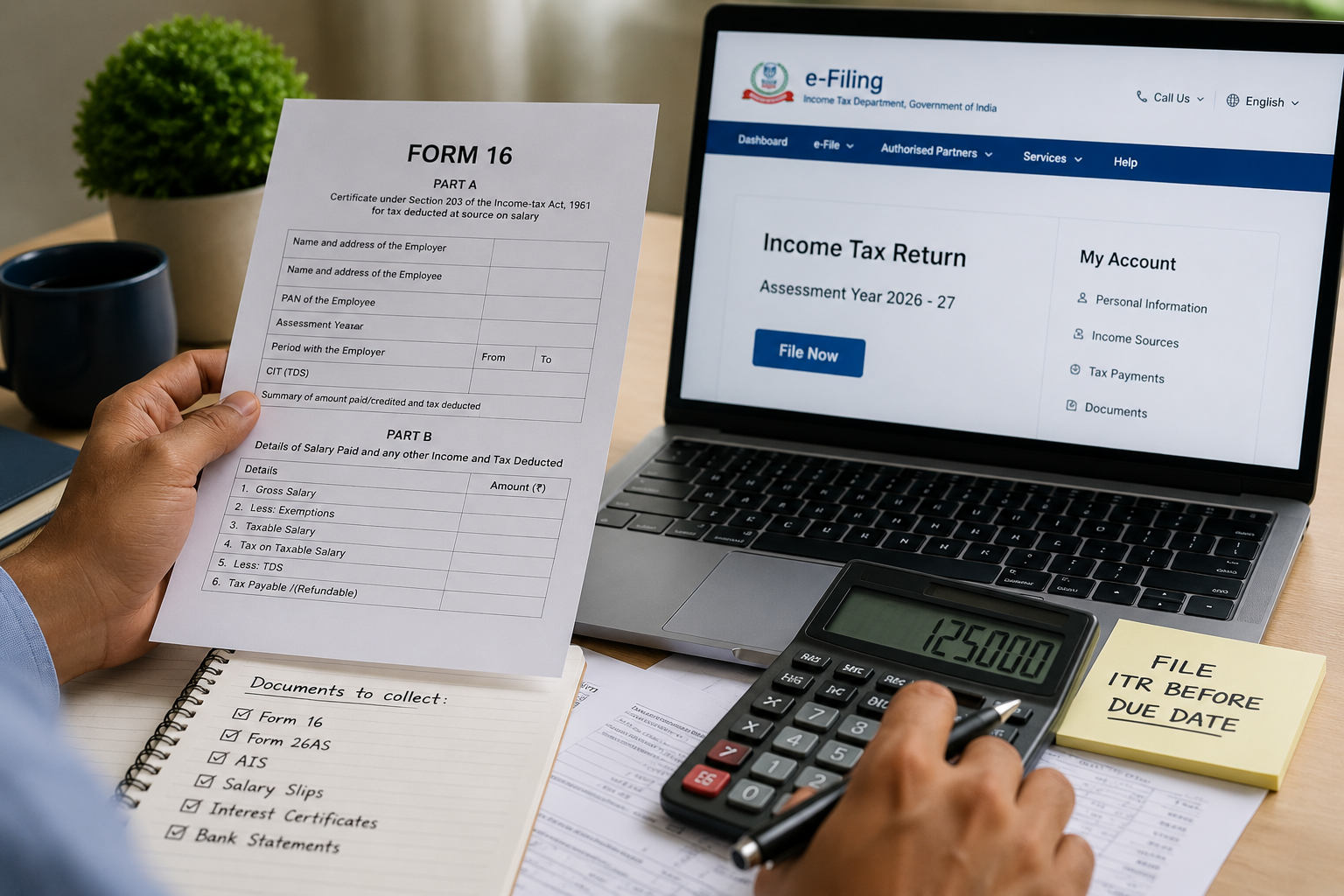
With ITR Filing Season in progress for Assessment Year 2026-27, taxpayers are being suggested by various tax experts to collect all relevant documents before starting with their tax filing process. Among such documents, Form 16 continues to be one of the significant documents for salaried employees, as it contains details regarding salary income along with TDS.
Tax consultants further point out that although Form 16 makes the process of filling returns easy, but it is not necessary to possess it in order to file an income tax return.
As per Siddharth Deb, Tax Partner, EY India, individuals can still file their returns without getting Form 16 in hand, with just careful verification of their income and tax.
"While the employer is required to issue Form 16 where salary TDS has been deducted, a taxpayer may still file the return without it, provided the salary and tax details are carefully reconciled using alternate records such as Form 26AS, AIS and salary documents," Deb told TOI.
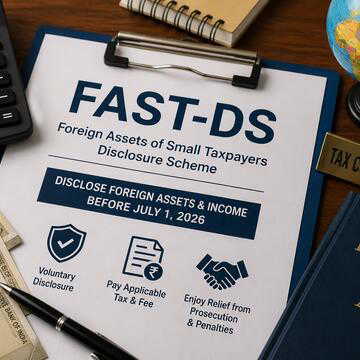
Also Read | Foreign Disclosure Scheme 2026 explained: Who can apply and what it offers
Why Form 16 matters for salaried taxpayers
Form 16 serves as a certificate issued by employers showing salary paid during the financial year and the tax deducted and deposited with the government on behalf of the employee.
The document consists of two sections:
Part A: Contains PAN, TAN, employer details and TDS information.
Part B: Includes salary breakup, exemptions claimed, deductions and tax calculations.
For many salaried individuals, Form 16 acts as a ready reference while filing returns and helps reduce the chances of discrepancies.
What if your employer has not issued form 16?
Under income tax rules, employers who have deducted tax from salary are required to issue Form 16 by the prescribed deadline. For FY 2025-26, the due date is June 15, 2026.
According to Deb, employers who fail to issue Form 16 on time may face a penalty of Rs 500 per day of default.
Taxpayers who have not received the document need not delay their return filing. Experts recommend using the following records:
Monthly salary slips
Bank statements reflecting salary credits
Form 26AS
Annual Information Statement (AIS)
These documents can help taxpayers calculate salary income and verify tax credits before submitting their returns.
Verify tax credits before filing
Experts advise that the taxpayer must make sure that the amount of tax that has been deducted by his/her employer is accurately shown in Form 26AS and AIS.
In case there are discrepancies in the TDS information provided, then one should get in touch with the HR department of the employer right away to rectify the matter. Not doing so may lead to problems in future.
Also Read | Technical issue: Kannur-Jeddah Air India Express flight turns back with 180 passengers onboard
However, it needs to be noted that people who have had multiple jobs in the same fiscal year need to include all the salaries obtained for that period while filing their tax returns.
While tax experts keep on giving advice regarding tax filing, at this stage, they suggest that individuals cross-check information in Form 16, Form 26AS, AIS, interest certificates etc.
FAQs
Is Form 16 necessary for filing Income Tax Return?
No, Form 16 is not mandatory for filing of Income Tax Return. One may use salary slips, Form 26AS, AIS and bank statements etc. to file the ITR.
What should I do if my employer has not issued Form 16?
You should first follow up with your employer or HR department. Meanwhile, you can prepare your return using salary records, Form 26AS, AIS and bank statements to ensure timely filing.