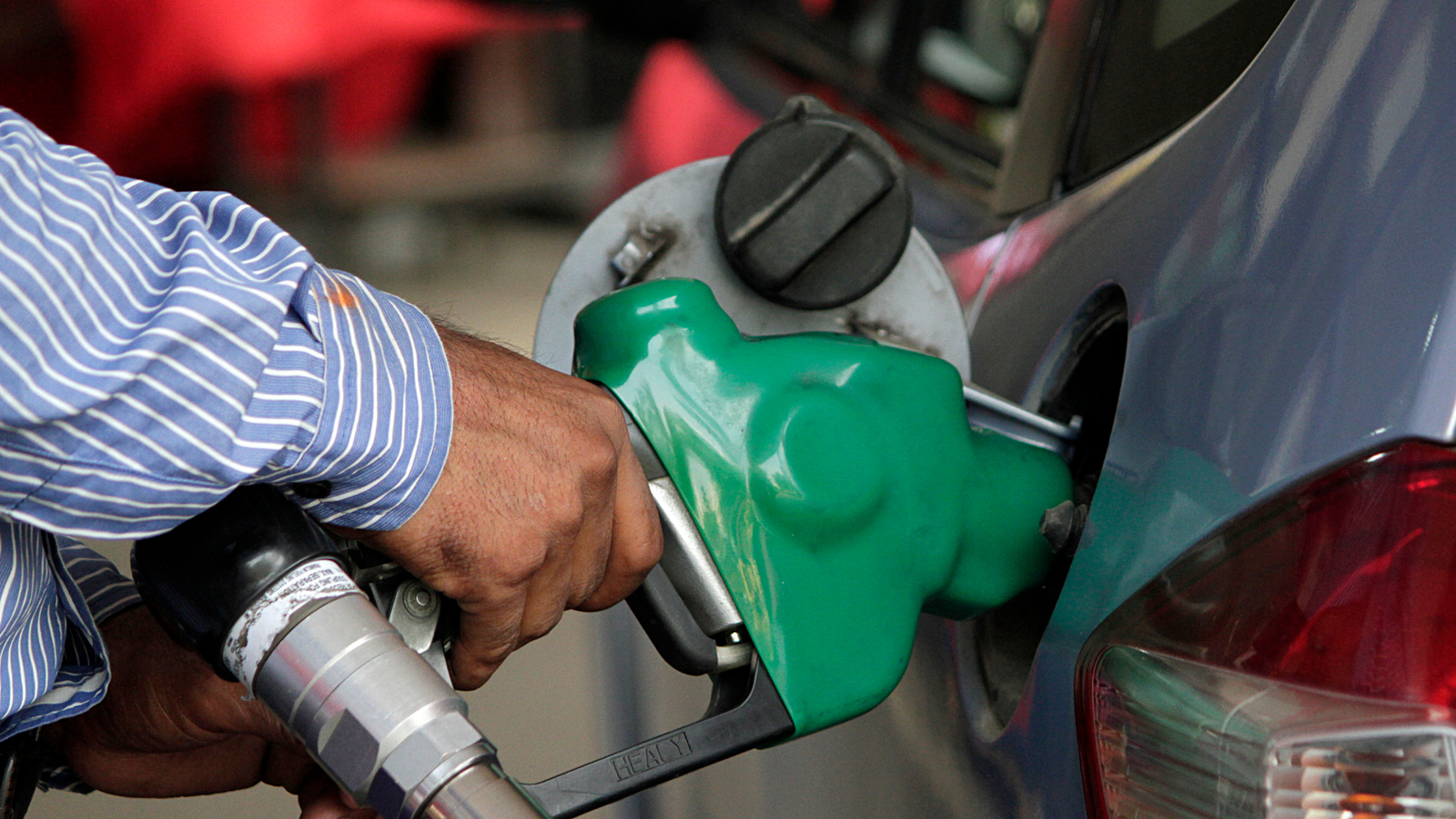
The Centre has proposed bringing higher ethanol-blended fuels such as E85 and E100 into the formal regulatory framework through amendments to the Central Motor Vehicles Rules, 1989. The draft notification issued by the Ministry of Road Transport and Highways outlines provisions to support vehicles running on these fuels, signalling a push towards alternative energy sources.
E85 refers to a blend containing 85 per cent ethanol and petrol, while E100 enables vehicles to run on nearly pure ethanol. The move is part of a broader strategy to reduce reliance on imported fossil fuels.
Also Read | Air India, IndiGo, SpiceJet sound alarm over rising fuel costs, seek govt support
Updates in fuel classification and norms
The proposal also includes changes in fuel classification terminology to reflect evolving technologies. For hydrogen-powered vehicles, the terminology will shift from "Hydrogen+CN" to "Hydrogen+CNG".
Petrol classifications will move from [(E10)/(E)] to [(E10)/(E20)], aligning with the nationwide rollout of E20 fuel.
Additionally, the draft introduces explicit categories for higher blends such as E85 and E100. Biodiesel classifications will also be revised from B10 to B100, indicating a move towards greater blending levels. The government has opened the draft for public feedback before taking a final decision.
Understanding E100 fuel
E100 is a high-ethanol blend consisting of roughly 95 per cent to 100 per cent ethanol. In India, the version marketed as "Ethanol 100" by Indian Oil Corporation contains about 93–93.5 per cent ethanol, along with small quantities of petrol and co-solvents to ensure safety and engine compatibility.
India first introduced E100 fuel in 2024, with initial availability across 183 retail outlets in multiple states including Maharashtra, Karnataka, Uttar Pradesh, Delhi and Tamil Nadu.
Push driven by energy security goals
The government's focus on ethanol blending is tied to reducing crude oil dependence. Road Transport and Highways Minister Nitin Gadkari has emphasised that scaling up ethanol use can significantly cut import bills.
India currently imports nearly 87 per cent of its crude oil, resulting in an annual outflow of about Rs 22 lakh crore. Expanding ethanol use is expected to help reduce this burden and cushion the economy from global supply disruptions.
Industry readiness and global context
India achieved 20 per cent ethanol blending (E20) nationwide on April 1, 2026, and is now focusing on flex-fuel vehicles capable of running on higher blends. Upcoming Corporate Average Fuel Efficiency (CAFE) III norms, effective April 2027, are expected to further support this transition.
Also Read | Aadhaar enters Google Wallet: What does it mean for your digital identity future
Globally, countries such as Brazil have already adopted E100 at scale, while others like Sweden use E85 blends. Most European nations continue with lower ethanol mixes.
The transition will require changes in engine design, as higher ethanol content can be more corrosive. However, over time, the shift is expected to improve efficiency and reduce fuel costs through greater reliance on domestically produced energy.