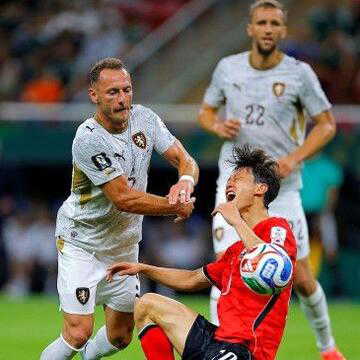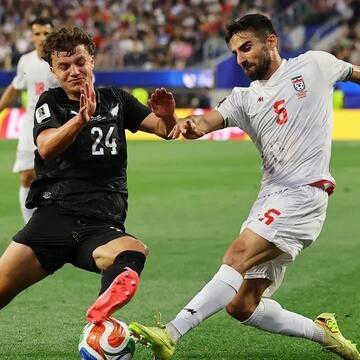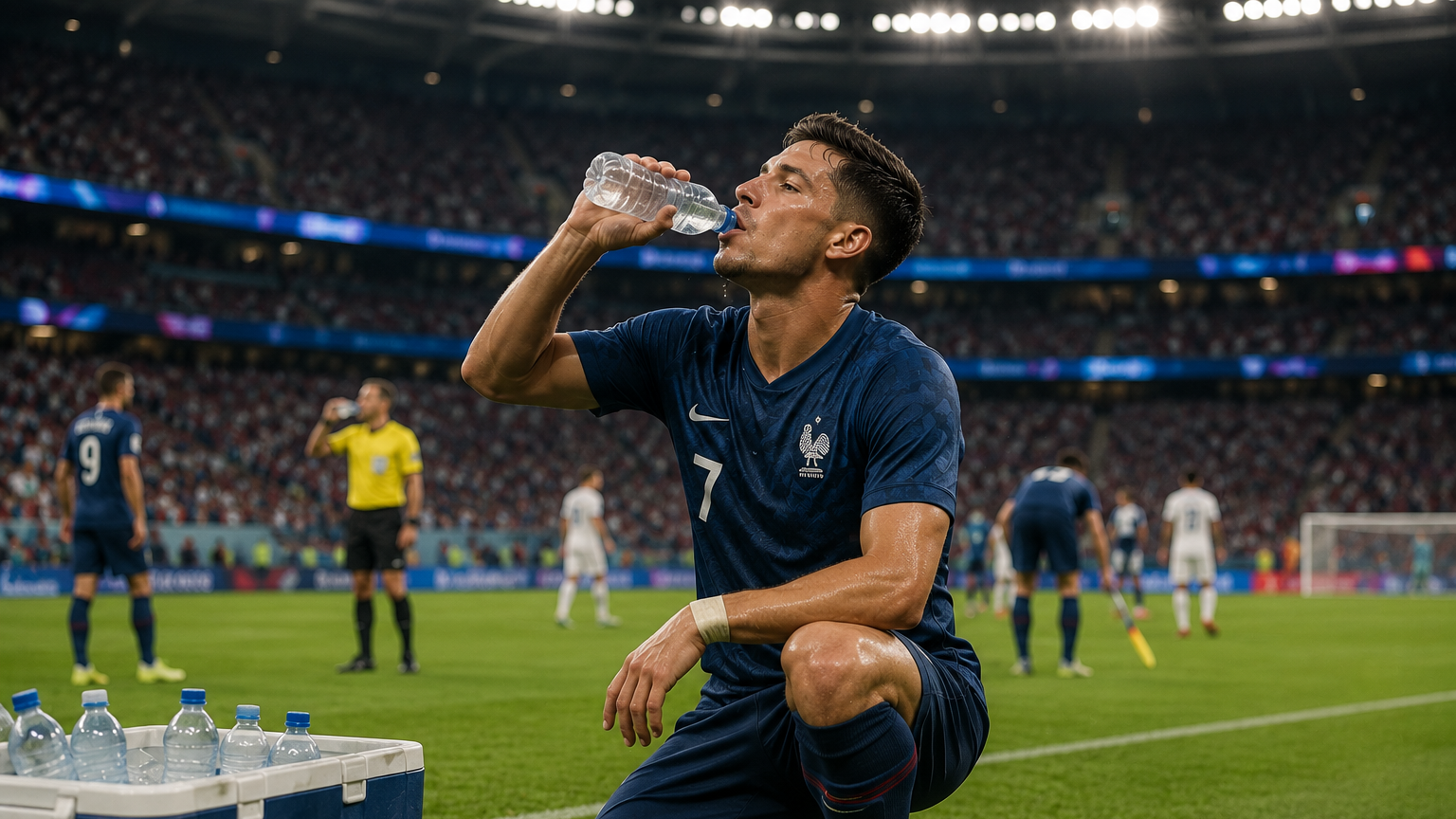
FIFA’s newly introduced hydration-break rule at the 2026 FIFA World Cup has sparked criticism from fans and football experts, with many claiming the stoppages are disrupting the flow of matches and affecting the sport’s natural rhythm.
The rule allows referees to halt play around the midway point of each half when temperatures are deemed high enough to pose a risk to players. The decision was taken to protect footballers competing in the summer heat across the United States, Canada and Mexico, the three host nations of the tournament.
Critics are unhappy with frequent stoppages
While FIFA has defended the move as a necessary health measure, critics argue that the breaks interrupt the fast-paced nature of football. Fans on social media have complained that the pauses reduce the intensity of matches and make games feel fragmented.
Several pundits have also questioned whether the stoppages provide an unfair tactical advantage. Coaches can use the breaks to reorganise their teams, discuss strategy and make adjustments that could influence the outcome of a match.
🚨 FIFA under fire for strict World Cup rules
— Micky Jnr (@MickyJnr__) June 15, 2026
FIFA is being accused of going too far with its branding and commercial restrictions at the 2026 World Cup.
Reports say even basic items in the media area including spices were completely covered with tape. 😳
Critics are calling… pic.twitter.com/k2xQW65i5e
Some observers pointed to recent World Cup games where momentum appeared to change immediately after a hydration break, strengthening the argument that the rule is impacting the competitive balance of contests.
Player safety remains FIFA’s priority
Despite the backlash, FIFA remains firm in its stance. The governing body believes player welfare must come first, particularly with several World Cup venues experiencing high temperatures during the tournament.
Also Read । WATCH । Czechia’s World Cup return takes bizarre turn after team bus gets stuck
Medical experts have largely supported the decision, warning that prolonged physical exertion in extreme heat can increase the risk of dehydration, exhaustion and other heat-related illnesses. According to health specialists, short breaks for water and recovery can help players maintain performance levels while reducing potential dangers.
Supporters of the rule argue that protecting athletes is more important than preserving uninterrupted play, especially in a tournament as demanding as the World Cup.
The debate has quickly become one of the major talking points of the 2026 World Cup, with opinions sharply divided. While critics insist the breaks are harming the spectacle, FIFA maintains that ensuring player safety is a responsibility that cannot be ignored.