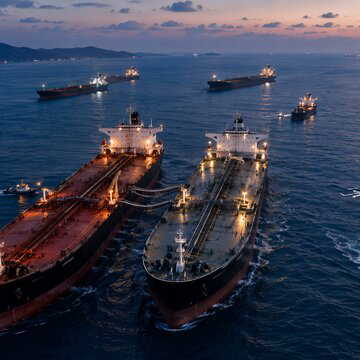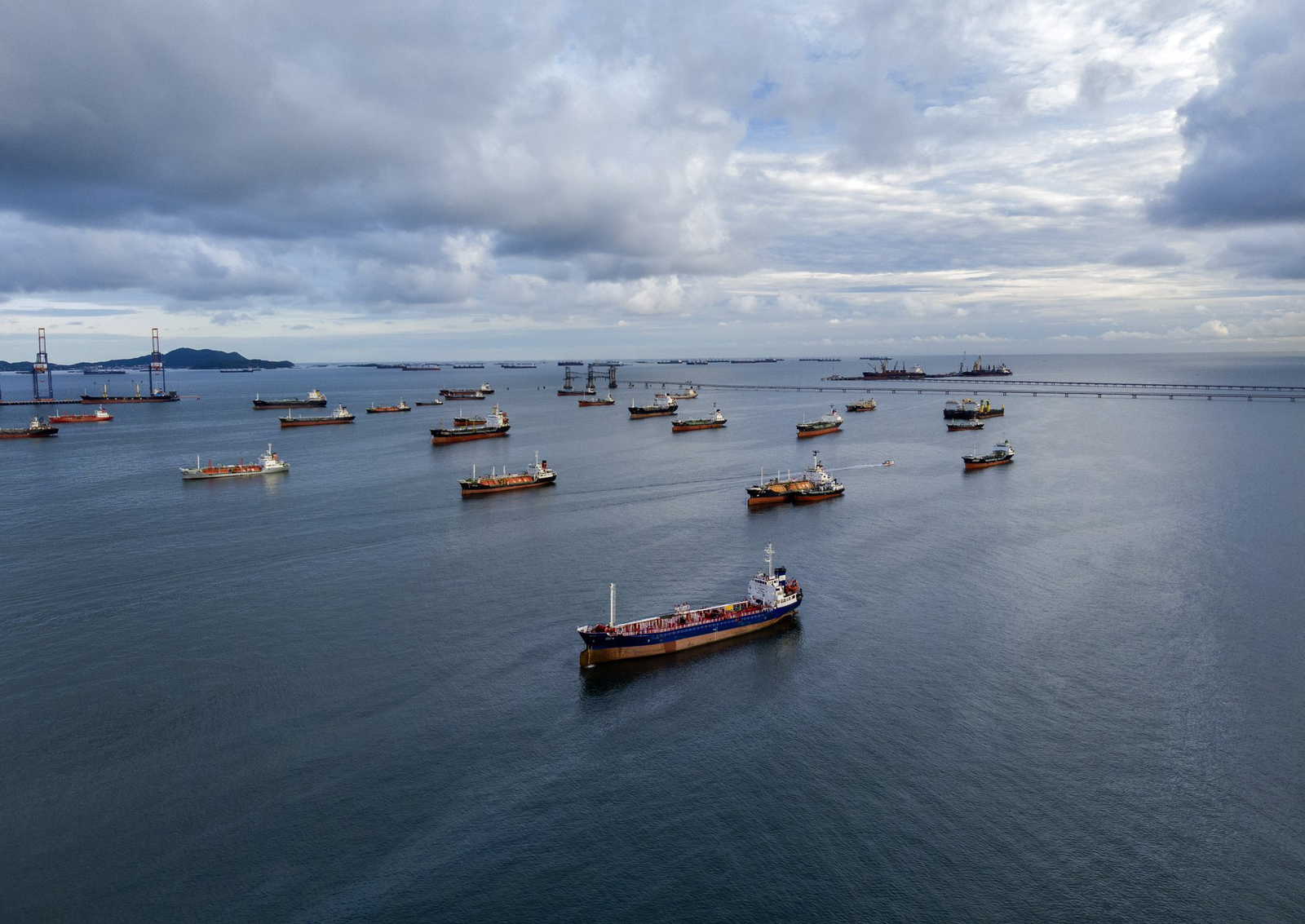
Around 500 commercial vessels remain caught in the fallout of the Strait of Hormuz disruption, while millions of barrels of liquid cargo and more than 2 million tonnes of fertilisers are still stuck in the Middle East Gulf region.
While tanker movements may resume quickly if the waterway reopens, analysts say the wider trade recovery could stretch for months, according to reports citing Rubix Data Sciences.
Also Read | Everest's ‘Green Boots’ may finally return home as ITBP plans recovery mission after 30 years
🚢Hormuz "reopened"
— Jack Prandelli (@jackprandelli) June 15, 2026
🚨Here's what the data actually shows.
Between June 10-14, MarineTraffic recorded just 29 vessel crossings through the strait.
Before the conflict: 150 transits per day.
That's not a reopening, that's a trickle.
It gets worse:
→ 23 ships went west to… pic.twitter.com/hwpwGvX0VW
No easy passage for stranded freight
About 130 million to 150 million barrels of liquid supplies are loaded on tankers inside the Middle East Gulf, and around 35 to 45 vessels carrying more than 2 million tonnes of fertilisers remain stranded there.
Nikhil Dubey, senior refining analyst at Kpler, said, “We are currently tracking approximately 130-150 million barrels of liquids loaded in the Middle East Gulf. Based on current loading levels, it could take roughly 7-10 days for these volumes to exit the region, although the timeline will ultimately depend on vessel traffic conditions and the pace at which tanker movements normalise.”
Trade's narrow neck feels the strain
Rubix Data Sciences estimated that about 500 commercial vessels were backed up in and around the Strait during the crisis, while daily vessel transit fell from a normal 125-135 ships per day to fewer than 10.
Normal traffic through the waterway typically includes 54-60 oil, chemical and LPG tankers a day, along with nearly six LNG carriers. The strait accounts for nearly 20% of global LNG trade and about one-fifth of global oil consumption.
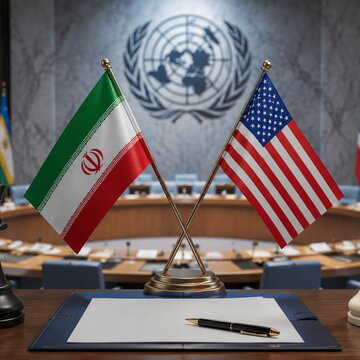
.@vali_nasr, professor at the Johns Hopkins University School of advanced International Studies says that the status quo has "fundamentally changed" as the Strait of Hormuz is set to re-open following the U.S.-Iran ceasefire deal.
— Washington Journal (@cspanwj) June 17, 2026
"Iran now says - and this is where it's… pic.twitter.com/Z22zARfXeO
Recovery, alas, is no swift affair
Industry executives warned that reopening the route would only begin a longer recovery process.
Jagannarayan Padmanabhan, senior director and global head-consulting at Crisil Intelligence, said, “Recovery would probably unfold in phases. Physical reopening and backlog clearance could take 2-4 weeks; schedule normalisation may require 2-4 months, while broader supply-chain and commercial stabilisation could take four to six months or more.”
He added that freight rates typically take three to six months to normalise, while war-risk premiums generally require one to two quarters of stability before returning to pre-disruption levels.
A once-busy corridor falls quiet
The average daily ship traffic in the strait fell by more than 90% after the conflict began, with some days seeing only a single ship pass through.
Some five commercial vessels transited the strait on June 10, five on June 11, seven on June 12, one on June 13 and five on June 14, based on Kpler data.
The report also said 500 commercial vessels were waiting in the Gulf to transit the strait. These passages were expected to reach 50% of pre-war levels within 30 days.
Calm seas remain some way off
Dimitris Ampatzidis, maritime risk and compliance manager at Kpler, said the waiting ships to leave the region, complete their voyages and return to pick up new cargo would take around two to three months, while a return to pre-war production and export in some parts of the Middle East could take longer depending on country-specific conditions.
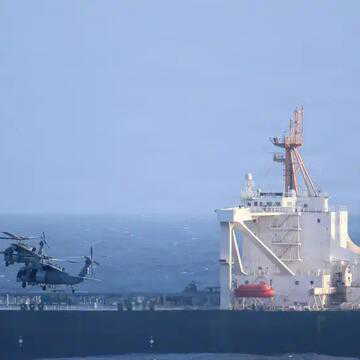
Tanker traffic would not return to normal immediately even if the strait reopened. The reports also flagged safety concerns linked to mines in the region, with BIMCO describing the security situation as risky.
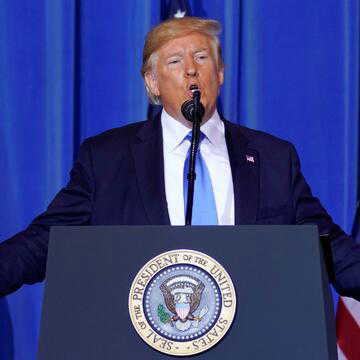
The US president had indicated the strait would be fully opened following the agreement, but industry representatives still described the process as fragile, with shippers expected to move cautiously as traffic gradually returns.
Also Read | Trump warns Iran: 'If they don't behave' US could be 'dropping bombs' again
FAQs
Q1: Why is the Strait of Hormuz important to global trade?
Ans: The Strait of Hormuz is a critical shipping route that carries a significant share of the world's oil, LNG and other cargo exports.
Q2: How long will it take shipping traffic to recover in the Strait of Hormuz?
Ans: Industry experts estimate that shipping schedules and supply chains could take several months to fully return to normal.