Extreme summer heat is no longer just about scorching afternoons. Across India, experts say rising night-time temperatures are emerging as a serious public health concern, especially during prolonged heatwaves.
Per a report by News 18, doctors and climate researchers warn that hotter nights prevent the body from cooling down and recovering after daytime exposure, increasing the risk of heat stress, dehydration, sleep disruption and serious health complications.
Nights no longer offering relief
Traditionally, cooler nights helped the human body regulate temperature after long hours of daytime heat. But in many Indian cities, temperatures now remain unusually high even after midnight.
Also Read | Dengue spreading beyond monsoon months, experts raise concern
The World Health Organisation (WHO) has warned that prolonged exposure to high daytime and night-time temperatures can worsen cardiovascular, respiratory, renal and metabolic diseases.
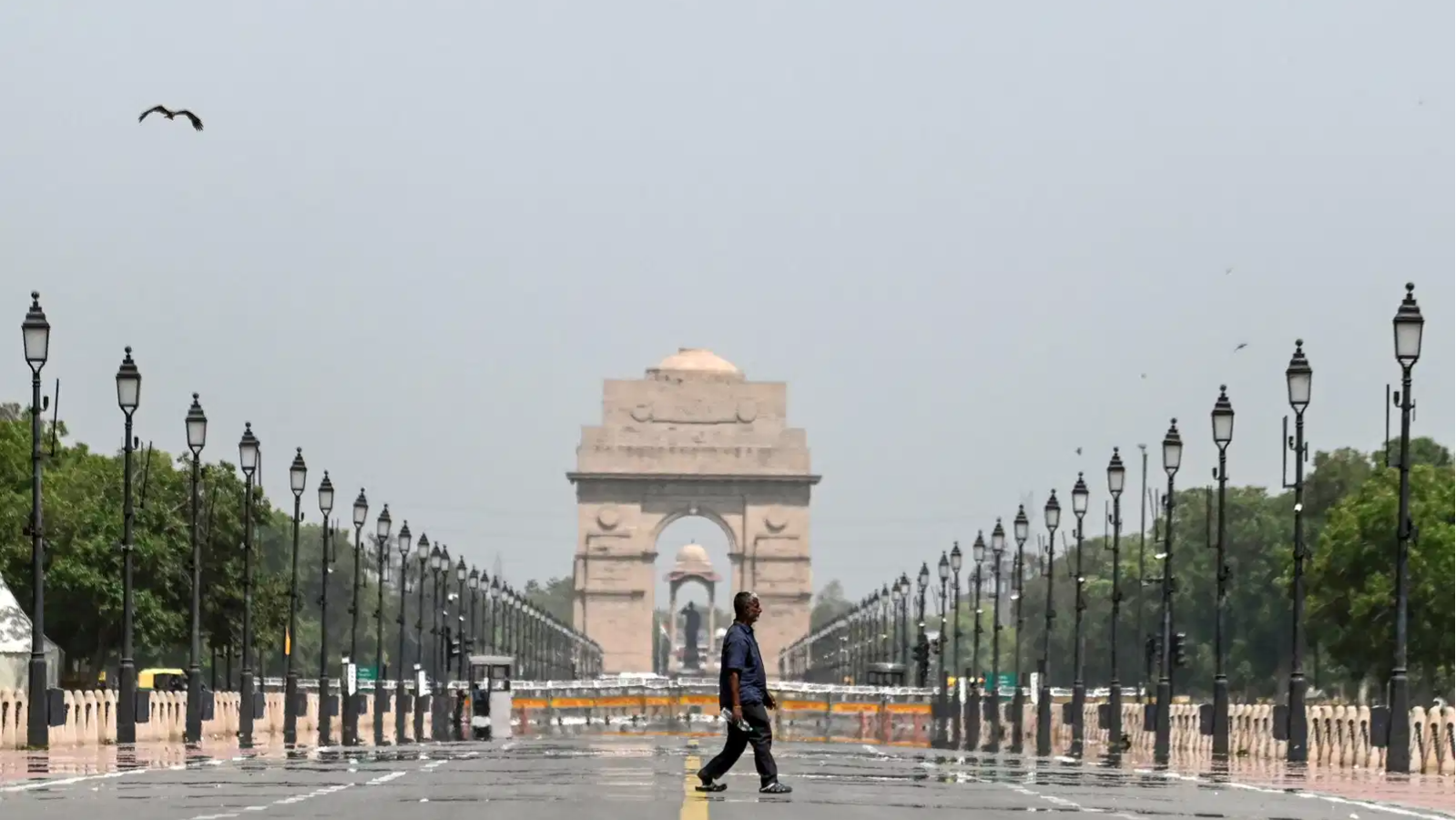 Mirage seen at Kartavya Path on a hot summer day. File image/ANI
 Health experts explain that warm nights interfere with the body’s natural cooling process. Normally, body temperature drops during sleep, helping vital organs recover. However, when temperatures and humidity remain high overnight, sweating becomes less effective and internal heat stress continues.
Several studies have also linked unusually warm nights to higher mortality risks, particularly from strokes and heart-related illnesses.
Urban heat making the problem worse
Indian cities are considered especially vulnerable because of the “urban heat island” effect. Concrete structures, overcrowding, limited green spaces and poor ventilation trap heat long after sunset.
Also Read | Mercury at 48C: THIS district in India empties streets by 10 am
A recent Climate Trends study in Chennai found that indoor temperatures in several homes stayed above 31 degrees throughout the night, while humidity levels crossed 75 per cent. In some cases, indoor heat was reportedly highest during late evening hours instead of daytime.
Researchers also warn that humid heatwaves are becoming more dangerous than dry heatwaves because they make it harder for the body to cool itself naturally.
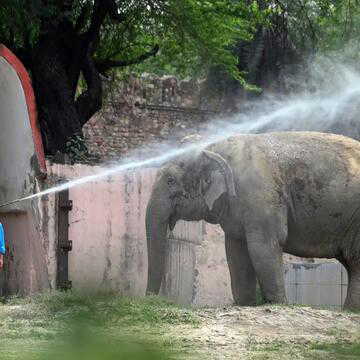
 Severe heatwave grips Raipur as temperatures soar above 43C; residents struggle under scorching heat. File image/ANI
 Vulnerable groups at higher risk
Doctors say elderly people, children, pregnant women, outdoor workers and individuals with conditions such as diabetes, heart disease or respiratory illnesses face the greatest risks during periods of intense heat.
Experts also point to the impact on sleep and mental health. Poor sleep caused by hot nights can weaken immunity, increase fatigue, reduce concentration and worsen stress levels over time.
Steps experts recommend
Despite growing concerns, most heat action plans in India continue to focus mainly on daytime temperatures.
Also Read | Delhi braces for extreme heat, temperature likely to touch 46C this week
Experts say monitoring night-time heat, indoor temperatures and humidity levels will become increasingly important in the future.
Doctors recommend staying hydrated through the evening, improving ventilation at home, using light clothing and avoiding heavy meals before bedtime. They also advise people not to ignore symptoms such as dizziness, nausea, headaches, confusion or persistent fatigue during extreme heat conditions.