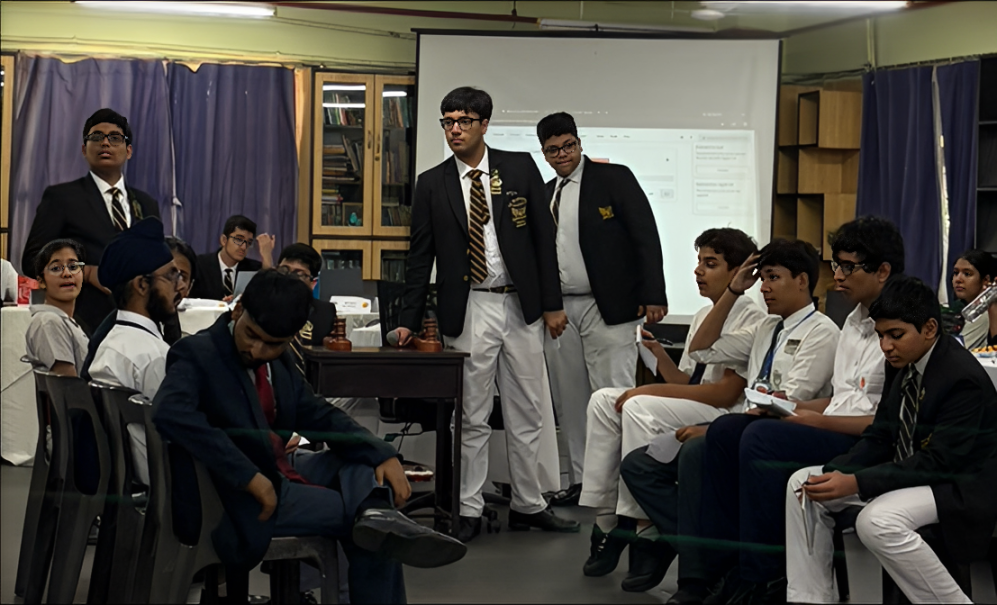
Debates, intense lobbying and last-minute negotiations reverberated in the halls of La Martiniere as LMCMUN 2026 took place. Conducted at La Martiniere for Boys and La Martiniere for Girls, the conference saw students participating as delegates over three days, navigating wars, political deadlocks and global emergencies through committees designed to test both intellect and composure.
However, this year’s conference was not just another run-of-the-mill Model UN debate. Instead of debating on policy resolutions, delegates had to handle scenarios involving collapsing governments, biochemical crises, hostage situations, and even futuristic interplanetary conflicts. The conference schedule featured multiple historic and futuristic committees running simultaneously across both campuses. News Ei Samay was the official media partner of the event.
A conference built on unpredictability
The initial press release for LMCMUN 2026 characterised the conference using three words, which were diplomacy, drama, and delegates.
Also Read | Waiting for JEE Advanced 2026 results? Here’s when scores will be out
In the United Nations Historic General Assembly (DISEC), delegates revisited the Korean War through a crisis-based format that constantly altered the direction of debate. Executive Board members introduced sudden developments including cyclonic disasters, nationwide blackouts and allegations surrounding biochemical warfare.
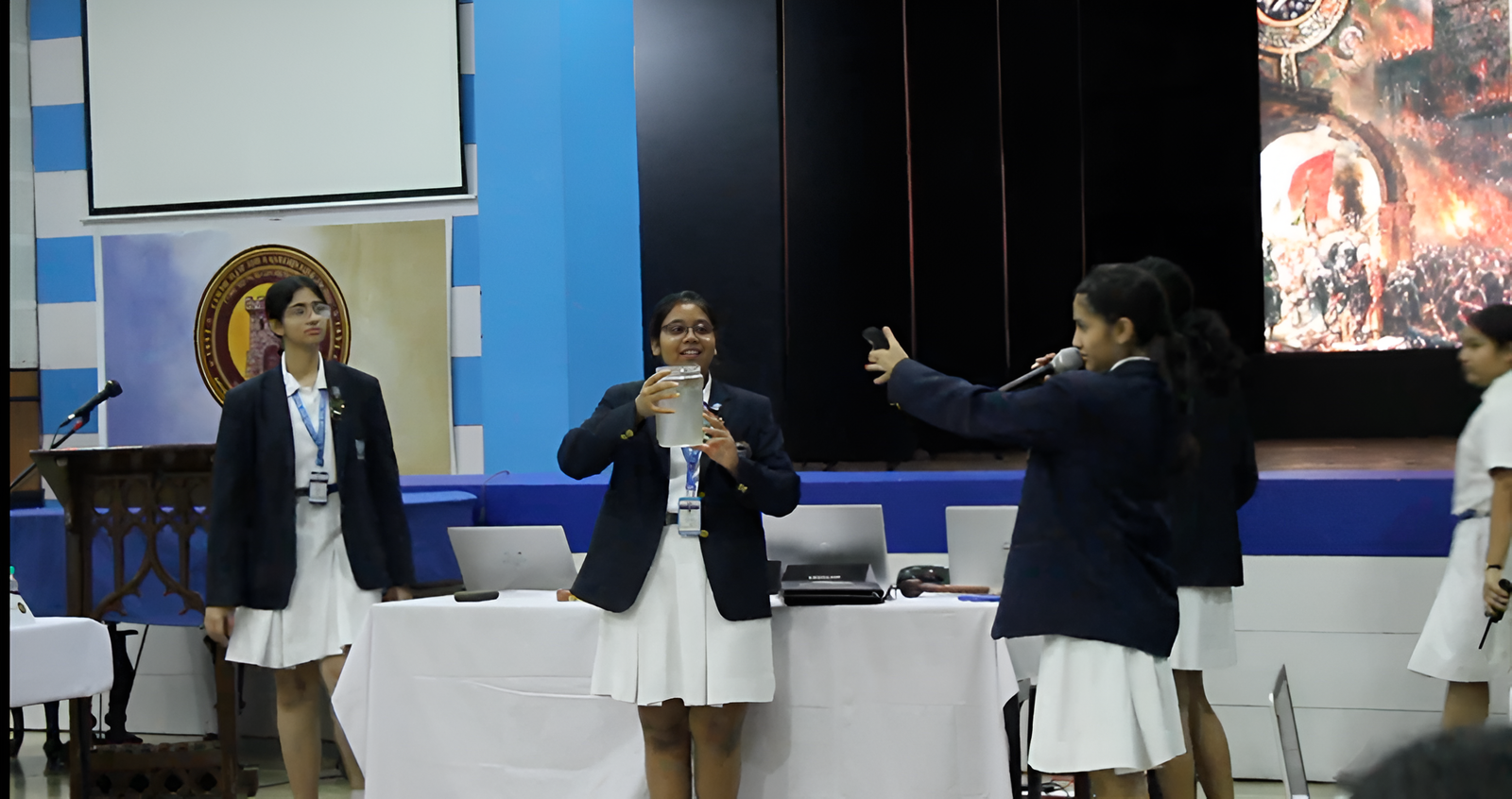 Tensions rise inside LMCMUN 2026 as delegates navigate crisis, conflict and diplomacy File Photo
 The committee’s discussions quickly escalated into ideological confrontation. Delegates debated the legality of military intervention, sovereignty and humanitarian aid while attempting to navigate the rapidly shifting geopolitical landscape. One update involving a mysterious biochemical weapon called “Absolute Sulphur” transformed the committee into a tense investigation-driven crisis session.
Chairpersons Tavishi and Saanvi had earlier explained that the Korean War was selected specifically because of its unpredictability and its ability to demonstrate how regional conflicts could evolve into global crises.
From World War simulations to Mars diplomacy
The United Nations General Assembly SPECPOL committee emerged as one of the most dramatic rooms of the conference. Delegates entered a simulation based around the Yom Kippur War, but the committee soon evolved into a full-scale war cabinet exercise involving alliances, invasions and geopolitical bargaining.
At one point, delegates physically mapped military strategies using models representing artillery, soldiers and naval forces, while the Executive Board informed them they were “officially in World War III.”
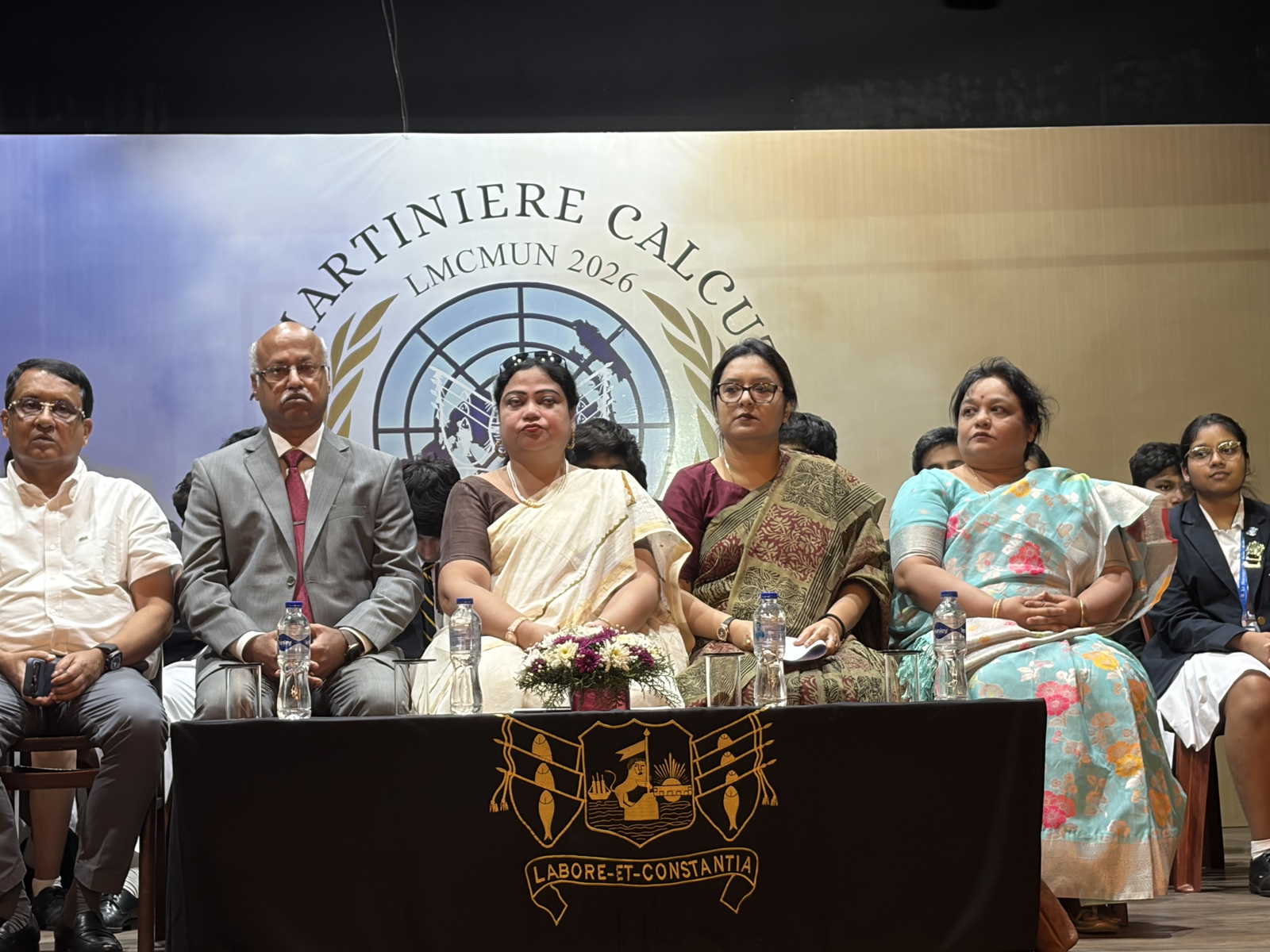 Three days. Endless debates File Image
 Meanwhile, the United Nations Futuristic Security Council took delegates 100 years into the future, placing them in a politically fractured Mars where nations battled for influence and territory.
The committee featured exploding Martian terrain, mysterious alien groups called the Fremen and artificial intelligence systems influencing diplomacy. Delegates representing global powers were forced to balance warfare, technological ethics and interplanetary governance while dealing with constant surprise updates from the Executive Board.
One of the most talked-about moments came when the committee suddenly transformed into a simulation involving Greek gods and Titans before later revealing the entire sequence to be a “dream” orchestrated within the crisis storyline.
Diplomacy beyond textbooks
However, beyond the dramatic elements and crisis simulations, there were also attempts to encourage the students to think critically about international relations at LMCMUN 2026.
In the introductory press release of the conference, Secretary-General Himanshi emphasised that although world peace may be out of reach, diplomacy and dialogue have a better track record of creating future realities than war ever will. Deputy Secretary-General Tavishi similarly stressed that MUN conferences help young people understand the complexity of global politics rather than reducing issues into simplistic binaries.
That philosophy was visible across committees where delegates kept switching from legal discussions to humanitarian debates and strategic alliances. The open floor debates became quite chaotic at times, but they did mirror the reality of the diplomatic environment.
Also Read | NTA to close UGC NET June 2026 registration on May 20: Here's the direct link to apply online
Among those committees, there was a Council of Eastern Kingdoms committee where delegates debated political problems around Constantinople, trade routes, and religious disputes. In addition, there were also historical committees such as the Congress of Vienna.
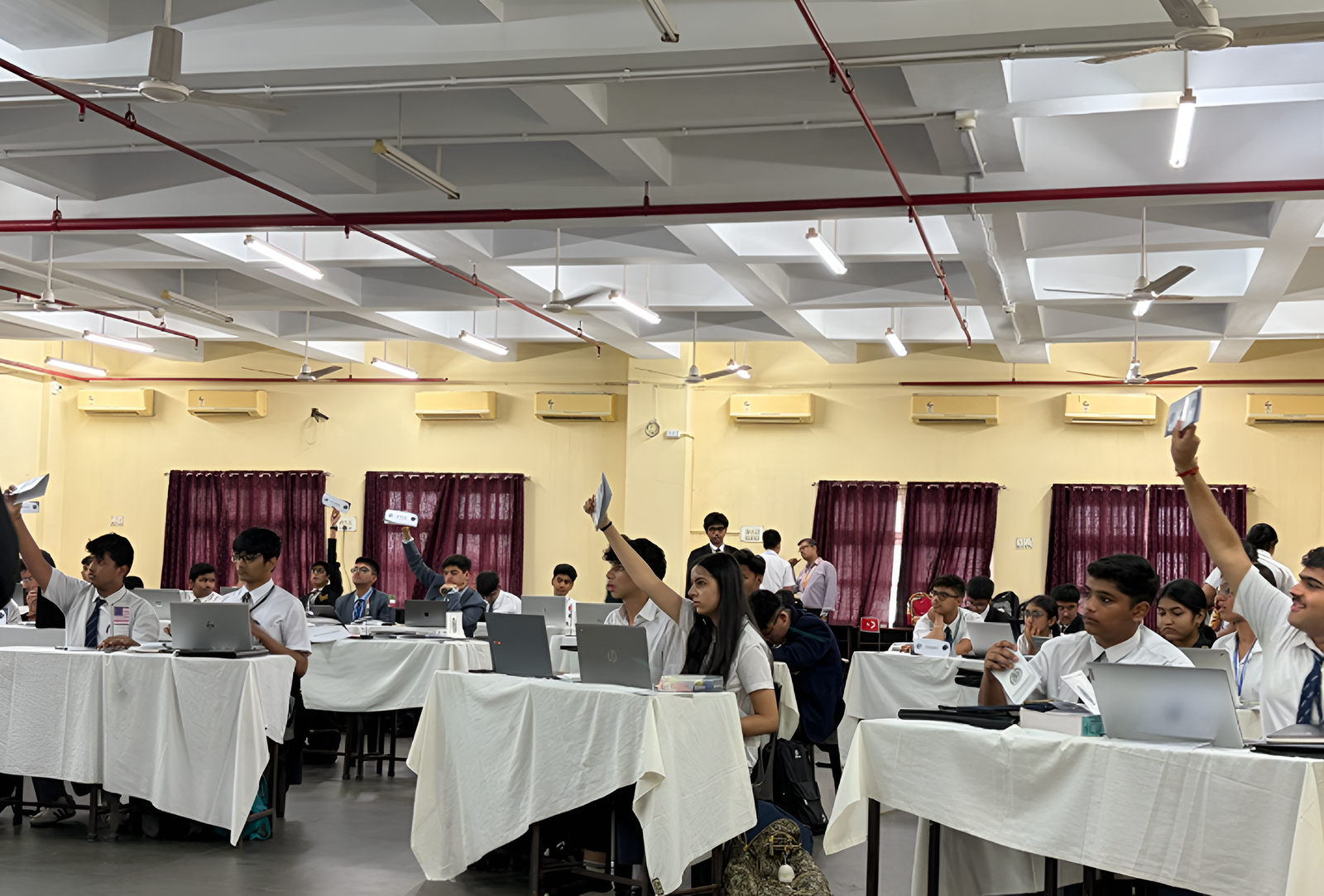 Diplomacy, drama and delegates File Photo
 Day Three of LMCMUN 2026 shifted focus from escalating crises to the consequences that followed. Delegates across committees debated peace settlements, reconstruction strategies, political accountability and future governance after two days of wars, assassinations, conspiracies and diplomatic breakdowns.
Final press conferences and negotiations saw participants defending controversial decisions, justifying alliances and addressing the humanitarian impact of their actions. The conference eventually concluded with a closing ceremony recognising outstanding delegates, journalists and committees, bringing an end to three days of high-pressure diplomacy, crisis simulation and strategic debate.
A generation learning diplomacy in real time
As LMCMUN 2026 concluded its sessions, one thing that was clear was the focus on experiential learning at the conference. The delegates were not just expected to speak, but they were also expected to negotiate, improvise, and react to situations in high-pressure environments.
Also Read | Indian Army TES-56 recruitment begins through JEE Main: Here’s what candidates should know
The conference kept blurring the lines between academic simulation and storytelling, as it created committee rooms where diplomacy was intensely personal, competitive, and cooperative all at the same time.
For most participants, LMCMUN 2026 was not about winning resolutions, but it was about realising how easily political stability could be shattered when the crisis gets out of hand.
In that respect, LMCMUN 2026 succeeded in doing exactly what its organisers intended, turning committee rooms into living laboratories of global politics.