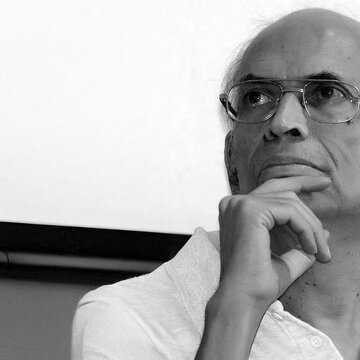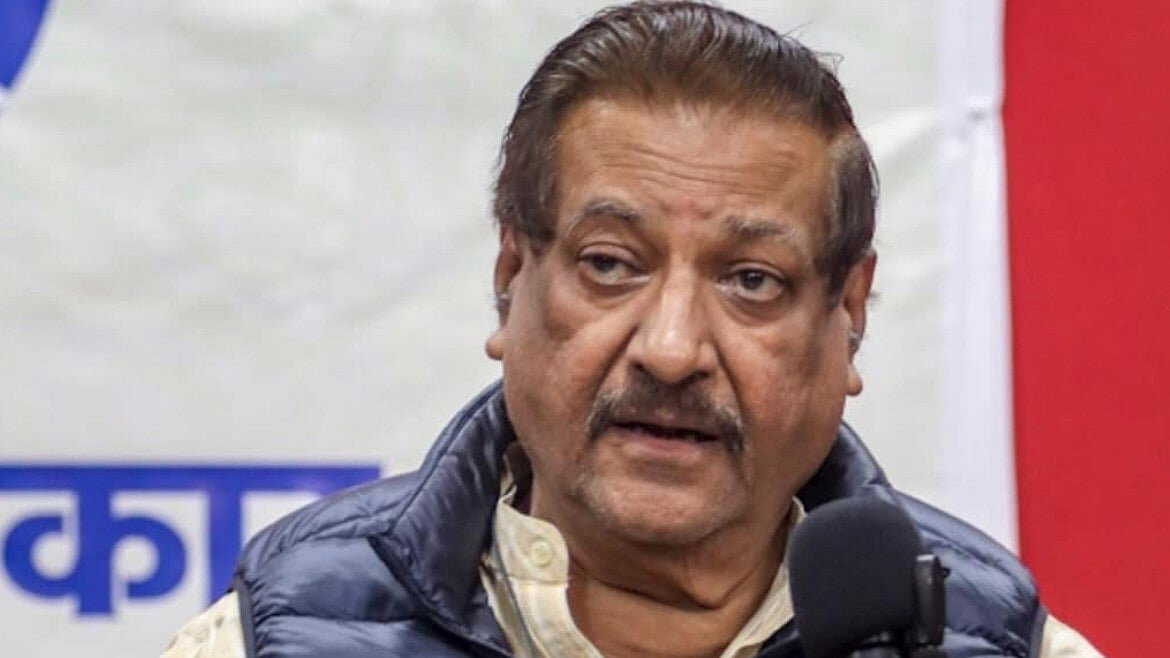
Congress leader Prithviraj Chavan sparked a major political controversy on Tuesday after questioning whether US President Donald Trump could do to India what he did to Venezuela. Speaking to the media, Chavan referred to Trump's warning of higher import duties if India does not cut oil purchases from Russia. He said heavy tariffs would make trade with the US difficult and hurt Indian exporters, forcing the country to look for new markets. He then asked whether actions like those taken against Venezuela could ever be repeated against India, including the safety of the Prime Minister.
What did Prithviraj Chavan say?
Chavan said that a 50 per cent tariff burden would effectively stop Indian exports to the US. He added that since direct sanctions are not being used, tariffs are now being deployed as a weapon. According to him, Indian businesses that earlier earned profits by exporting to the US are now suffering losses. He warned that such pressure could have wider implications and raised concerns by linking the situation to recent developments in Venezuela.
Also Read | BJP-Congress form alliance in Maharashtra local body to keep Shinde Sena at bay
BJP reacts strongly
The comments drew sharp reactions from the BJP. BJP leader Pradeep Bhandari accused Chavan of comparing India with Venezuela and said such remarks reflected an 'anti-India mindset.' Former Jammu and Kashmir DGP SP Vaid also criticised Chavan, saying some Congress leaders were making irresponsible statements out of frustration. He questioned how anyone could even suggest such a scenario for India and accused Chavan of targeting Prime Minister Narendra Modi out of political vengeance.
Also Read | Who is Aditya? Lalu Prasad Yadav's grandson to serve in Singaporean military
Congress keeps mouth shut
Neither Prithviraj Chavan nor the Congress party responded to the backlash. However, Chavan had earlier criticised India's initial silence on the US action in Venezuela, calling it a violation of the UN Charter. At that time, he had warned that forcibly removing an elected leader set a dangerous example and said such actions could, in theory, be repeated against other countries in the future.