




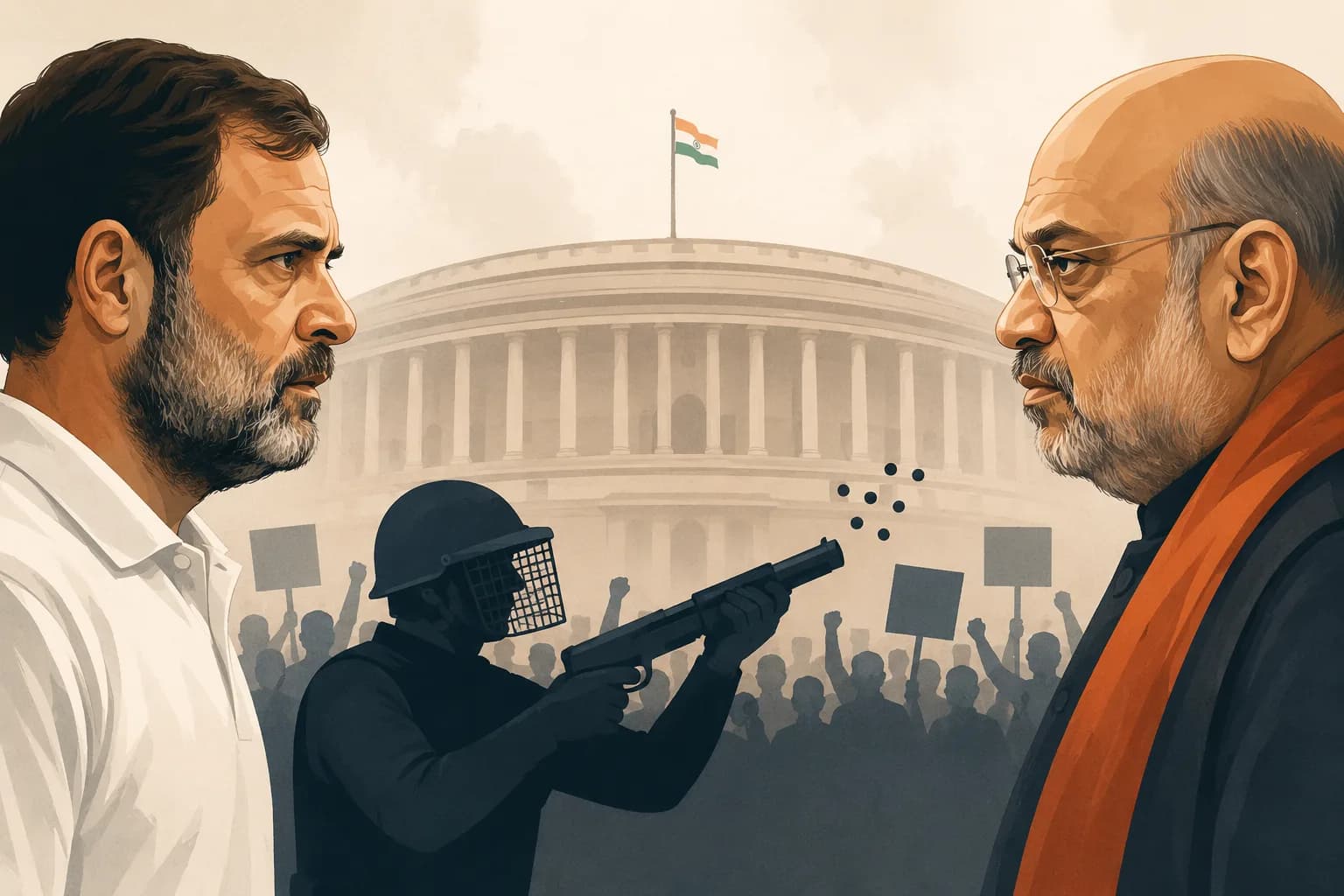















Rahul Gandhi escalated his attack on Union home minister Amit Shah, writing to him over the police action against student protesters and asking whether the home ministry had cleared the use of pellet guns.
The row comes as Parliament resumes its monsoon session, with the government set to push a bill that seeks stiffer punishment for paper leaks and other exam-related fraud.
Also Read | Kashmir’s Chinar Book Festival packs in readers, NBT chief hails ‘organic audience base’
"Amit Shah directly responsible for violence against students…": Rahul Gandhi slams Home Minister over alleged pellet gun usage in protest
— ANI Digital (@ani_digital) July 25, 2026
Read @ANI Story | https://t.co/jvibpPrC1m#amitshah #rahulgandhi #pellet #gun pic.twitter.com/IxjTN5dI6P
A question that refuses to be brushed aside
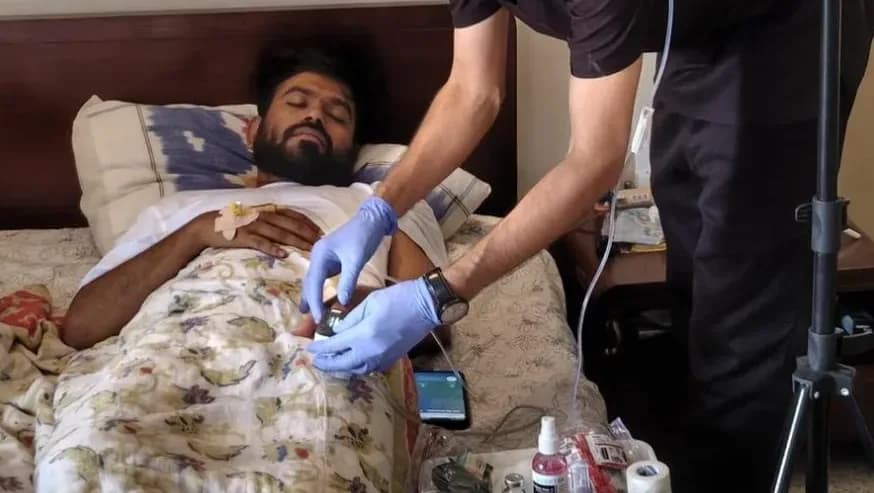
In his letter, the leader of the opposition (LoP) in the Lok Sabha asked Shah, “As home minister, did you approve the use of lethal force, including pellet guns, against students? If not, who did?” Gandhi said he had met 19-year-old student Sahil Lochab, whom he described as being in severe pain and at risk of losing an eye after being shot with pellet guns.
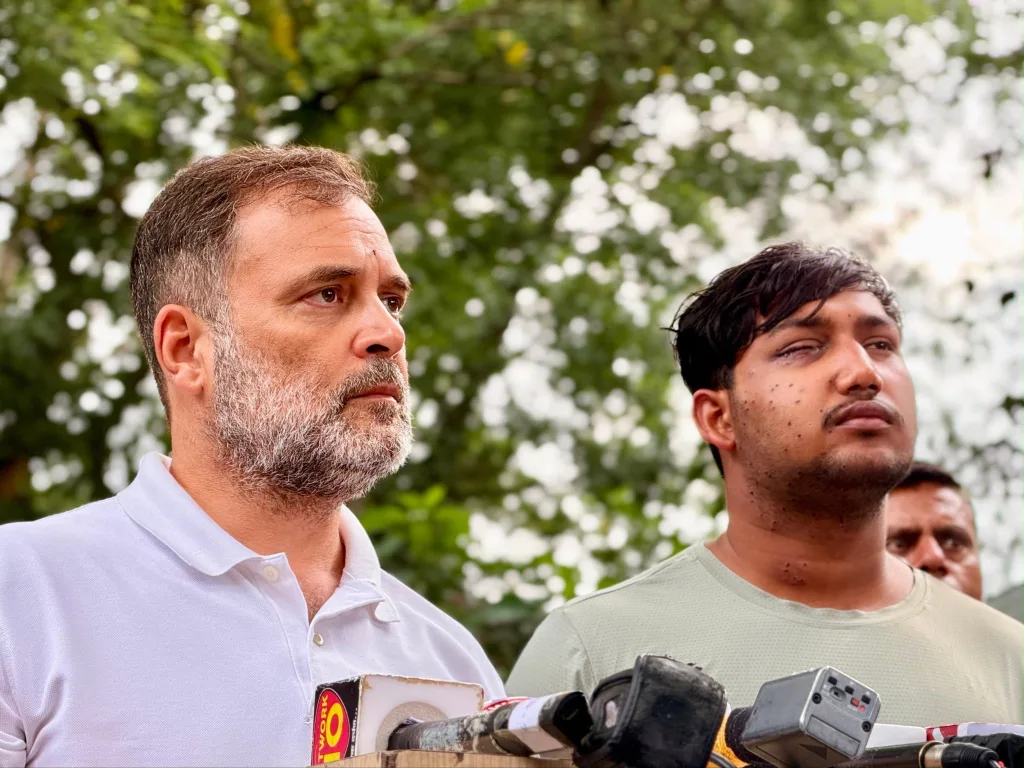
He also asked who authorized the deployment of plainclothes men seen beating students with lathis and whether they were police personnel or “volunteers.”
In Photos | Leader of the Opposition in Lok Sabha and Congress leader Rahul Gandhi met with Sahil, a student who was injured by police pellet gun during the student protest on July 20. @INCIndia | @RahulGandhi | #RahulGandhi | #Congress #Sahil | #StudentProtest | #Parliament |… pic.twitter.com/GNVlX8SteC
— United News of India (@uniindianews) July 24, 2026
The protest leaves more than raised voices
The letter follows allegations about police excesses during the July 20 protest near Jantar Mantar and Parliament, when student demonstrators were demanding action over paper leaks.
At least three protesters reportedly suffered pellet gun injuries, while Delhi Police denied that its personnel used pellet guns during the protest.
The Rapid Action Force (RAF), which was also deployed, possesses such weapons. Gandhi has argued that the violence “outrages the country” and said young people were demanding “answers and accountability.”
VIDEO | Delhi: Lok Sabha LoP and Congress MP Rahul Gandhi says, "We hold Amit Shah directly responsible for the violence that has taken place against our students. He authorised the use of lethal weapons and pellet guns on our students. So that, for us, is a fundamental issue. We… pic.twitter.com/1Jxv6FDiiw
— Press Trust of India (@PTI_News) July 25, 2026
Meanwhile, the law sharpens its teeth
On the government side, the center is preparing to table the Public Examinations (Prevention of Unfair Means) Amendment Bill, 2026, in the Lok Sabha on Monday.
The bill is meant to substantially raise penalties under the existing 2024 law; the minimum jail term for individuals would rise from three years to five, the maximum from five years to 10, and the maximum fine would increase to ₹50 lakh.
Service providers could face fines of up to ₹5 crore and blacklisting for up to eight years, while organized crime linked to paper leaks would attract a minimum seven-year term and a minimum fine of ₹10 crore.
The government has also announced a task force for exam reforms under Nandan Nilekani.
The House prepares for another bruising contest
The opposition is expected to push the issue hard in both houses. Trinamool Congress Rajya Sabha deputy leader Sagarika Ghose has moved a Rule 267 notice seeking suspension of business for a discussion on the alleged use of “lethal and semi-lethal force” against protesters.
The paper-leak bill, the student protest fallout, and the confrontation between Rahul Gandhi and Amit Shah are likely to keep the focus on the events that triggered the Parliament logjam as the session enters its next phase.
Also Read | How did India’s military strategy get revolutionized after the 1999 Kargil War? Here’s all you need to know
FAQs
Q1: Why did Rahul Gandhi write to Amit Shah?
Rahul Gandhi sought answers on the alleged use of pellet guns and force against student protesters during a demonstration over paper leaks in Delhi.
Q2: What is the Public Examinations (Prevention of Unfair Means) Amendment Bill, 2026?
The bill proposes stricter jail terms and higher fines to curb paper leaks and organised cheating in public examinations.
