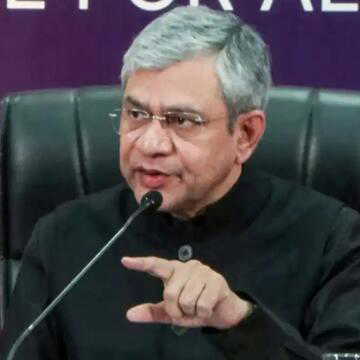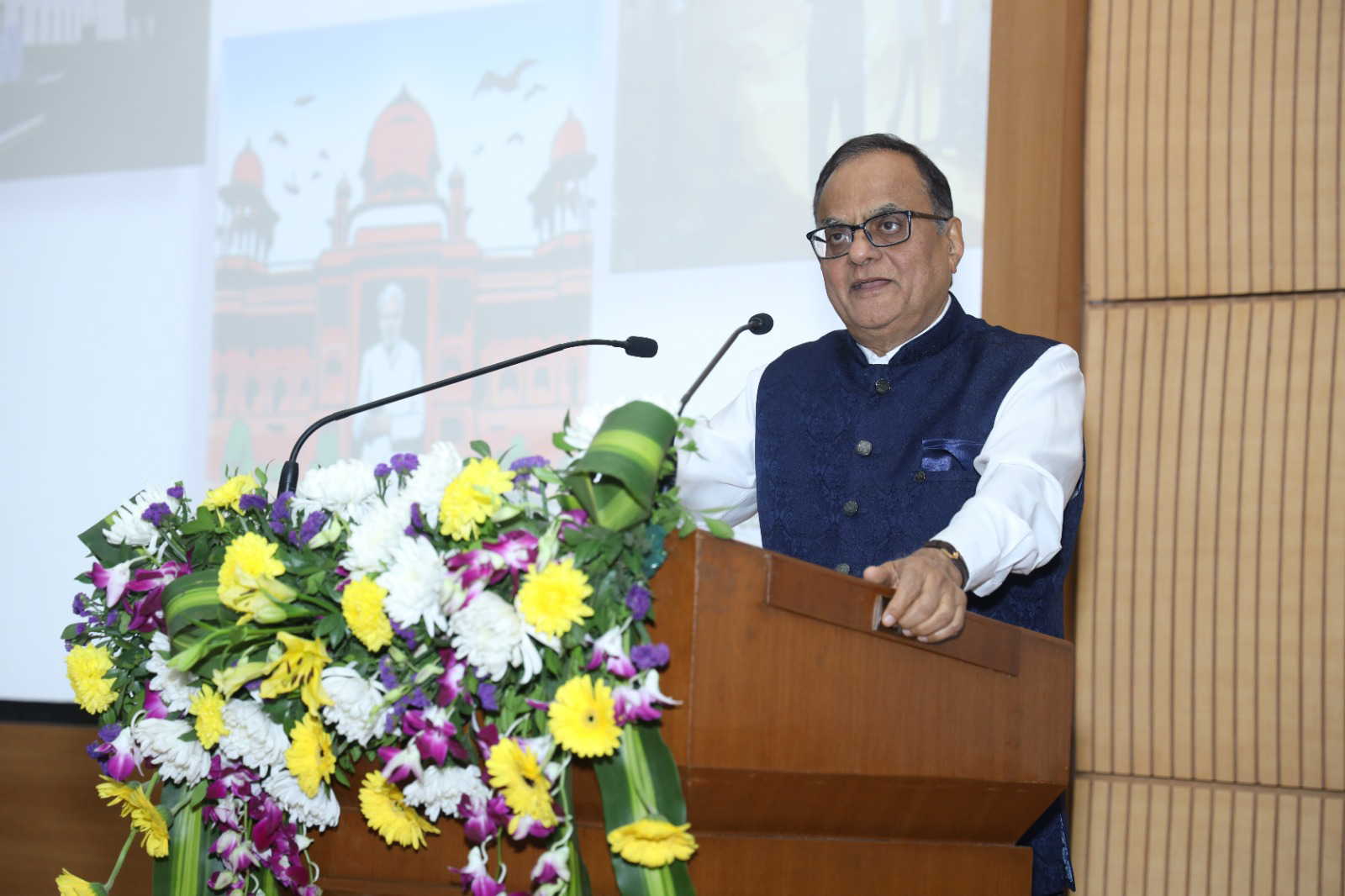
Artificial intelligence is reshaping workplaces across the world. There are concerns that mass job losses continue to dominate public debate. But according to Ajay Kumar Sood, the future does not spell catastrophe; it signals transformation. Speaking at the India Today AI Summit, the Principal Scientific Adviser to the Government of India offered a clear message: AI is not a job destroyer by default. Instead, it is a powerful enabler that can generate new forms of employment, provided societies invest in skills, governance and trust.
Jobs will change, not disappear
According to Livemint, Sood acknowledged that as AI tools mature, certain lower-end roles—particularly routine coding and repetitive tasks—may become redundant. However, he stressed that viewing AI as a threat is both inaccurate and counterproductive. “Some jobs will go out of place, especially at the lower end, but a large number of jobs will be created,” he said, adding that AI’s real value lies in improving lives and productivity. He underlined that humans will remain central to AI systems. As AI spreads across sectors, new roles will emerge in areas such as auditing, oversight, validation and ethical compliance. These jobs, Sood noted, will require new skills and continuous learning, making reskilling and AI literacy foundational pillars of India’s AI Mission.
Building safe, inclusive and sovereign AI
Sood said India is taking a proactive approach to safe AI deployment, addressing fears around misuse and concentration of power. The government is developing strong techno-legal frameworks where legal safeguards are embedded directly into technology, especially when AI systems use personalised data.
Under the India AI Mission, the government has enabled access to nearly 38,000 GPU-equivalent compute infrastructure through public-private partnerships, at roughly half the global cost. On the data front, initiatives like AI Kosh now host over 9,000 curated, non-personal datasets for researchers and startups. This infrastructure, Sood said, is designed to ensure AI innovation benefits all sections of society and not just a privileged few.
India is also pursuing sovereign AI, including large language models trained on India-centric data, to avoid dependence on a handful of global tech monopolies. On regulation, Sood described India’s approach as a balanced middle path, which is neither overly restrictive nor hands-off, aimed at incentivising safe adoption while unlocking new markets and jobs.
Also Read | India and France elevate ties to a Special Global Strategic Partnership
Real-world impact and sustainable growth
Sood pointed to healthcare and agriculture, where AI is already making tangible differences. In healthcare, AI can assist in analysing scans, but doctors remain essential in decision-making. In agriculture, platforms like AgriStack help ensure benefits reach farmers efficiently. He also cautioned against unchecked AI scaling due to energy constraints, stressing the need for sustainable data centres. With around 180 GW of renewable energy capacity, India could gain a strategic edge in building green AI infrastructure.
Also Read | Ramadan wishes 2026: 30+ quotes and captions to share on WhatsApp, Facebook, and Instagram
The message from India’s chief science adviser is clear: AI is not an inevitability to fear but a future to shape. With the right mix of skills, governance, inclusivity and sustainability, AI can become a driver of employment, innovation and national strength.