






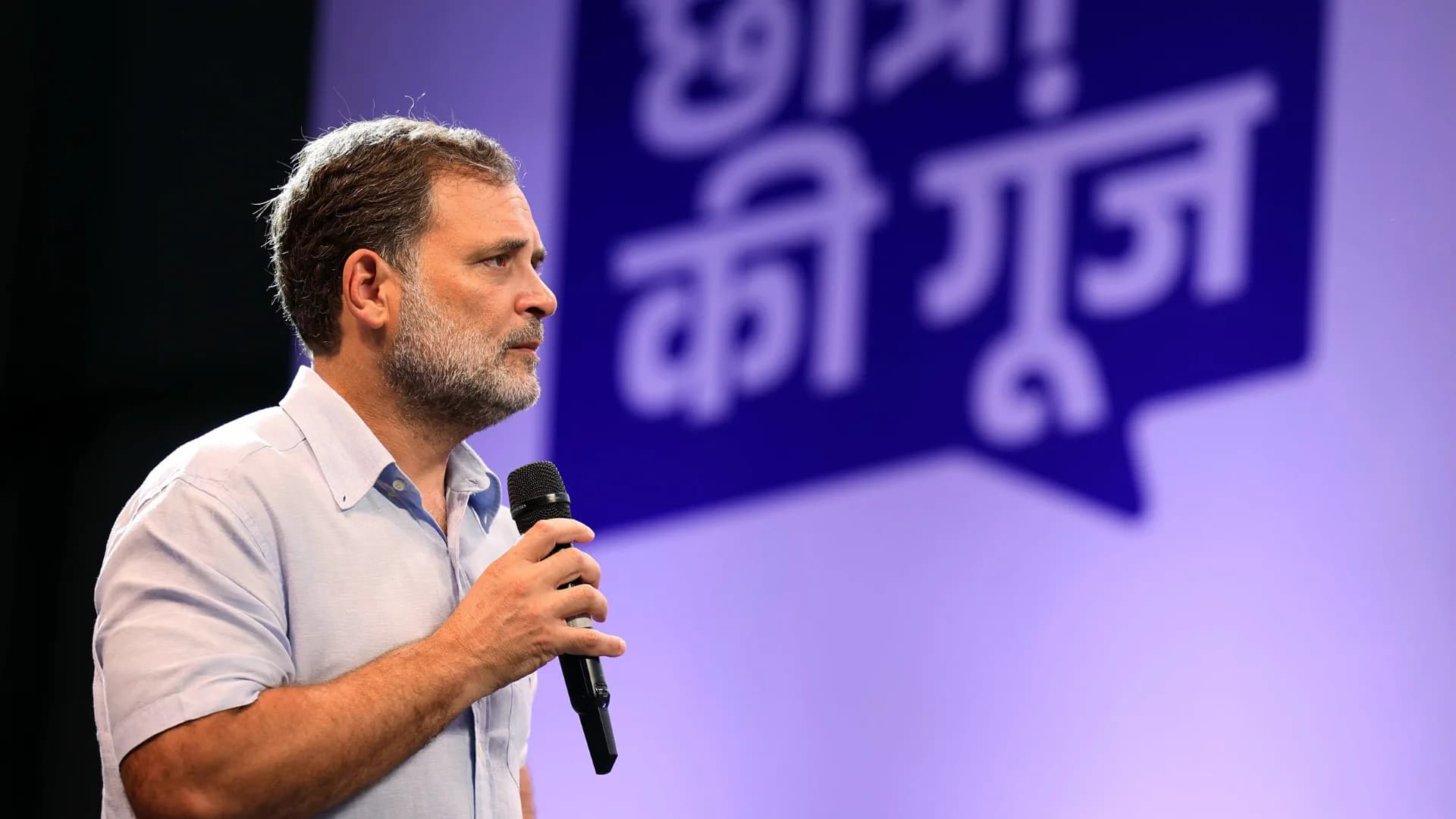









The Delhi HC National Herald case moved a step forward on Monday after the Delhi High Court granted Congress leaders Sonia Gandhi, Rahul Gandhi and other respondents three weeks to file their replies to the Enforcement Directorate’s appeal. The agency has challenged a trial court order that declined to take cognisance of its money laundering complaint linked to the National Herald matter. The High Court has now listed the matter for detailed arguments on September 10, setting the stage for an important legal examination of how proceedings under the Prevention of Money Laundering Act can be initiated.
Court grants respondents time before September hearing
During the hearing in the Delhi HC National Herald case, Justice Manoj Jain noted that the court’s board was packed with time-bound matters and agreed to grant additional time to the respondents for filing their replies.
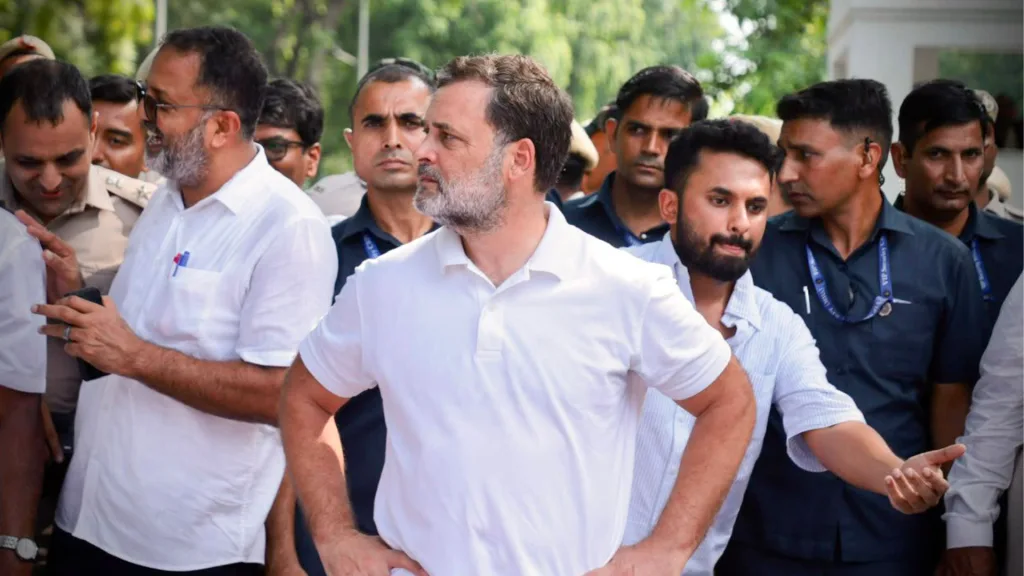
The notices cover Sonia Gandhi, Rahul Gandhi, Suman Dubey, Sam Pitroda, Young Indian, Dotex Merchandise Pvt Ltd and Sunil Bhandari. Senior counsel appearing for the respondents sought time to respond, while Solicitor General Tushar Mehta, representing the ED, argued that the dispute primarily involved questions of law rather than facts.
The Delhi HC ultimately directed all pending replies to be filed within three weeks and fixed September 10 for arguments.
Also Read | Delhi Police yet to drop CJP protest cases despite truce deal
ED challenges trial court’s interpretation of PMLA
The Delhi HC National Herald case centres on whether a complaint under the Prevention of Money Laundering Act can proceed without an FIR in the scheduled offence.
The trial court had refused to take cognisance of the ED’s complaint, observing that the agency’s investigation stemmed from a private complaint instead of an FIR registered by a law enforcement agency.
The ED has argued that this interpretation is legally flawed and could create an unnecessary barrier for future money laundering investigations. According to the agency, once a competent court has taken cognisance of a private complaint, it should provide a sufficient legal foundation for proceedings under the PMLA.
Also Read | Delhi HC orders takedown of Kala Hiran teaser over Salman Khan’s portrayal
National Herald allegations remain under scrutiny
The Delhi HC National Herald case also involves allegations that assets belonging to Associated Journals Limited, valued at around ₹2,000 crore, were acquired through Young Indian after a ₹90 crore loan arrangement.
The Enforcement Directorate alleges that Sonia Gandhi and Rahul Gandhi, along with other accused, benefited through their shareholding in Young Indian. The respondents have consistently denied wrongdoing.
The High Court will now hear detailed legal arguments in September, with the outcome expected to clarify an important procedural issue that could influence future money laundering prosecutions under the PMLA.
