











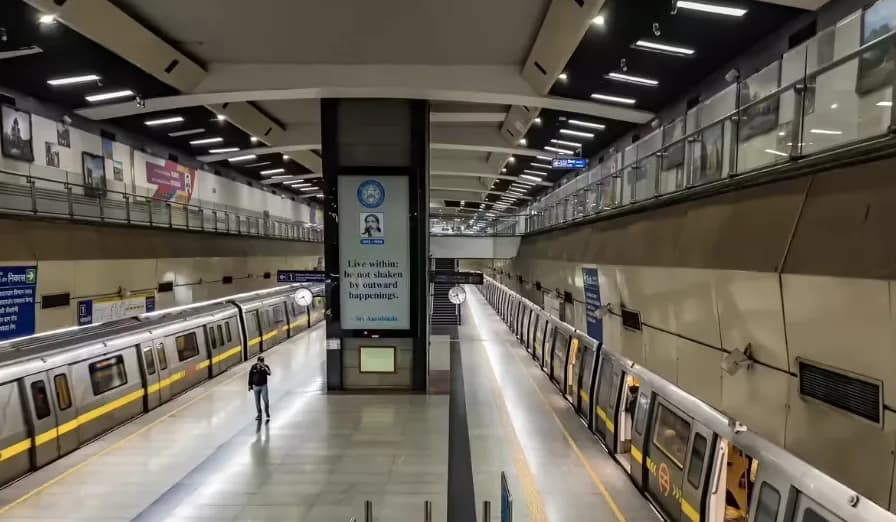












Delhi’s ever-growing Metro network is preparing for another major leap. The Delhi Metro expansion, which includes projects under Phase IV and Phase V(A), will introduce 15 new interchange stations and multiple new corridors designed to reduce travel time and improve connectivity across the National Capital Region. For the millions of passengers who depend on the Metro every day, the changes could make journeys quicker, simpler and far more convenient.
How the Delhi Metro expansion will improve connectivity
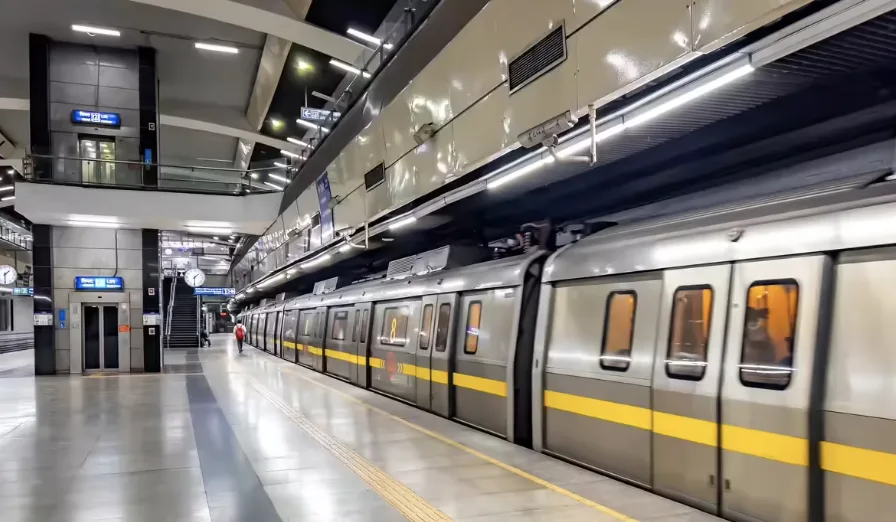
The Delhi Metro expansion will increase the number of interchange stations from 31 to 46, creating a much more integrated network. Five stations, New Delhi, Inderlok, Lajpat Nagar, Central Secretariat and Azadpur, will become triple-interchange hubs, allowing passengers to switch between three Metro corridors at a single location.
Several other stations, including Delhi Gate, Chirag Delhi, Tughlakabad, Madhuban Chowk, Pulbangash and RK Ashram Marg, will also become new interchange points. The Delhi Metro expansion aims to eliminate unnecessary detours and make cross-city travel much faster.
Also Read | Bihar protest turns political after cop’s alleged AK-47 firing; Rahul, BJP trade barbs
Airport access and new Metro corridors take centre stage
One of the biggest benefits of the Delhi Metro expansion will be improved access to Indira Gandhi International Airport. Delhi Aerocity and Terminal 1 IGI Airport will become important interchange stations, making airport travel easier for passengers coming from different parts of Delhi and the NCR.
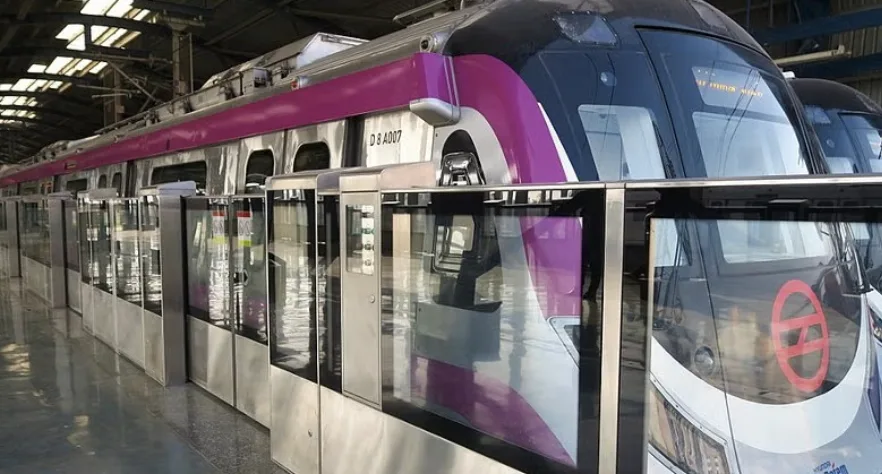
The project includes eight new corridors across Phase IV and Phase V(A). These include Magenta Line extensions connecting Krishna Park Extension, Deepali Chowk and Indraprastha, Golden Line corridors linking Delhi Aerocity, Tughlakabad and Kalindi Kunj, and the Red Line extension from Rithala to Kundli.
Also Read | Sonam Wangchuk out of hospital, to visit Rajghat before returning to Ladakh
Why the Delhi Metro expansion matters for daily commuters
According to passenger movement studies conducted by DMRC, nearly 70 to 80 percent of Metro users change lines at least once during their journey. That makes the Delhi Metro expansion far more than just an infrastructure project. It directly addresses how people actually use the network every day.
With the Delhi Metro expansion, commuters are expected to spend less time changing trains while enjoying smoother access to commercial districts, residential neighbourhoods and transport hubs. As the network grows beyond its current 416 kilometres and 303 stations, Delhi’s public transport system is expected to become even more efficient and reliable.
