







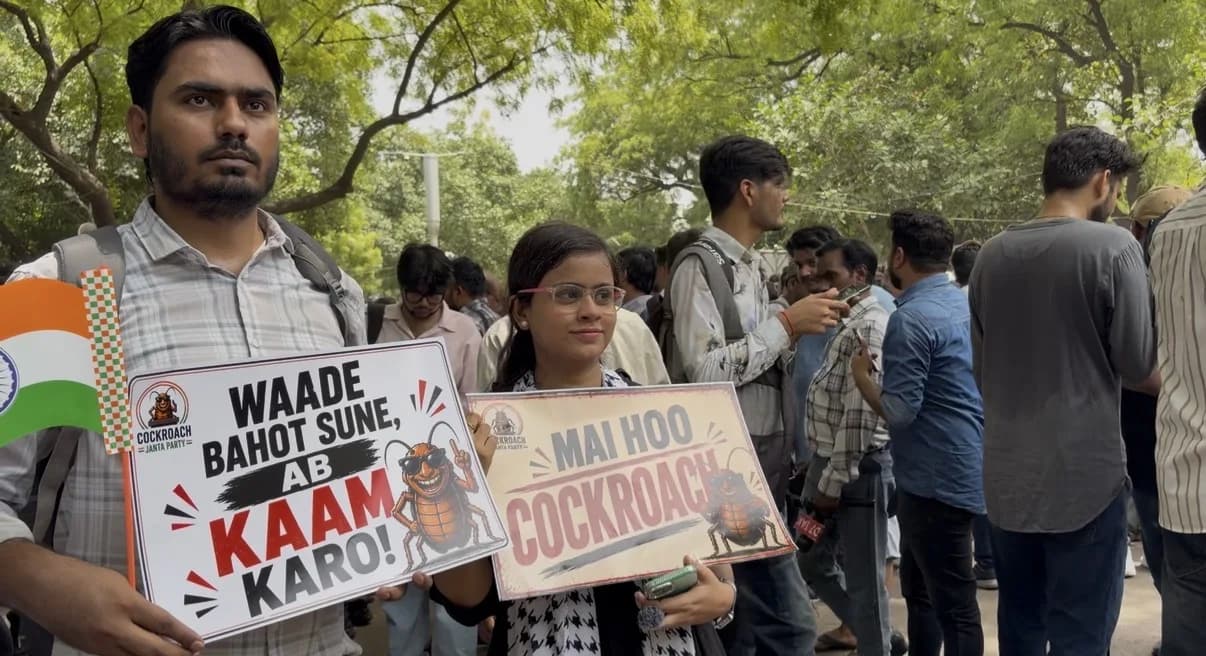






The Delhi HC on Monday dismissed as withdrawn a public interest litigation challenging the suspension of mobile internet services around Jantar Mantar after the petitioner chose not to pursue the case. The decision came shortly after internet connectivity was restored across parts of central Delhi following the conclusion of the Cockroach Janta Party’s month-long protest. The development effectively closes the legal challenge for now, although it has once again brought the debate over internet shutdowns and executive powers into focus.
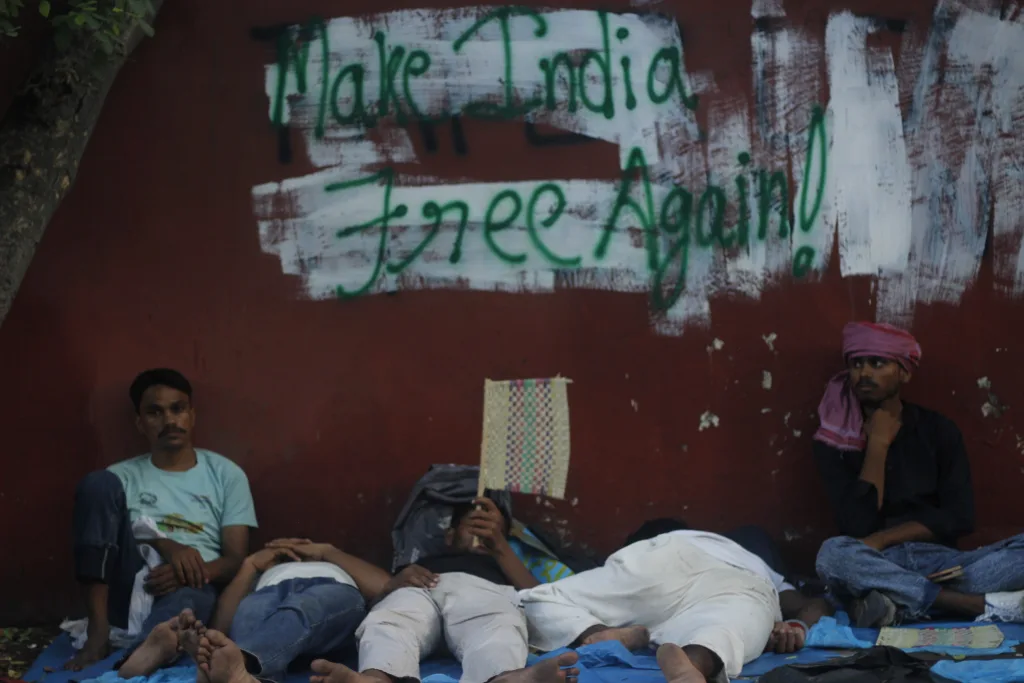
Delhi HC internet shutdown plea withdrawn after internet services resume
The petition was filed by the Software Freedom Law Centre, India, questioning multiple orders issued by the Union Ministry of Home Affairs that suspended mobile internet services in parts of central Delhi between July 17 and July 23.
A bench led by Chief Justice D K Upadhyaya and Justice Tejas Karia accepted the request to withdraw the matter after the petitioner’s counsel informed the court that fresh instructions had been received.
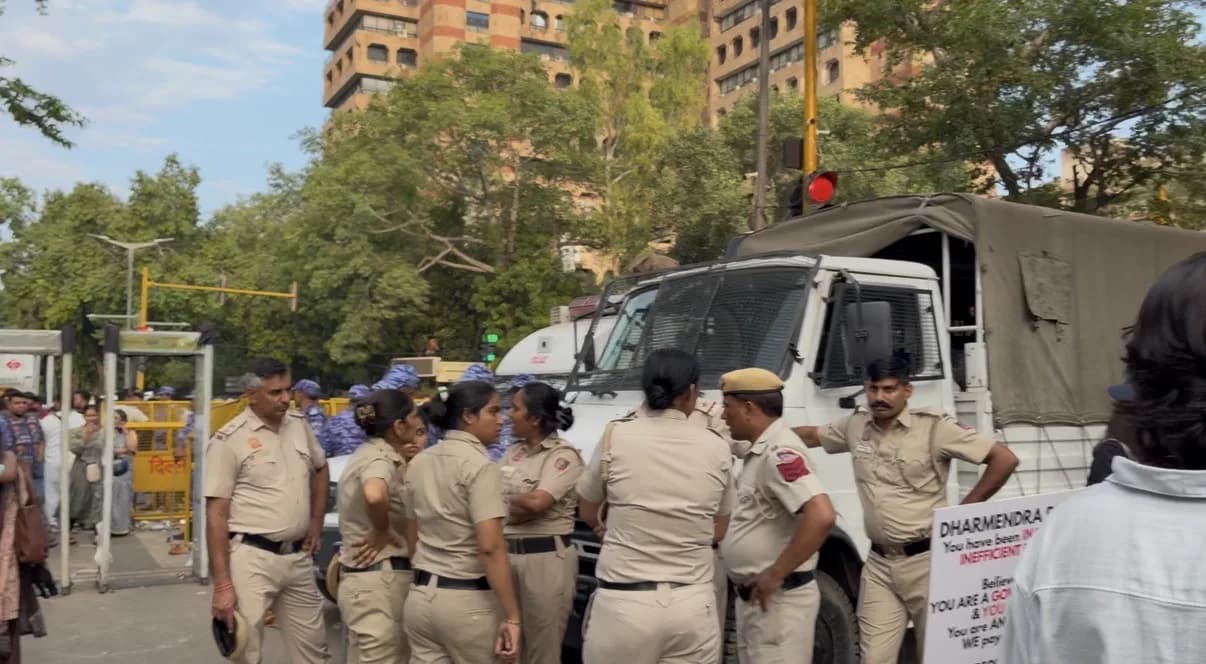
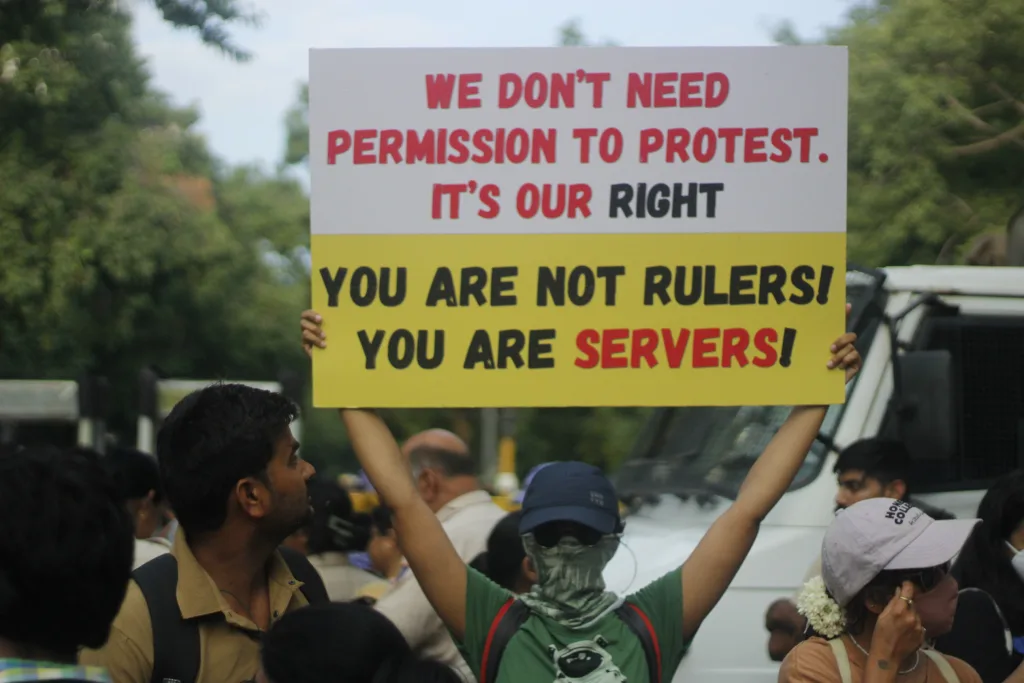
The internet shutdown plea to the Delhi HC was linked to restrictions imposed during the prolonged demonstrations at Jantar Mantar. With the protests ending after former Union Education Minister Dharmendra Pradhan resigned and the government accepted several demands raised by the protesters, internet services were restored across the affected areas.
The legal proceedings therefore became largely academic, prompting the withdrawal of the Delhi HC internet shutdown plea.
Also Read | Delhi Metro expansion to reshape daily travel across NCR
Petition questioned legality of internet suspension orders
Before its withdrawal, the petition argued that suspending mobile internet services was among the most extraordinary powers available to the executive and should only be exercised under exceptional circumstances.
The organisation alleged that the government had failed to establish the existence of a public emergency or explain why a blanket suspension of mobile internet services was necessary. It also claimed that authorities did not examine less restrictive alternatives before imposing the restrictions.
According to the petition, repeated suspension orders reflected a mechanical exercise of statutory powers rather than an independent assessment of each situation.
The internet shutdown plea at the Delhi HC further contended that the restrictions affected constitutional freedoms, including freedom of speech, freedom of assembly, and the right to life and personal liberty.
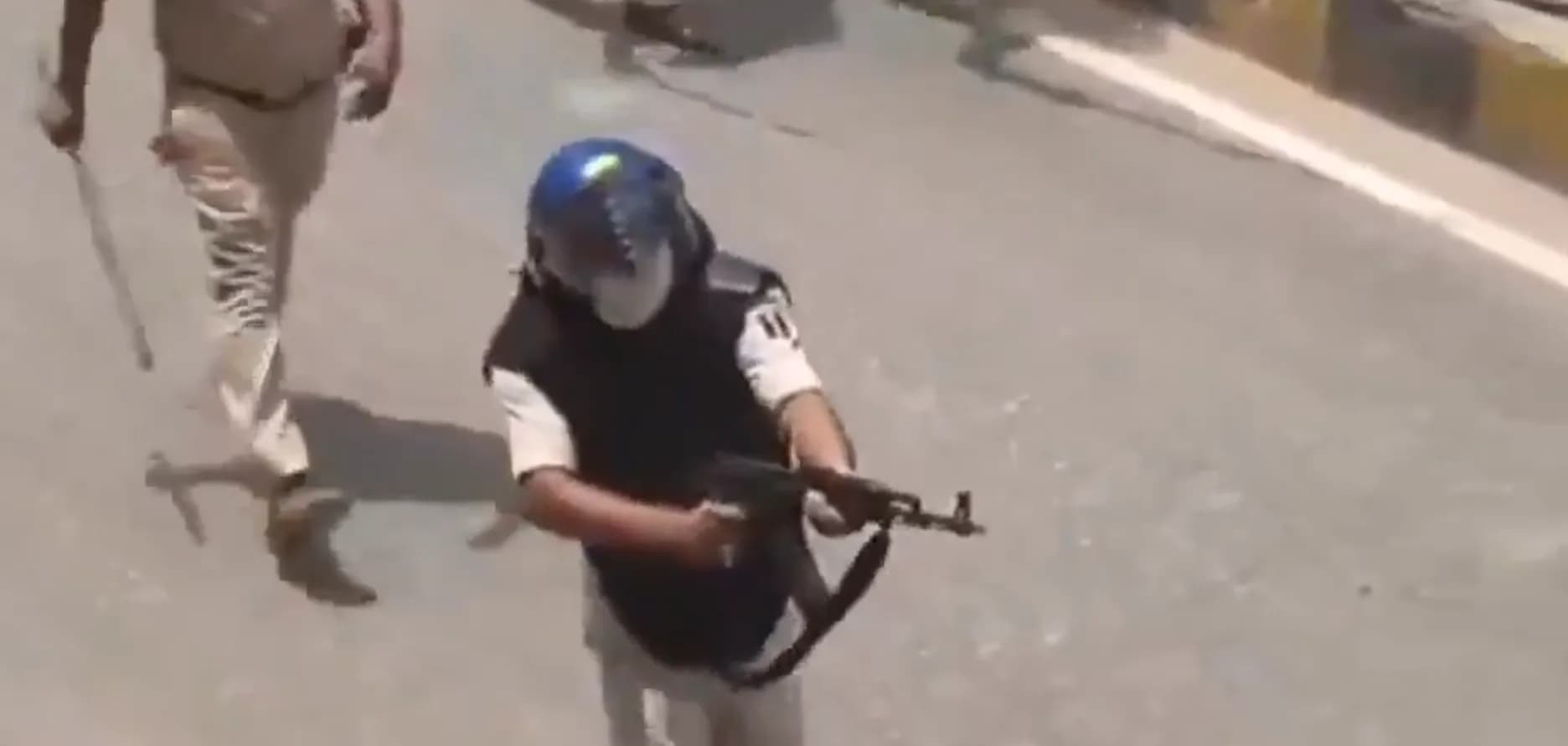
Also Read | Bihar protest turns political after cop’s alleged AK-47 firing; Rahul, BJP trade barbs
Internet shutdown debate likely to continue despite case withdrawal
Although the Delhi HC internet shutdown plea has been withdrawn, the broader conversation surrounding internet shutdowns in India is unlikely to end.
Civil liberties groups have consistently argued that temporary internet suspensions must remain proportionate, transparent and subject to strict judicial scrutiny. Governments, however, maintain that such measures may become necessary to preserve public order during sensitive situations.
The restoration of services after the end of the Jantar Mantar protests resolved the immediate dispute, but experts believe future legal challenges could emerge whenever similar restrictions are imposed.
The withdrawal of the internet shutdown plea from Delhi HC does not settle the constitutional questions raised in the petition. Instead, it leaves open the larger issue of how authorities balance public safety with digital rights in an increasingly connected society.
