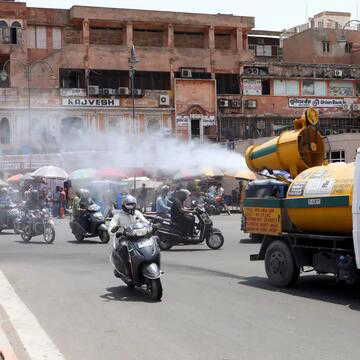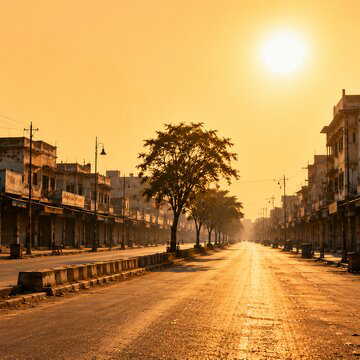
Even after sunset, the heat simply refuses to leave North India. At around 6 pm on Tuesday, Gurugram was still recording temperatures close to 42C. Across Delhi-NCR, roads continued radiating heat hours after peak afternoon temperatures, while hot winds swept through neighbourhoods late into the evening. For many residents, the most alarming part of the current heatwave is not just the daytime highs — it is the fact that nights are no longer bringing relief.
The India Meteorological Department (IMD) has issued heatwave and severe heatwave warnings for several parts of Delhi, Rajasthan, Haryana and Punjab, where temperatures have climbed close to 45–46C this week.
So why is this heatwave feeling harsher than usual, and how long is it expected to continue?
Also Read | What is ULPGM-V3 missile? DRDO tests UAV-launched precision weapon with dual strike capability
The ‘heat dome’ trapping North India
According to meteorologists, another significant factor responsible for this persistent heat wave is the development of a huge region of dry and descending air in northwest India, which can also be referred to as a "heat dome".
 ANI
ANI This phenomenon behaves like an atmospheric lid, leading to heating at surface level and making it difficult for clouds to form. As a result of clear skies and continuous exposure to the sun’s rays, heat is absorbed in large quantities by the land and released even after the sun goes down.
That explains why cities like Delhi and Gurugram continue to remain extremely hot even at night time.
To make matters worse, there are loo winds, very hot and dry winds blowing from Rajasthan and neighboring areas of Pakistan to Haryana, Delhi and western Uttar Pradesh during summers. As these winds contain very little moisture, temperatures tend to soar high during afternoons.
Why nights are becoming more dangerous
Weather experts say what makes this heatwave especially risky is the absence of nighttime cooling.
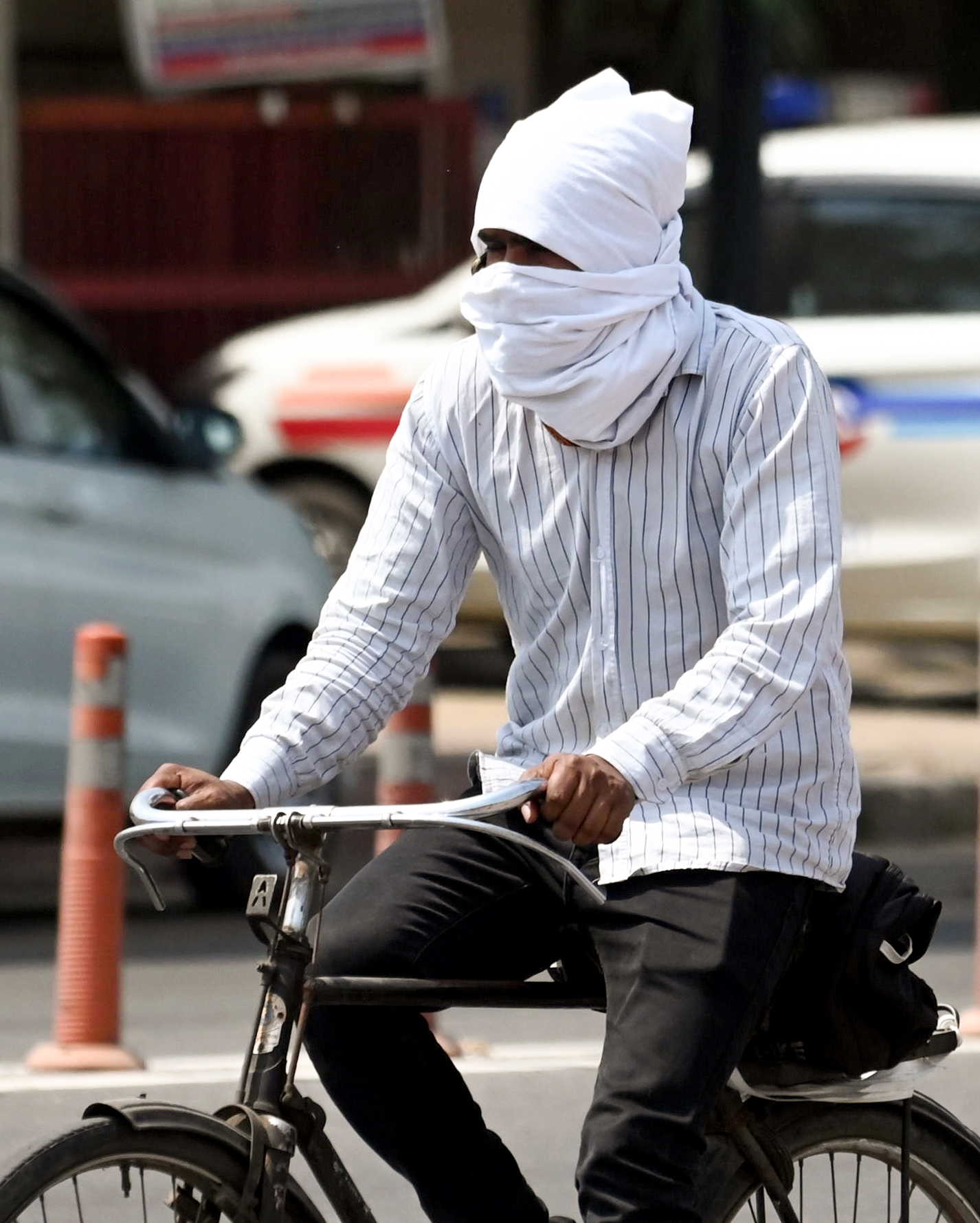
Normally, temperatures fall significantly after sunset. This time, however, nights are remaining unusually warm, leaving people exhausted after enduring scorching daytime conditions.
 ANI
ANI Urban regions such as Delhi-NCR are being hit harder because of the “urban heat island” effect. Concrete buildings, asphalt roads, flyovers and glass structures absorb heat during the day and slowly release it at night, effectively turning cities into giant heat traps.
The lack of green cover and rapid urbanisation have further intensified the problem.
Meteorologists also point to weak western disturbances this year. These weather systems, which usually bring occasional rain and thunderstorms to North India during May, have either remained weak or passed too quickly to provide sustained cooling.
As a result, temperatures have climbed sharply again immediately after brief rain spells.
Is climate change making the heat worse?
Scientists and weather experts increasingly believe climate change is amplifying extreme heat events across India.
Heatwaves are becoming longer, more frequent and more intense, particularly in densely populated urban regions. Experts are also monitoring the possible development of El Niño conditions in the Pacific Ocean, which are often associated with hotter summers and weaker monsoon activity in India.
The combination of climate change, changing weather patterns and rapid urban growth is making Indian summers more dangerous than before.
Also Read | Noida woman’s death: Did Deepika Nagar suffer before fall? Autopsy hints at more
When will North India get relief?
IMD has stated that heatwaves will persist in the Delhi-NCR region and neighboring states till at least May 24 or 25. Temperatures are predicted to hover around 44C to 46C in certain places in the days to come.
There could be some respite at the end of May due to another western disturbance, which could cause thunderstorms or dust storms in North India. There is also going to be an increase in pre-monsoon activity gradually.
However, it should be noted that this does not mark the end of the summer season.
While the southwest monsoon is expected to reach Kerala earlier than usual around May 26, North India typically receives monsoon rains only in late June. Until then, the region is likely to face repeated spells of intense heat.