The Food Safety and Standards Authority of India (FSSAI) has taken an even stricter stance to prevent confusion in food product labelling and marketing. FSSAI has reported that multiple Food Business Operators (FBO) have recently come to their attention for selling beverages as 'tea' that are not derived from the specified species of the tea plant at all.
These include various types of herbal infusions, beverages made from flowers or other plants. FSSAI has also reminded that labelling regulations for packaged food products clearly state that the true nature of the product must be clearly mentioned on the front of the package. This rule exists to protect consumers from any confusion.
Also Read | Air quality worsens again in Delhi as fog reduces visibility; AQI at 305
What can be called 'Tea'?
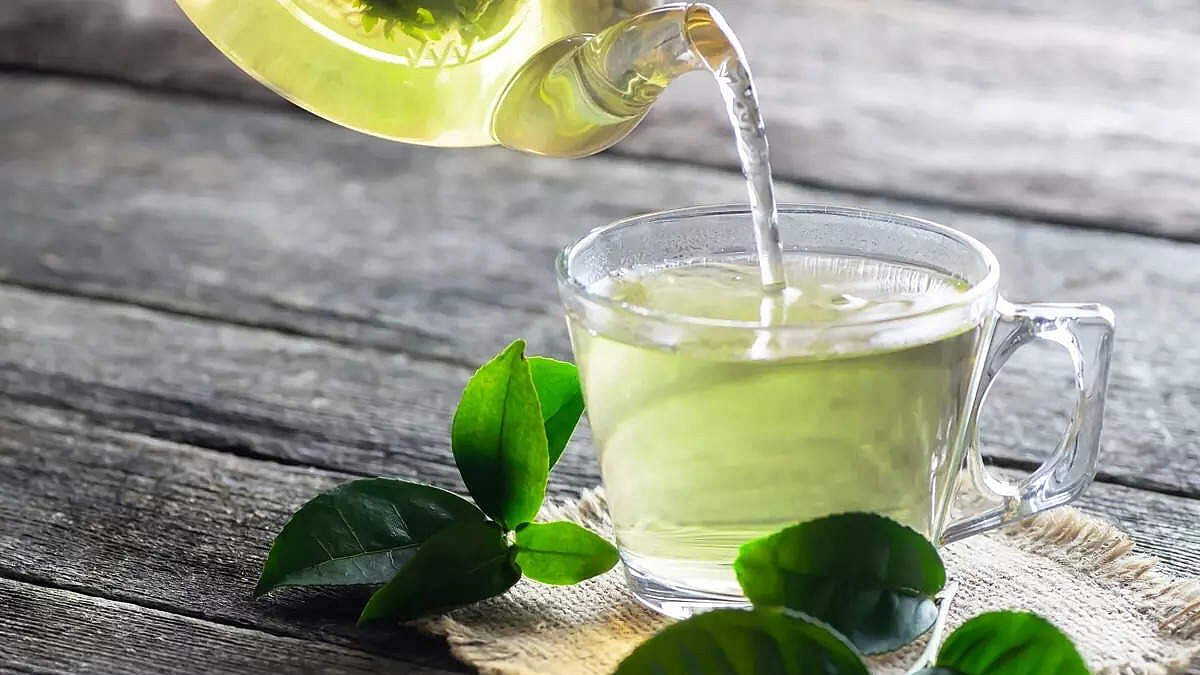
The food regulatory body has clearly stated that in India, only beverages derived from the Camellia sinensis plant can be marketed and sold under the name 'Tea'. As a result of this guideline, many popular beverages like herbal tea, flower tea, or rooibos tea will no longer be able to use the term 'tea' if they are not prepared from the Camellia sinensis plant.
FSSAI has also reminded that labelling regulations for packaged food products clearly state that the true nature of the product must be clearly mentioned on the front of the package. This rule exists to protect consumers from any confusion
Explaining this matter, the organisation has stated that according to current regulations, tea is considered to be derived only from the Camellia sinensis plant. This category includes Kangra tea, green tea, or instant tea in solid form. Any plant-based beverage outside of this, no matter how popular or healthy it may be promoted as, cannot legally be called 'tea'.
Also Read | Three new lines to be unveiled in the Delhi metro to make commuting easier
According to the regulator, naming something tea despite not being sourced from the Camellia sinensis plant confuses consumers. Moreover, under current food safety laws, this clearly constitutes 'misbranding.' If the word 'tea' is used directly or indirectly in the name or description of any product not made from Camellia sinensis, it will be considered a violation of the 2006 FSSAI Act and related regulations.
The regulatory body has stated that if the beverages are not from the specified species of tea plant, then they are not recognised as 'tea' under current rules. Depending on the product's ingredients, these may either fall under the 'proprietary food' category or may require separate approval under the Food Safety and Standards (Approval for Non-Specified Food and Food Ingredients) Regulations, 2017.
Also Read | Delhi opens 100 new ₹5 canteens where you can get full meals for less than the price of a cup of chai
To implement this directive, FSSAI has instructed all FBOs, including e-commerce platforms involved in the production, packaging, marketing, import, or sale of such products, to immediately stop using the word 'tea'. Additionally, Food Safety Commissioners of states and union territories and FSSAI's regional directors have been instructed to conduct strict surveillance. The organisation has warned that compliance will be monitored through designated officials and Food Safety Officers, and strict action will be taken for any legal violations.