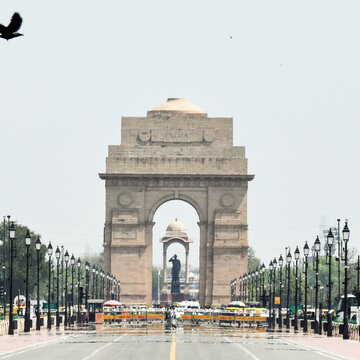
Delhi’s battle with rising temperatures is becoming increasingly localised, with a new analysis revealing that several neighbourhoods are heating up faster than others. A study by Envirocatalyst, based on satellite data over the past decade, shows a steady increase in land surface temperatures across multiple municipal wards, raising concerns about how the city will cope with intensifying heat in the future.
Built-up zones driving heat spikes
According to The Hindustan Times, the findings point to a clear link between urbanisation and rising surface temperatures. Areas that have seen rapid construction and shrinking green cover are emerging as heat hotspots. Experts note that land surface temperature, which measures how hot the ground actually gets, is often higher than recorded air temperature. This makes it a critical indicator of how extreme conditions can feel on the ground. Founder and analyst Sunil Dahiya said changes in land use, including the loss of vegetation and water bodies, are key drivers behind the surge.
Sharp rise in key Delhi wards
Among the worst-affected areas, Bhati in south Delhi recorded the highest increase, with a rise of over six degrees Celsius in April between 2015 and 2025. Other areas such as Madanpur Khadar East, Badarpur and Gautampuri also showed significant increases. The study found that Delhi’s average land surface temperature rose by about 3.5 degrees Celsius during the same period. The Universal Thermal Climate Index, which measures how heat is experienced by the human body, also showed a comparable rise, pointing to growing thermal stress for residents.
Also Read | Bomb threat emails sent to Delhi Assembly; probe underway after recent breach
Need for targeted urban planning
The analysis underscores the need for ward-level interventions rather than broad citywide measures. Experts suggest increasing green cover, protecting existing natural spaces and adopting heat-resilient construction practices. Measures such as reflective roofing, better urban design and creation of cooling shelters could help mitigate the impact. The think tank has also developed a public dashboard to track these changes, aiming to support data-driven policymaking.
Also Read | Narela cyber fraud racket busted: ₹2.3 crore trail, crypto links expose wider network
As Delhi continues to expand, the study highlights a pressing reality: without careful planning, the city risks becoming increasingly difficult to live in during peak summer months.