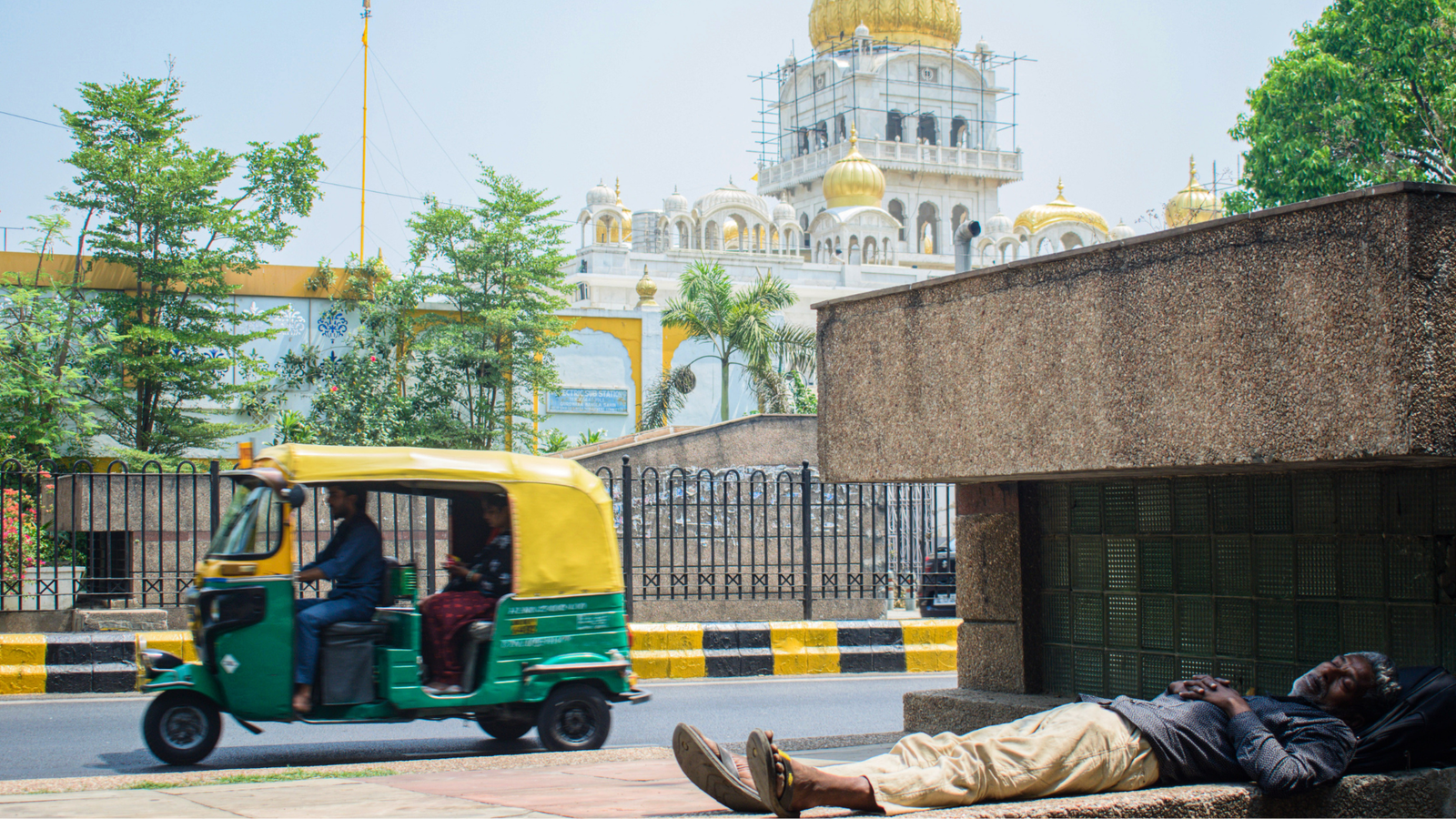
India experienced its first widespread heatwave of 2026 on Wednesday, with intense heat sweeping across parts of western and central India. The early spike in temperatures has once again highlighted how the transition between winter and summer is becoming shorter, with spring gradually shrinking in duration.
According to the India Meteorological Department (IMD), heatwave to severe heatwave conditions were reported at many places over Gujarat’s Saurashtra and Kutch regions and at a few locations across the Gujarat region. Isolated heatwave conditions were also observed in Vidarbha. While the region had seen brief heatwave conditions earlier this month, Wednesday marked the first widespread episode affecting large parts of western India this year.
Rising temperatures across several states
Maximum temperatures ranged between 38C and 42C across many locations in Gujarat, West Rajasthan and Vidarbha. Similar high temperatures were recorded at a few places in Madhya Pradesh and Marathwada, while isolated areas of Chhattisgarh and Odisha also experienced unusually warm conditions.
Also Read | Massive fire breaks out at fish market in West Delhi’s Matiala; several shops gutted
In Delhi, daytime temperatures were recorded between 35C and 38C.
Temperatures remained significantly above normal across several regions. Daytime temperatures exceeded the seasonal average by more than 5.1C in Haryana, Chandigarh, Delhi, and parts of Rajasthan. Many areas of Punjab, Gujarat, Saurashtra and Kutch also recorded similarly high departures from normal levels.
Meanwhile, temperatures were appreciably above normal by 3.1C to 5C at many places in Sub-Himalayan West Bengal and Sikkim, as well as in parts of Madhya Maharashtra and coastal Karnataka.
Weather pattern behind the early heat
Meteorologists say the current weather pattern is being driven by an anti-cyclone over Rajasthan that is pushing dry and hot winds towards Gujarat. The system is also causing subsidence of air, which further increases temperatures in the affected regions.
Mahesh Palawat, vice president for climate and meteorology at Skymet Weather, noted that this pattern has become increasingly common in recent years. He said the transition from winter to summer is happening faster, leaving little time for spring-like conditions.
Also Read | Even amid oil depot fires and conflict, Tehran reports cleaner air than pollution-hit New Delhi
Heat likely to continue in Gujarat
IMD said heatwave to severe heatwave conditions are likely to persist in Gujarat until March 13.
At the same time, the department has forecast isolated heavy rainfall in parts of the northeast. Arunachal Pradesh may receive heavy rainfall between March 12 and 14, while Assam and Meghalaya could experience similar conditions between March 13 and 15.
The weather department defines a heatwave in the plains when the maximum temperature reaches 45C or when temperatures remain at least 4.5C above the seasonal average.