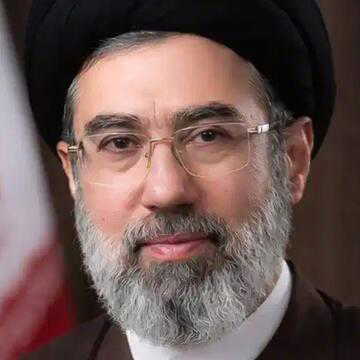
Mansoureh Khojasteh Bagherzadeh, the wife of the late Iranian Supreme Leader Ali Khamenei, is alive, Iranian media reported on Thursday, dismissing earlier claims that she had been killed during recent attacks on Iran.
The clarification was issued by Fars News Agency after several reports circulated in the days following the strikes that she had died. The reports had emerged after Ali Khamenei was killed in joint strikes by the United States and Israel at the start of the current conflict on February 28.
The speculation intensified after Iran's new Supreme Leader, Mojtaba Khamenei, issued his first public statement but made no mention of his mother’s death.
Reports of casualties in Khamenei family
Local media reports earlier suggested that several members of Ali Khamenei's extended family were killed during the initial attacks. These reports claimed that his daughter-in-law, son-in-law, daughter, and a grandchild were among those who died in the strikes carried out on the first day of the war, Hindustan Times reported.
However, Iranian authorities have not released detailed official confirmations regarding the reported family casualties.
Mansoureh Khojasteh Bagherzadeh has largely remained outside public life and is considered one of the most private members of Iran's ruling family. She has rarely appeared in public or in state media.
Mojtaba vows retaliation amid Strait of Hormuz tensions
In his first address as Supreme Leader, Mojtaba Khamenei vowed retaliation for Iranians killed in the ongoing conflict involving Iran, the United States, and Israel. He said Iran would avenge the deaths of those killed in the war, including children who reportedly died in strikes on a school in Minab, HT reported.
His message, read on state television, also outlined Iran's stance on the conflict and referred to the closure of the Strait of Hormuz as a way to pressure adversaries.
Also Read | Kim Jong Un and his daughter test North Korea’s latest arms amidst global tensions
Meanwhile, Iran's foreign ministry spokesperson Esmaeil Baghaei said ships may still pass through the waterway but only after coordinating with Iran's navy.
"After the current events, generally we cannot return to conditions before February 28 (start of current Iran war)... as we have understood how important the safety of the Strait of Hormuz is, and so did the others," he said, according to reports by Reuters.