As concerns over LPG supply grow across India, many households are trying to understand the rules around booking and storing cooking gas cylinders. Delivery delays, rising prices and tighter supply at distributor levels have raised questions about how many cylinders a household can legally keep at home and how many refills can be booked each year.
The issue has gained attention amid reports of stricter monitoring by authorities under the Essential Commodities Act to prevent hoarding and misuse.
Annual LPG booking limit for domestic consumers
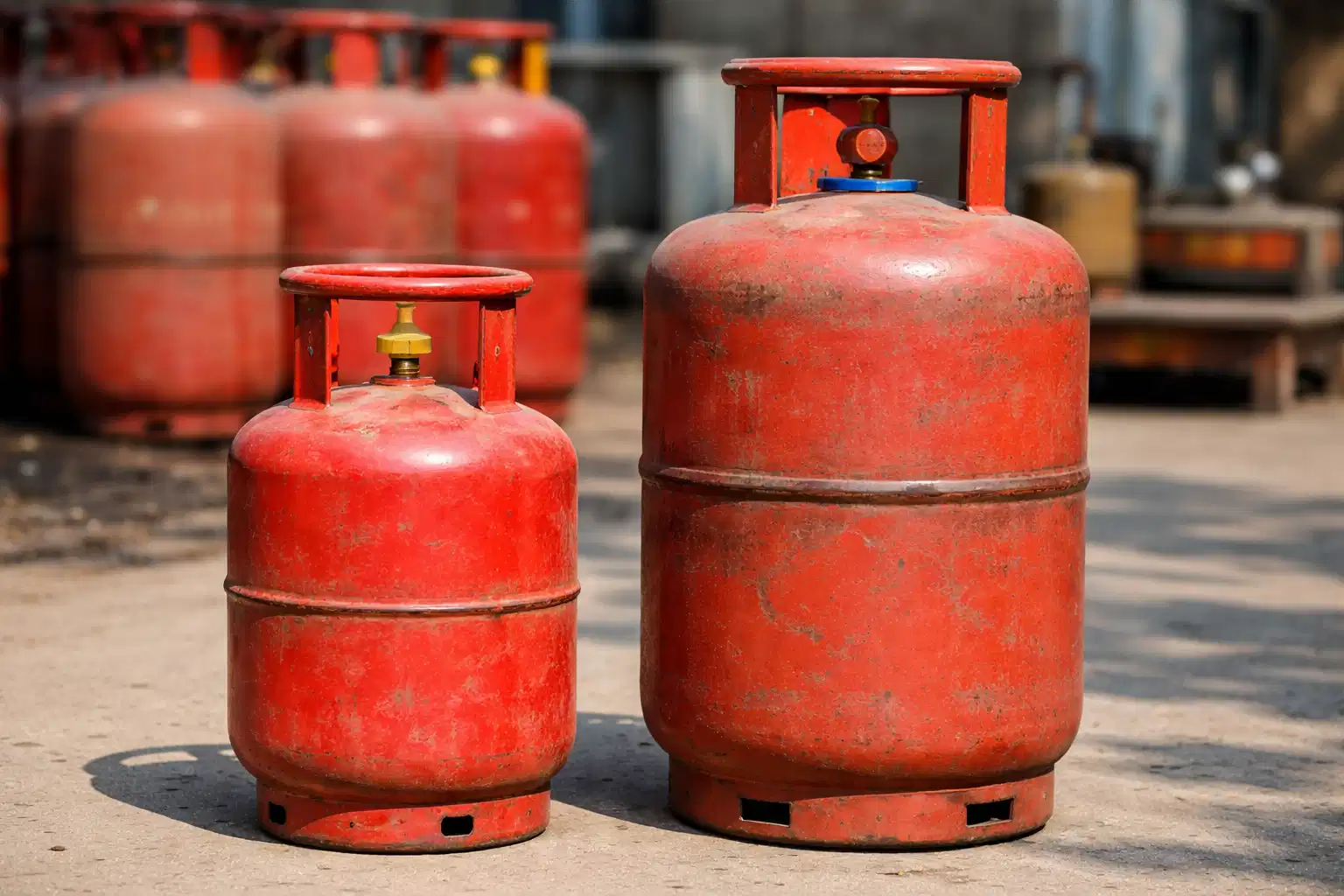
Under the current domestic LPG system, households are eligible for 12 subsidised cylinders of 14.2 kg in a financial year. These cylinders are provided under government-backed domestic LPG schemes.
Also Read | Commercial LPG supply curbs put restaurants on edge: Could eating out get more expensive?
For households that use 5 kg cylinders, the equivalent subsidised limit is 34 cylinders per financial year.
In general, consumers can book one subsidised cylinder per month within the yearly quota. After the 12-cylinder limit is exhausted, households are still allowed to purchase additional cylinders, but these are available only at market rates.
In practice, most households can book up to 15 cylinders of 14.2 kg in a financial year, including 12 subsidised refills and three additional non-subsidised cylinders.
To prevent hoarding and misuse, oil marketing companies have also introduced a mandatory 25-day gap between two LPG bookings. The rule is intended to discourage stockpiling and black marketing, particularly during periods when supply is under pressure.
How many LPG cylinders can you keep at home?
Apart from booking limits, there are also safety rules regarding storage of LPG cylinders in homes.
According to safety guidelines followed by oil marketing companies, a domestic LPG consumer is generally allowed to keep a maximum of two cylinders at home at any time.
This typically means: one cylinder connected for daily cooking and one spare cylinder kept as a backup. Keeping more than two cylinders for household use is usually not permitted without additional safety approvals. LPG is classified as a highly flammable fuel, and storing multiple cylinders increases the risk of fire or explosions.
Storage rules for commercial users
The rules differ for commercial establishments such as restaurants, hotels and catering services. These businesses are allowed to store up to 100 kg of LPG under certain conditions.
"As per the rules laid down by the Department of Explosives, LPG can be stored up to 100 Kgs without an explosive licence in unconnected cylinders," according to FAQs available on Indian Oil's website.
"In case your LPG requirement for industrial/ commercial usage warrants higher storage of LPG, you will be required to install a manifold where all the cylinders are to be kept connected for supplying LPG to the end usage area through a network of LPG pipelines. The design, installation, testing and operation of such LPG installations should confirm to IS: 6044 (Part 1-2000). Such industrial / commercial connections, requiring LPG manifold installations are normally released after a safety audit by the IndianOil officer for the benefit of the consumer," according to the FAQs.
Also Read | No hot meals on trains? IRCTC considers packaged meals amid LPG supply worries
Government monitoring as hoarding concerns rise
The Union government has stepped up monitoring of LPG production, distribution and stock levels by invoking provisions under the Essential Commodities Act.
Authorities are tracking inventory movement more closely to ensure fair distribution and to prevent panic buying or hoarding at both the distributor and consumer levels. As part of these steps, refineries have been asked to prioritise LPG production for household use.
Supply chains are being monitored more closely, the waiting period between domestic LPG bookings has been increased from 21 days to 25 days, the extended refill gap is seen as an effort to slow excessive bookings and distribute supplies more evenly during the current shortage.
What consumers should remember
For most households, the key rules are clear:
Up to 15 domestic LPG cylinders can generally be booked in a financial year.
12 cylinders are subsidised.
The remaining three are available at market price.
A 25-day gap must be maintained between bookings.
Only two cylinders can normally be stored at home at any given time.
With supply under pressure and monitoring increasing, following these rules is expected to become even more important in the coming weeks.