India has directed households in areas with existing piped natural gas infrastructure to shift from LPG cylinders to PNG connections within a stipulated timeframe, or risk losing access to LPG refills. The move comes as concerns rise over supply disruptions linked to the ongoing West Asia crisis.
According to a government order issued under the Essential Commodities Act, households that receive official notice must apply for a PNG connection within three months. If they fail to do so, LPG supply to that address will be discontinued. The notification, titled Natural Gas and Petroleum Products Distribution Order, 2026, requires local gas distributors to inform eligible households through registered or speed post.
If a household does not apply for a PNG connection within three months of receiving the notice, “the LPG supply to such address shall cease,” the gazette notification said. The application may be submitted by either the lawful occupier or the owner of the premises.
The lawful occupier or the property owner can make applications for PNG connections. However, the order includes a safeguard. LPG supply will continue if the distributor certifies that providing a piped connection is technically not feasible at a given location.
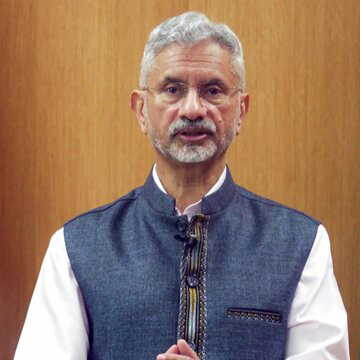
Also Read | ‘Not a dalaal nation’: EAM S Jaishankar hits back at Opposition over US-Iran mediation row
Push driven by import dependency
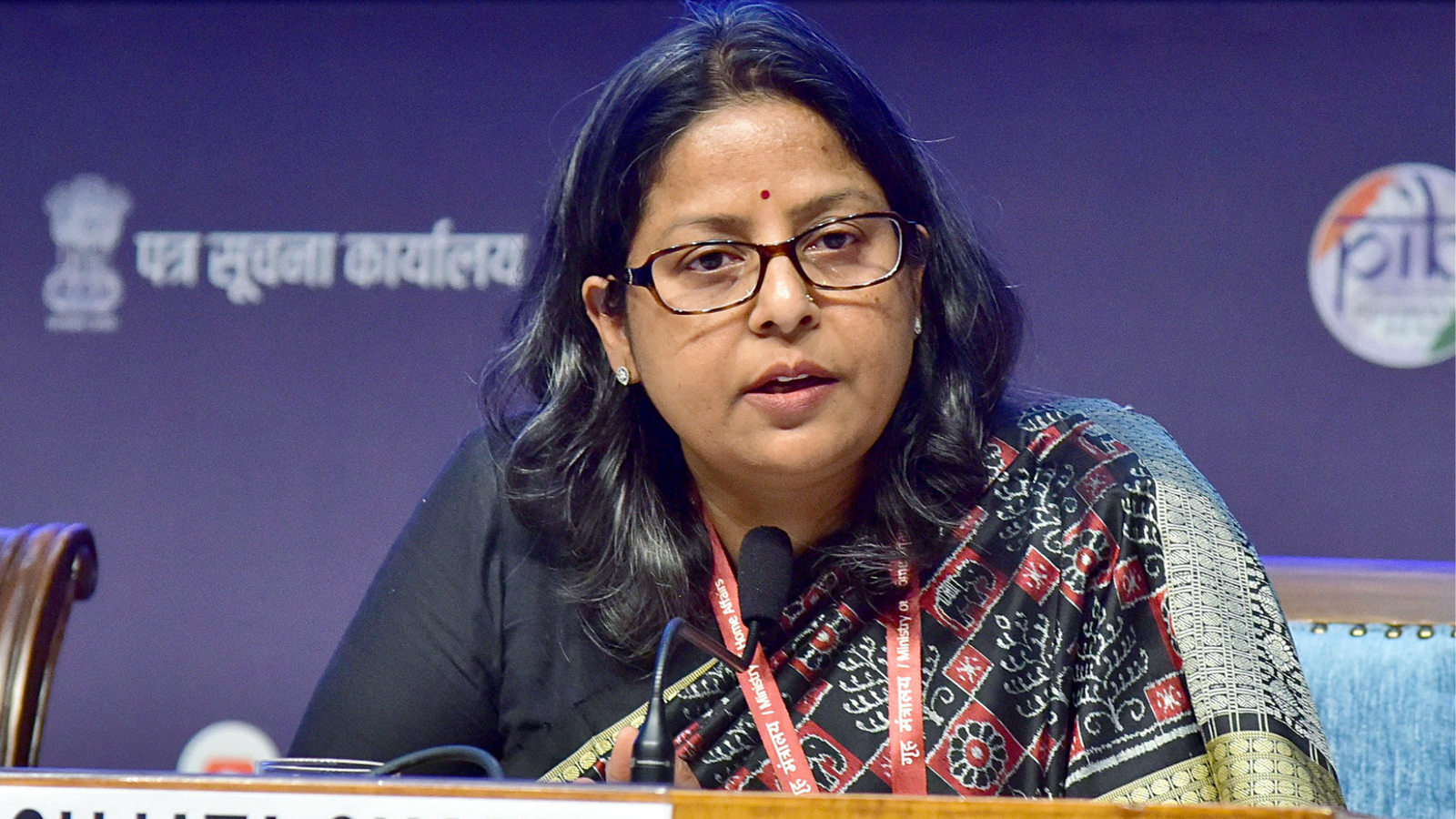
Sujata Sharma, joint secretary in the Ministry of Petroleum, confirmed the directive during an inter-ministerial briefing, calling it a move to strengthen supply security. “Our import dependency for LPG is much higher than the import dependency for PNG or LNG. We produce 50% domestically as far as PNG is concerned. So, this is in the interest of the nation that we shift from LPG to PNG,” she said.
Officials have described the directive as a step to strengthen energy security. India meets over 60% of its LPG demand through imports, with nearly 47% coming from Qatar. Supplies have been hit since March 18 after Iran’s strike on Qatar’s Ras Laffan industrial city, along with ongoing difficulties for vessels passing through the Strait of Hormuz, adding urgency to the government’s push to cut reliance on cylinder gas.
The urgency has increased following disruptions in LPG supplies linked to geopolitical tensions in West Asia. Supply constraints have intensified after recent developments affecting key export routes and production hubs.
Also Read | Reliance buys 5 million barrels of Iranian crude oil after US waiver
Scale of transition
The government estimates that nearly six million households can potentially transition to PNG under the current infrastructure. So far, around 0.22 million consumers have already made the switch.
India currently has about 16.2 million domestic PNG connections, compared to over 332 million LPG users. The LPG consumer base has expanded significantly over the years, including beneficiaries under the PM Ujjwala Yojana.
As per a report by the Hindustan Times, the directive is part of a broader policy push to expand gas infrastructure. It also mandates landowners, including private individuals and housing societies, to allow access for pipeline installation. The provision aims to reduce delays caused by land access disputes and speed up the rollout of piped gas networks across the country.