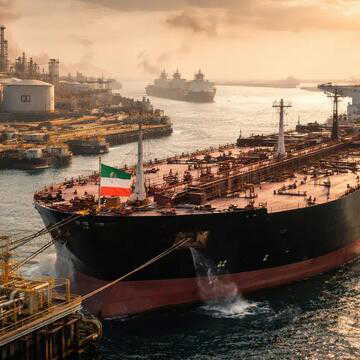
Iran has listed India among a group of “friendly nations” permitted to use the Strait of Hormuz, even as tensions with the US continue to disrupt global energy routes.
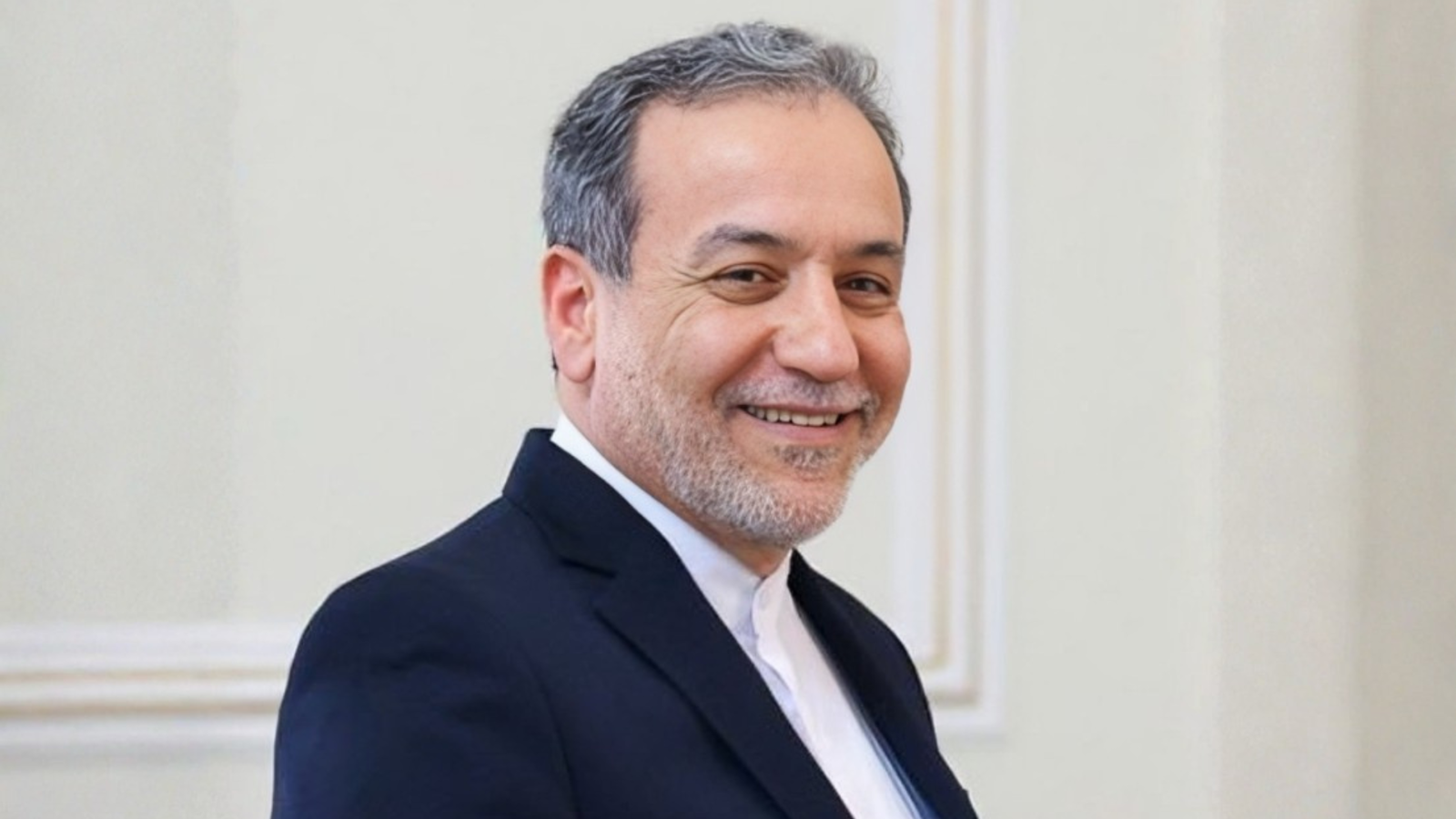
Iranian Foreign Minister Abbas Araghchi on Thursday said countries such as India, Pakistan, Iraq, China and Russia have been allowed passage through the strategic waterway. The Consulate General of Iran in Mumbai confirmed the development in a post, stating, “Iran FM Abbas Araghchi: We permitted passage through the Strait of Hormuz for friendly nations including China, Russia, India, Iraq, and Pakistan.”
#Iran FM Abbas #Araghchi: We permitted passage through the Strait of #Hormuz for friendly nations including China, Russia, India, Iraq, and Pakistan. pic.twitter.com/RvLtiwYB4v
— Consulate General of the I.R. Iran in Mumbai (@IRANinMumbai) March 25, 2026
The Strait of Hormuz has emerged as a critical flashpoint in the ongoing Iran-US conflict. Any disruption in this narrow passage, through which a large share of the world’s oil supply moves, has triggered fears of a global energy crisis. Oil prices have already surged, with several countries reporting supply concerns.
The issue has also figured in Iran’s response to US President Donald Trump’s 15-point peace plan. Among its key demands, Tehran has sought international recognition and guarantees of its right to exercise sovereignty over the Strait. Earlier, Trump claimed that he and “Ayatollah” would jointly control the Strait, a statement that Iran rejected.
Also Read | ‘Not a dalaal nation’: EAM S Jaishankar hits back at Opposition over US-Iran mediation row
Indian ships, crew reported safe
Amid rising tensions, the Indian government has reassured that its vessels and sailors remain safe in the Gulf region.
Speaking at a joint inter-ministerial briefing, Special Secretary in the Ministry of Shipping Rajesh Sinha said, “All Indian ships and sailors in the Gulf region are safe. No maritime incidents have been reported in the last 24 hours. Late last evening, two Indian-flagged LPG carriers, Pine Gas and Jag Vasant, both are loaded with LPG. Both vessels safely crossed the Strait of Hormuz and are headed towards India.”
Calls to reopen Strait grow louder
Global bodies, including the United Nations, have called for the Strait to remain open as supply disruptions worsen.
UN Secretary-General Antonio Guterres said the continued closure is affecting essential supplies. “Across the region & beyond, civilians are enduring serious harm & living under profound insecurity. The UN is working to minimise the consequences of the war. And the best way to minimise those consequences is clear: End the war - immediately,” he said on X.
The prolonged closure of the Strait of Hormuz is choking the movement of oil, gas & fertilizer at a critical moment in the global planting season.
— António Guterres (@antonioguterres) March 25, 2026
Across the region & beyond, civilians are enduring serious harm & living under profound insecurity.
The @UN is working to minimize…
Also Read | 'Forced it to change its position': Iran claims missile strike on US aircraft carrier Abraham Lincoln
Earlier, Iran’s mission in New York stated, “Non-hostile vessels, including those belonging to or associated with other States, may--provided that they neither participate in nor support acts of aggression against Iran and fully comply with the declared safety and security regulations--benefit from safe passage through the Strait of Hormuz in coordination with the competent Iranian authorities,” subject to compliance with Iranian regulations.
Non-hostile vessels, including those belonging to or associated with other States, may—provided that they neither participate in nor support acts of aggression against Iran and fully comply with the declared safety and security regulations—benefit from safe passage through the…
— I.R.IRAN Mission to UN, NY (@Iran_UN) March 24, 2026
Iran considers toll on passage
Iran is also reportedly considering a proposal to charge ships for passage through the Strait. According to Fars news agency, a draft bill is being prepared to formalise Iran’s control and generate revenue through toll collection.
“We are pursuing a proposal in which Iran’s sovereignty, control, and oversight in the Strait of Hormuz are formally recognised in law, and through the collection of tolls, a source of revenue is also created for the country,” Fars quoted a lawmaker as saying.