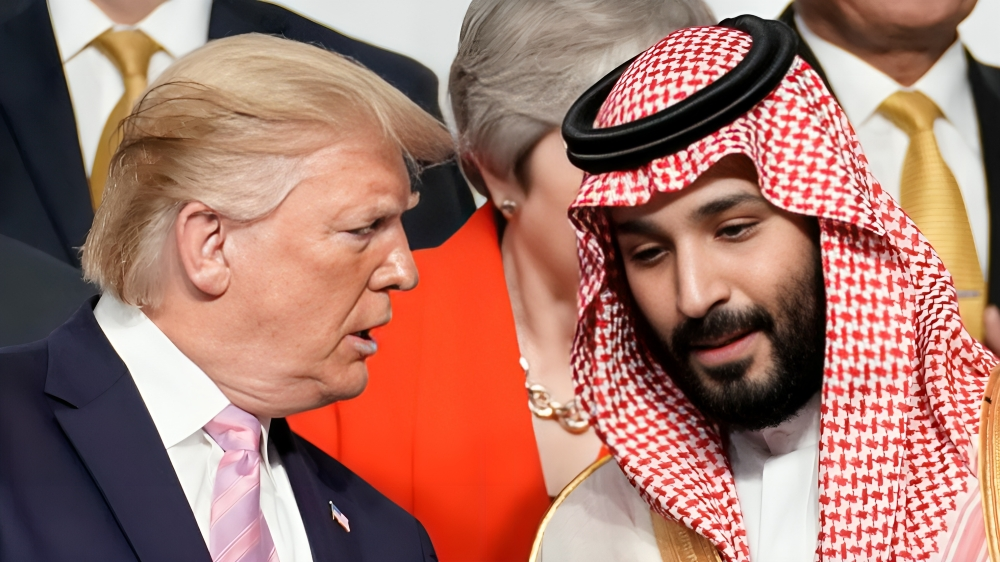
As the conflict in West Asia enters its fourth week, attention has turned to Saudi Crown Prince Mohammed bin Salman and his reported role in shaping US thinking on Iran. A New York Times report says MBS urged US President Donald Trump to continue military action, describing the moment as a “historic opportunity” to reshape the region.
Citing people briefed on the discussions, the report says the Saudi leader argued that Iran poses a long-term threat to Gulf countries and that only a change in leadership in Tehran can remove that risk. He is also said to have backed strikes on Iran’s energy infrastructure and, in some conversations, even raised the option of deploying ground forces.
Trump backs ally, Saudi denies claims
Soon after the report, Trump praised the Saudi Crown Prince. “He’s a warrior. He’s fighting with us, by the way. Saudi Arabia has been excellent,” he said.
Saudi Arabia, however, rejected the suggestion that it is pushing for a prolonged war. In a statement, the government said, “The kingdom of Saudi Arabia has always supported a peaceful resolution to this conflict, even before it began.”
'We agreed to stay in touch regarding efforts towards...': Trump calls Modi as Hormuz tensions rise, peace talks discussed
This is not the first time such claims have surfaced. A Washington Post report earlier suggested that Trump’s decision to strike Iran followed weeks of lobbying by two key regional allies, Israel and Saudi Arabia.
JUST IN: TRUMP SAYS SAUDI ARABIA IS FIGHTING IRAN WITH THEM
— Sulaiman Ahmed (@ShaykhSulaiman) March 24, 2026
Reporter: Is MBS encouraging you to do certain things related to Iran?
Trump: He does, he is a warrior. He is fighting with us, by the way. pic.twitter.com/KqsOZh4UZy
Conflict enters fourth week
The crisis began after joint US-Israeli strikes on Iran on February 28, including the killing of 86-year-old Supreme Leader Ayatollah Ali Khamenei. Iran responded by targeting US and Israeli assets across several Gulf countries, escalating tensions and widening the conflict.
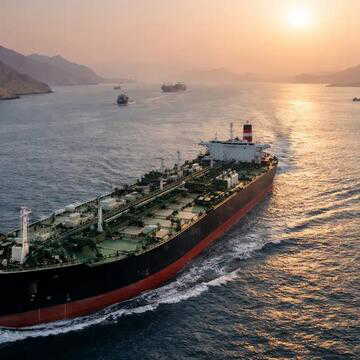
The fallout has disrupted key trade routes through the Strait of Hormuz and rattled global energy markets.
Saudi stakes and economic concerns
The situation carries significant risks for Saudi Arabia. The kingdom is trying to reposition itself as a global investment and tourism hub under its Vision 2030 plan, which depends heavily on regional stability.
Past attacks have highlighted its vulnerability. In 2019, drone and missile strikes linked to Iran hit Saudi Aramco facilities at Abqaiq and Khurais, briefly knocking out 5.7 million barrels per day of production.
Also Read | Philippines declares ‘national energy emergency’ amid West Asia conflict
While Saudi Arabia had recently moved towards a diplomatic thaw with Iran, the current conflict appears to have strained that fragile understanding. Regional officials, quoted in the NYT report, said trust between Gulf states and Iran has “completely shattered.”
The tensions reflect a long-standing contest between Saudi Arabia and Iran for influence in the region. Often described as a “new Cold War,” the rivalry is shaped by both strategic interests and sectarian divides, with Saudi Arabia aligned with Sunni Islam and Iran with Shia Islam.
Diplomatic ties between the two countries were cut from 2016 to 2023 following incidents, including the execution of Shia cleric Nimr al-Nimr and attacks on Saudi diplomatic missions in Iran.
Wider diplomatic moves
Even as tensions rise, diplomatic engagements continue. British Prime Minister Keir Starmer recently spoke with Mohammed bin Salman, reaffirming support for Saudi Arabia and discussing the deployment of additional UK defensive military equipment. Starmer described “Iran's ongoing attacks, including on critical national infrastructure, were appalling.”
While reports point to strong private messaging from Saudi leadership, official statements continue to emphasise de-escalation.