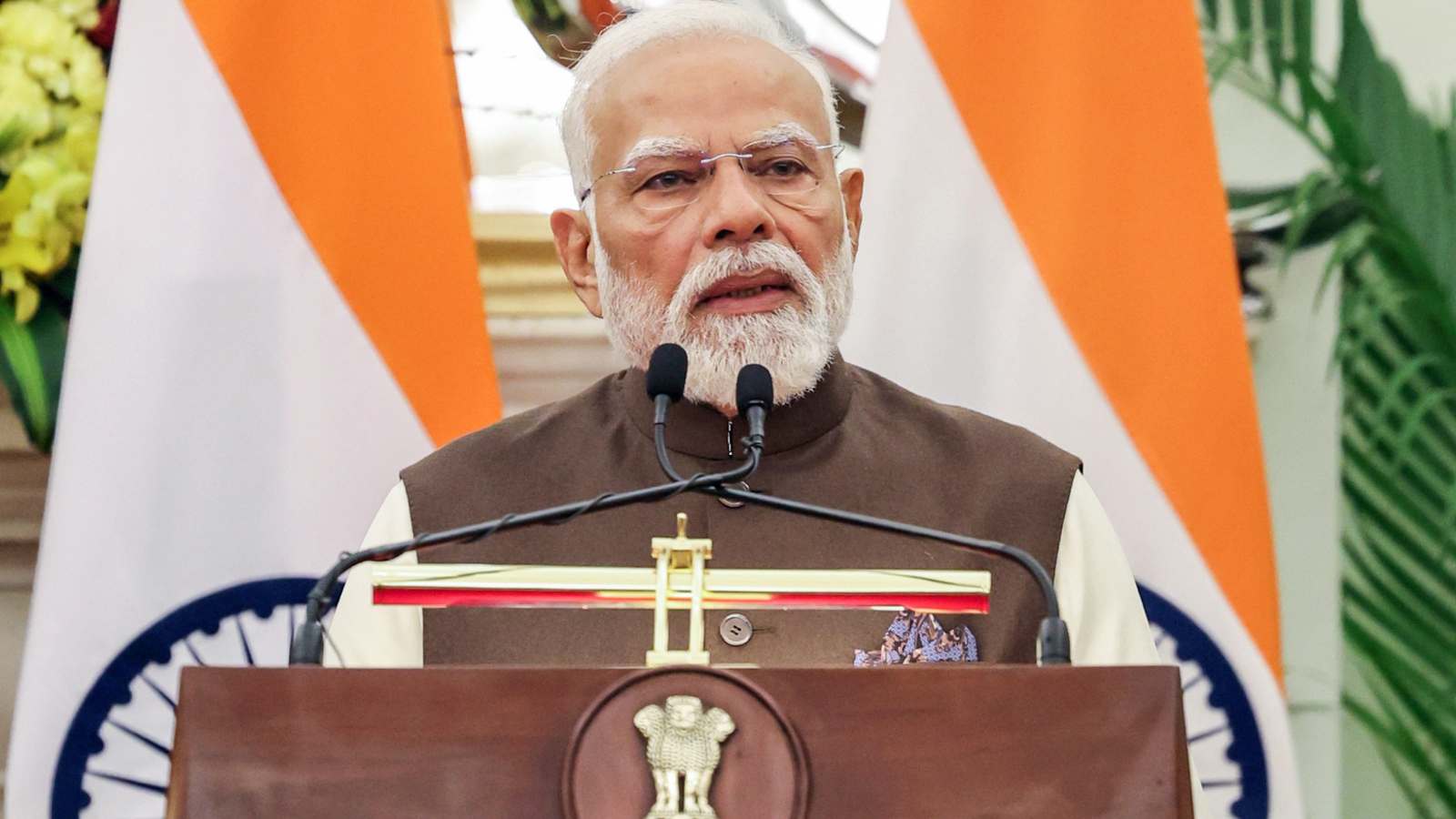
Prime Minister Narendra Modi on Thursday held separate telephonic conversations with leaders of Qatar, France, Jordan, Oman and Malaysia, voicing concern over the escalating tensions in West Asia and stressing the need for dialogue and diplomacy. He also strongly condemned attacks on energy infrastructure, warning that such actions could trigger further instability.
Push for dialogue and de-escalation
Reportedly, in his conversations, Modi underlined the urgency of restoring peace, security and stability in the region. He called for sustained diplomatic engagement and emphasised the importance of ensuring safe and free movement through the Strait of Hormuz, a key global energy route.
Qatar: Support and concern over energy attacks
Speaking with Qatar’s Amir, Tamim bin Hamad Al Thani, Modi reaffirmed India’s support and condemned the attacks on energy infrastructure. “Expressed gratitude for the care and support provided to the Indian community and hoped for peace and stability to prevail in the region. We stand for safe and free navigation through the Strait of Hormuz,” he said.
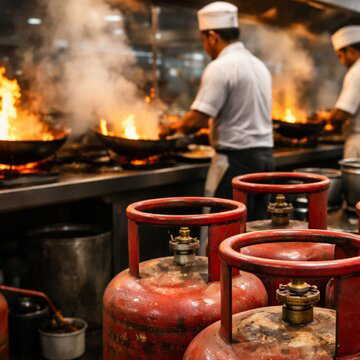
Also Read | Commercial LPG crunch hits Delhi eateries, menus cut, and losses rise
Jordan: ‘Attacks are condemnable’
During his call with King Abdullah II, whom he addressed as “my brother”, Modi conveyed advance Eid greetings and flagged concerns over the situation. “We expressed concern at the evolving situation in West Asia and highlighted the need for dialogue and diplomacy for the early restoration of peace, security and stability in the region. Attacks on energy infrastructure in West Asia are condemnable and can lead to avoidable escalation,” he said. He also noted that both countries support the smooth movement of goods and energy and appreciated Jordan’s help in facilitating the return of stranded Indians. “Deeply appreciated Jordan's efforts in facilitating the safe return of Indians stranded in the region,” he said.
France: Close coordination for stability
Modi also spoke with French President Emmanuel Macron, highlighting the need for de-escalation. “Spoke with my dear friend, President Emmanuel Macron, on the situation in West Asia and the urgent need for de-escalation, as well as a return to dialogue and diplomacy. We look forward to continuing our close coordination to advance peace and stability in the region and beyond,” he said. Macron responded, "Thank you, my dear friend. India and France are working closely together to reduce tensions in the region and to keep diplomacy at the heart of our efforts for peace.”
Also Read | Delhi records wettest March in years as unusual weather grips capital, IMD explains why
Oman and Malaysia: Shared call for peace
In talks with Oman’s Sultan Haitham bin Tariq, Modi described the exchange as a “productive conversation” and reiterated the need to prioritise diplomacy. He also reaffirmed India’s position against any violation of Oman’s sovereignty and praised its role in assisting evacuations.
With Malaysian Prime Minister Anwar Ibrahim, Modi conveyed greetings ahead of Hari Raya Aidilfitri and discussed “the deeply concerning situation in West Asia”, reaffirming a shared commitment to de-escalation through dialogue.
Also Read | Delhi plans new Yamuna bridge, Gandhi Nagar market redevelopment on cards
Background: Rising conflict in the region
The outreach comes amid heightened tensions, with Iran stepping up attacks on oil and gas facilities across the Gulf following an Israeli strike on the South Pars gas field. US President Donald Trump warned that America would “massively blow up the entirety” of Iran’s gas field if attacks continue. At the same time, Israeli Prime Minister Benjamin Netanyahu said Iran can no longer enrich uranium or produce ballistic missiles.