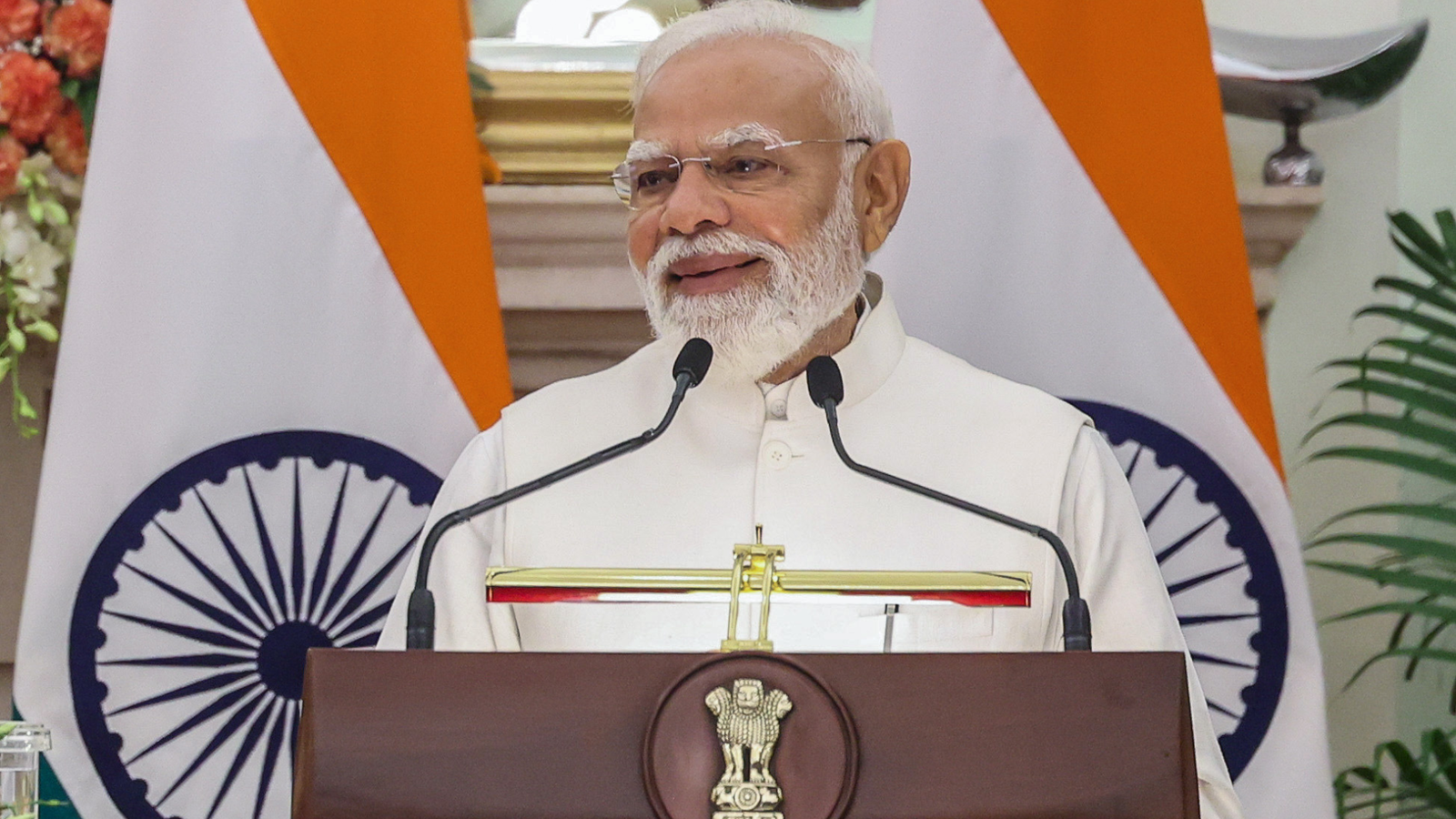
Prime Minister Narendra Modi is set to become India’s longest continuously serving democratically elected Prime Minister on June 10, surpassing the record held by independent India’s first Prime Minister, Jawaharlal Nehru.
Modi, who first took oath as Prime Minister on May 26, 2014, will complete 4,399 consecutive days in office on June 10. This will take him past Nehru’s record of 4,398 days, which lasted from May 13, 1952, until his death on May 27, 1964.
Also Read | Massive fire at Delhi restaurant kills at least 20, PM Modi announces aid
Modi set to surpass Nehru’s record
The milestone adds another chapter to Modi’s political journey. In July 2025, he had already overtaken Indira Gandhi’s uninterrupted tenure record of 4,077 days, served between January 24, 1966, and March 24, 1977.
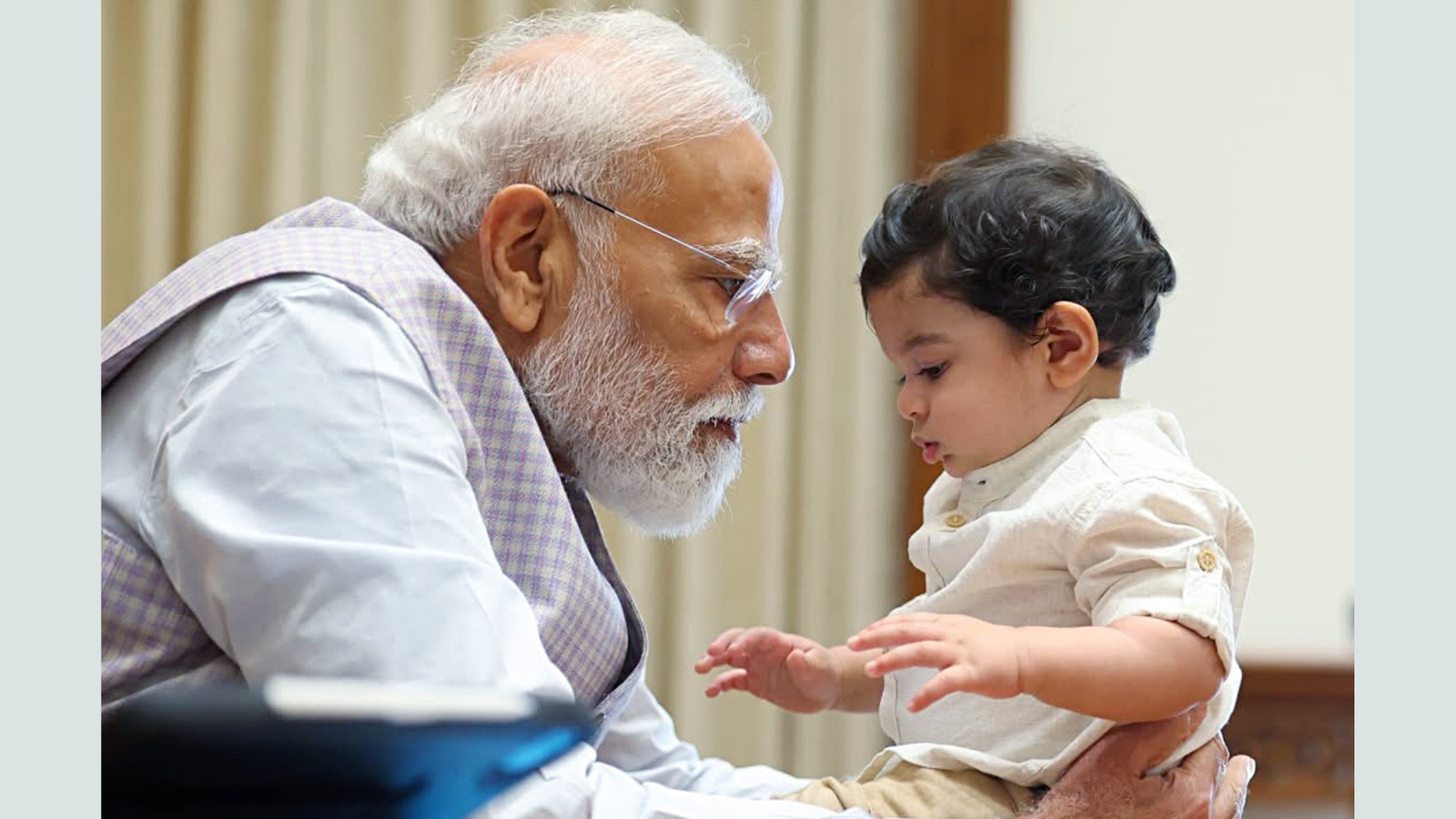 Prime Minister Narendra Modi shares a heartwarming moment with a toddler. File image/ANI
 The political landscape during Modi’s tenure has been vastly different from the one Nehru governed in during India’s early post-Independence years.
When Nehru became Prime Minister after the country’s first general elections in 1952, India’s population was around 34 crore. By the time Modi took office in 2014, the population had crossed 131 crore and has since grown to more than 146 crore.
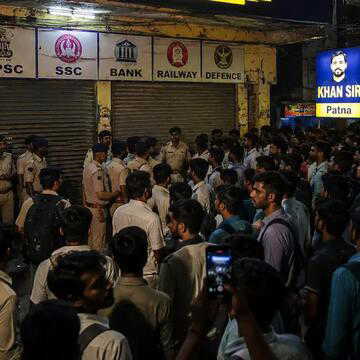
Also Read | CCTV captures attack on Khan Sir’s coaching institute in Patna
India’s democracy has expanded significantly
The scale of Indian elections has also changed dramatically over the decades. Around 53 political parties contested the first general election in 1951-52. That number rose to 464 in 2014 and further increased to 744 parties during the 2024 Lok Sabha elections.
The electorate has also expanded sharply, from nearly 17 crore voters in India’s first election to over 83 crore voters by 2014.
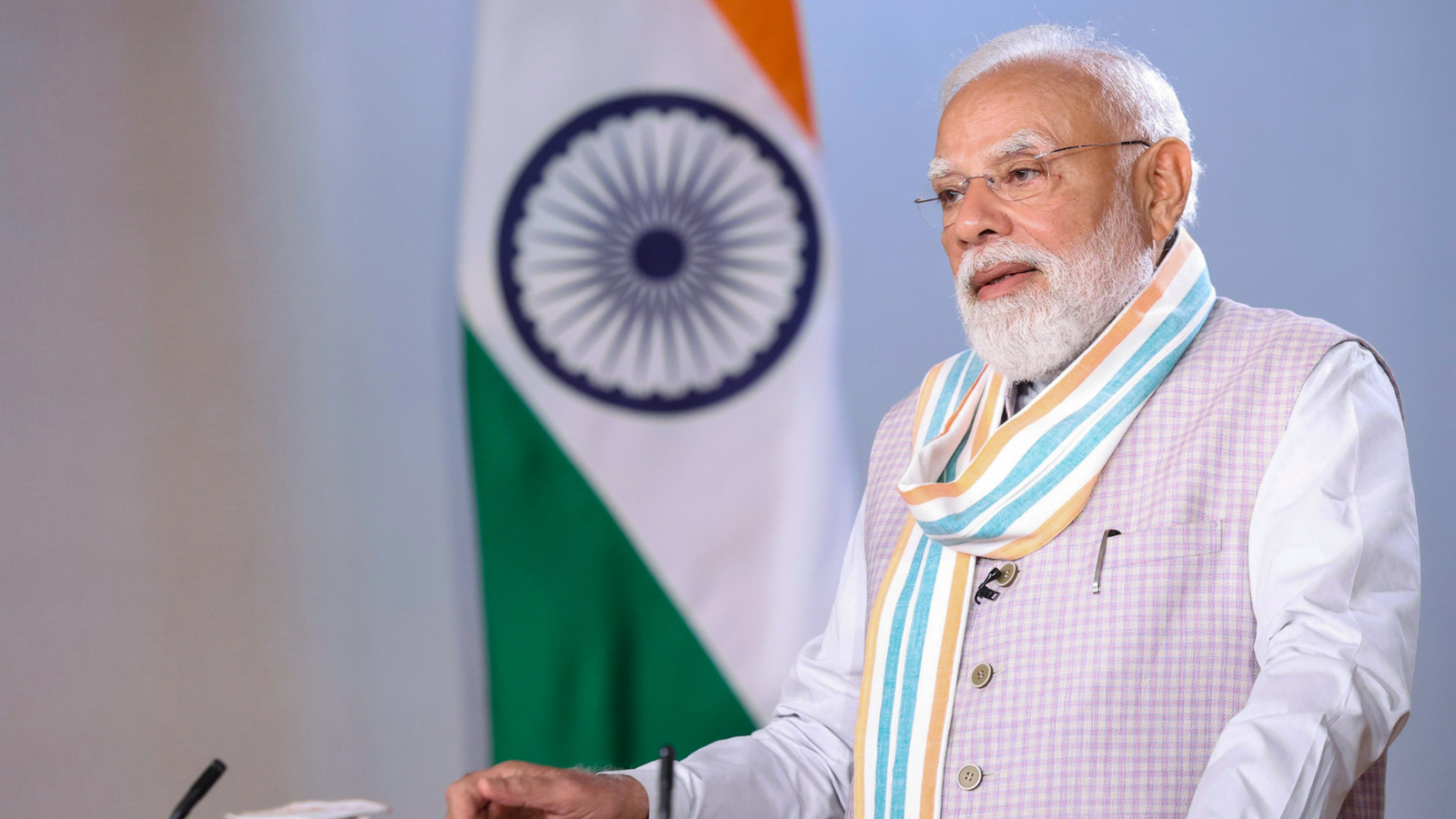 File image/ANI
 Nehru governed in a Congress-dominated era, with the party winning 364 of 489 Lok Sabha seats in the 1952 elections. Modi, on the other hand, has led the country during a period marked by coalition politics, regional parties and constant digital scrutiny.
Records during Modi’s tenure
Modi is also the first non-Congress Prime Minister to complete two consecutive full-majority terms. He is the first Prime Minister after Nehru to win three consecutive Lok Sabha elections as the incumbent leader.
Also Read | Who is Prashant Lokhande? IAS officer takes charge as new CBSE chairman
During his tenure, the number of IITs increased from 16 to 23, IIMs from 13 to 21 and AIIMS institutions from seven to 23 between 2014 and 2026.
Earlier this year, Modi also became India’s longest-serving elected head of government when his combined tenure as Gujarat chief minister and prime minister crossed 8,930 days.