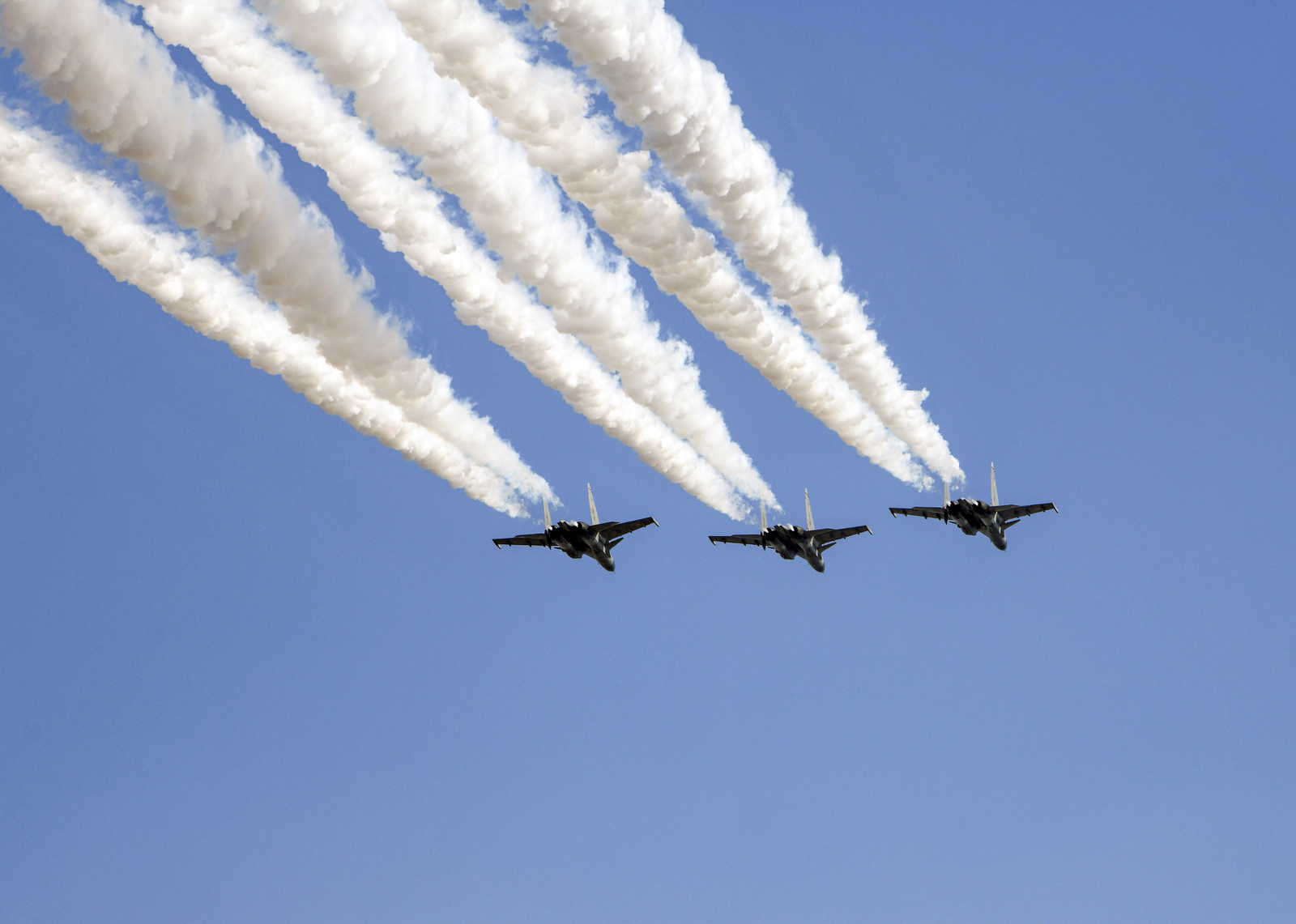
As rehearsals for the Republic Day flypast over Kartavya Path gain momentum, an unusual yet well-planned operation is in full swing on the ground. In coordination with the Indian Air Force, the Delhi Forest Department is laying out over 1,270 kg of boneless chicken across selected parts of the capital to minimise the chances of bird strikes during aerial manoeuvres on January 26.
Why birds matter in low-altitude flying
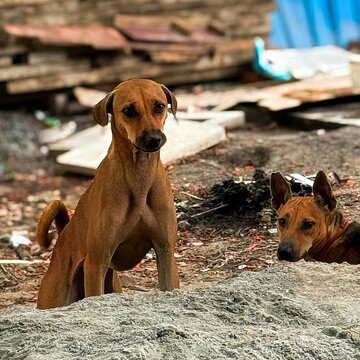
The Delhi urban landscape is home to a large population of the raptor species called the black kite, which can be seen circling above every open area. During high-speed, low-altitude flights, these birds become an immediate and serious threat to aircraft such as the Rafale and Sukhoi-30MKI. In mitigating this risk, the authorities apply one important biological principle: birds will stay where food is predictable.
Also Read | 77th Republic Day 2026: How to book tickets, schedule, what to expect and more
The ‘meat-tossing’ strategy
The intervention consists of scattering small, 20–30-gram pieces of boneless chicken at 20 designated locations lying away from the flight corridors. Officials also feel that by feeding the kites consistently at lower altitudes and outside the air show routes, the birds would remain busy and not drift into sensitive airspace. The exercise that began on January 15 will continue through the rehearsals and the main parade.
A change in protocol this year
While meat-tossing has been part of Republic Day preparations for years, 2026 marks a shift in materials. For the first time, boneless chicken has replaced buffalo meat. According to authorities, the change streamlines handling and distribution while meeting wildlife management needs. In all, 1,275 kg of chicken is being delivered in phases to the Wildlife Rescue Centre in Wazirabad. The highest deployment, of about 255 kg, is slated for January 22, the day of the full-dress rehearsal.
Also Read | Ahead of National Startup Day, government eyes big corporates to power next-generation technologies
Reportedly, the feeding sites are selected based on long-term data regarding the concentration of birds. The areas around the Red Fort and Jama Masjid get priority, as do known hotspots near Mandi House and Delhi Gate. A predictable feeding pattern is created days in advance of the parade itself, as authorities condition the birds to expect food at certain points.