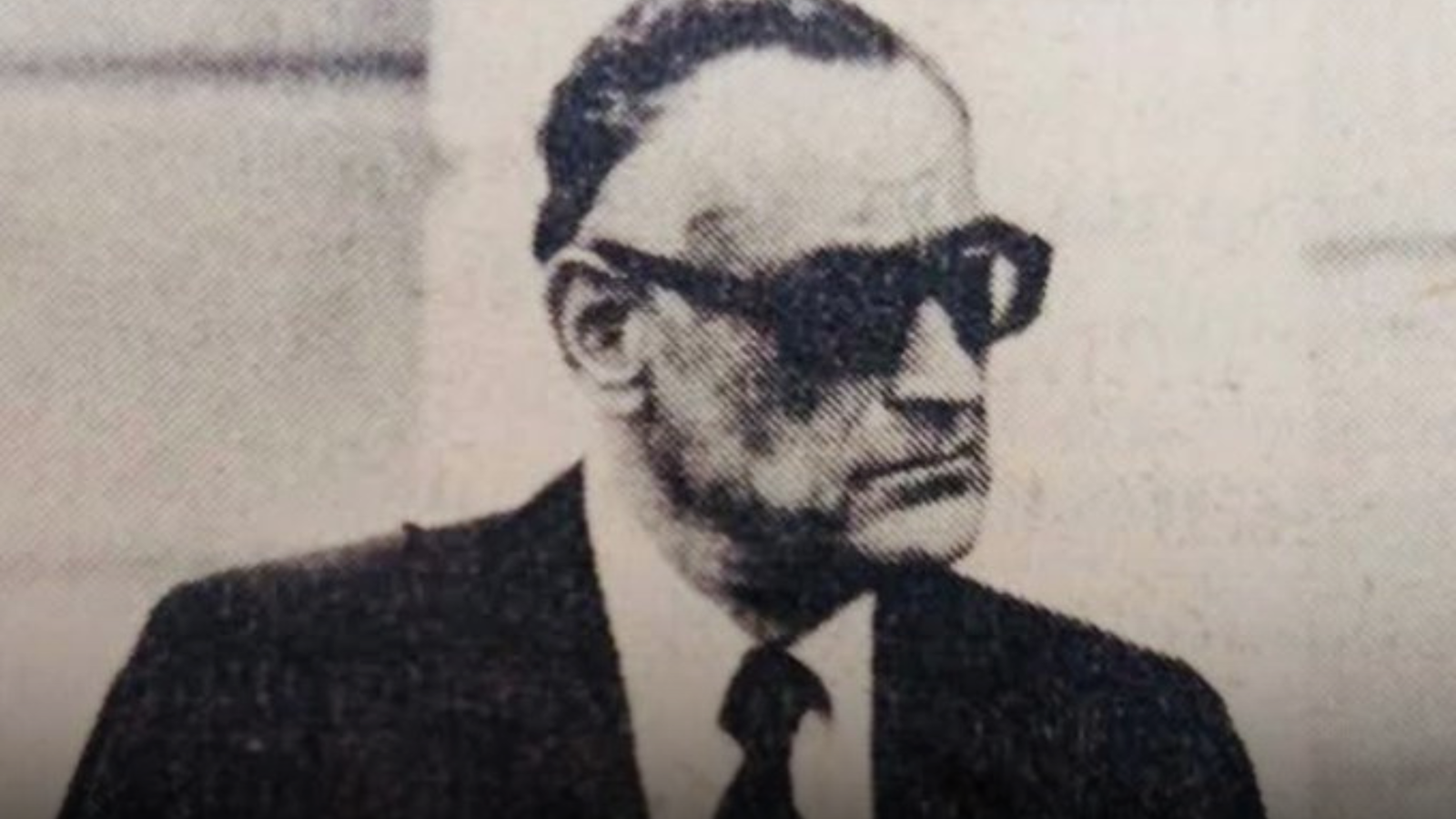
In the world of intelligence, where success often remains hidden, Rameshwar Nath Kao stands as a towering figure. Known as the founding chief of RAW, Kao built India’s external intelligence agency at a time when the country needed it the most. His approach was calm and methodical. He believed in precision and patience.
Meet RN Kao, India's silent honour bearer
Born on May 10, 1918, in Varanasi, Kao began his career with the Intelligence Bureau in 1940. Within a few years, he rose steadily and became assistant director by 1948. His early years shaped his understanding of intelligence work at a time when India was still defining its security structure after Independence.
The setbacks in the 1962 and 1965 wars exposed gaps in India’s intelligence system. Recognising this, Prime Minister Indira Gandhi set up RAW in 1968 and entrusted Kao with the responsibility of leading it. He started with a small, carefully chosen team of around 250 officers and focused on building a disciplined and reliable network.
The 1971 war and intelligence precision
Kao’s role became crucial in the lead-up to the 1971 Bangladesh Liberation War. He had already assessed that tensions in East Pakistan would escalate into a military crackdown. Under his leadership, RAW trained nearly one lakh Mukti Vahini fighters and established a strong intelligence presence on the ground.
His inputs helped India stay prepared as the situation moved towards war. One widely noted instance showed the accuracy of his intelligence. When there was confusion over the timing of an expected attack, Kao stood by his input and advised waiting another day. The action followed exactly as predicted, reinforcing confidence in RAW’s field intelligence.
Beyond the 1971 war, Kao also handled sensitive operations such as Sikkim’s merger with India. The move was planned with a small group of top officials, including Indira Gandhi and PN Haksar, and was carried out without bloodshed despite tensions in the region.
Reportedly, he also built international intelligence links, maintaining contacts with agencies like the CIA and KGB, along with networks in Iran, Afghanistan and China. These connections helped India access critical information during a shifting global landscape.
A life away from the spotlight
Kao was known for his quiet working style. He avoided public attention and rarely spoke about his work. He was also closely involved in the Prime Minister’s security during foreign visits, focusing on even the smallest details.
Even after retirement, he continued to advise the government. His influence shaped India’s intelligence framework for years, leaving behind a system that continues to guide national security decisions.