The question of whether authorities can requisition private vehicles to perform their election-related duties often comes up during the polling process. The answer to this lies in the provisions of the Representation of the People Act, 1951, which gives election officials the power to requisition vehicles under certain conditions.
What the law allows
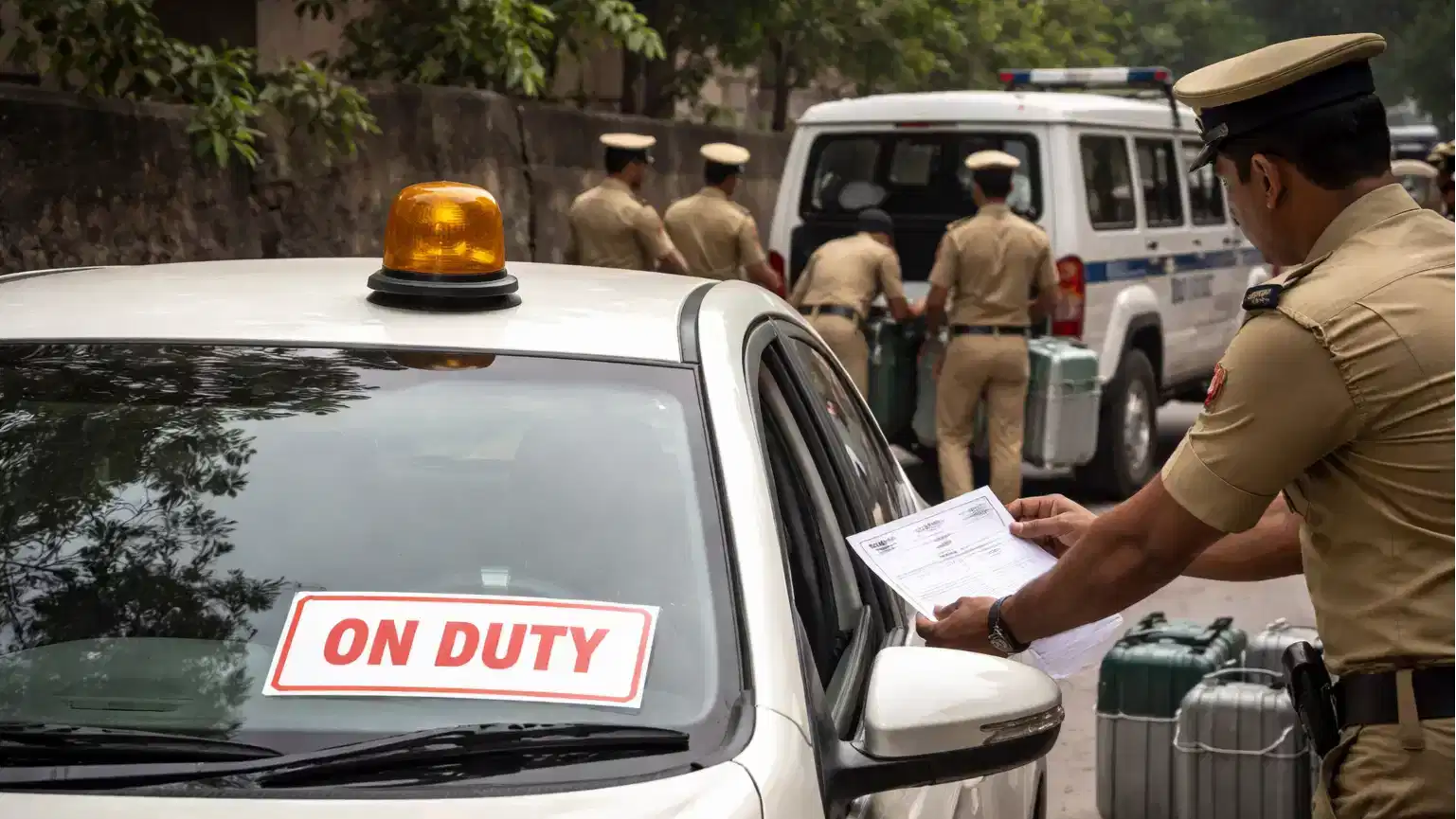
Under the Representation of the People Act, 1951, district authorities may requisition vehicles to transport polling personnel, ballot materials or security forces in the course of conducting the election. This power is usually comes through orders issued formally by the District Election Officer or authorised officials.
Also Read | Name missing from voter list? Here’s how to check and what to do next
However, the law has certain limits and does not allow and grant unrestricted authority to take any vehicle without considering its nature or use.
According to media reports, in February this year, police sources said that although election dates had not been announced, instructions were issued to arrange around 6,000 vehicles across 27 traffic guard areas in Kolkata. Of these, about 1,500 would be buses and the rest smaller vehicles, to be used for transporting Central Forces for route marches, area domination, and other election-related duties.
What courts have said
One of the main evidences regarding this matter was provided by the High Court of Calcutta. In a landmark decision in the case of Anirban Ghosh vs District Election Officer (2006), it was pronounced that vehicles designated solely for private usage cannot be requisitioned by an officer as part of the election duties.
Therefore, while state authorities have considerable latitude in their duties during elections, every individual also retains their rights to reasonable use of their private property.
Recent incident raises questions
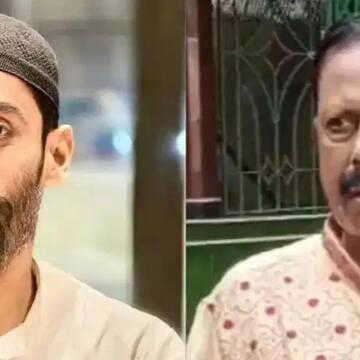
The issue has come into focus again following a recent incident involving Aritra Dutta Banik, a social activist and actor. He alleged that his vehicle was stopped and questioned for possible election duty requisition.
Speaking about the incident, Banik said, "I will be filing a complaint today on this incident with the Barrackpore Police Commissionerate, based on the inconvenience faced by me. I do not feel I was singled out or targeted by the police officer, but the reasons cited by him or the operating procedure appeared questionable," Aritra Dutta Banik told News Ei Samay.
The incident has drawn attention to how procedures are implemented on the ground and whether officials are adhering to established legal guidelines.
Also Read | Election Commission transfers 73 returning officers in one go, includes CM Mamata's constituency too
What vehicle owners should know
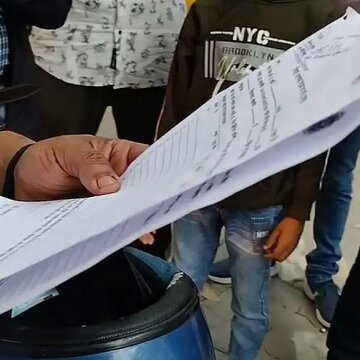
There is an established process that must be followed when the police and other government officials request vehicles. The first step usually consists of issuing a written order and verifying that the vehicles are an acceptable means of providing the required services.
All owners who will be providing their vehicles for government service are also entitled to be compensated under the Motor Vehicles Act, as informed by the Supreme Court, reported Deccan Herald.
The court noted Section 160 of the Representation of the Peoples Act, 1950 grants power to the State to requisition premises and vehicles. The provision, however, does not expressly authorise the requisition of manpower such as driver. In practice, however, vehicles are often placed at the disposal of the authorities along with their drivers, in view of operational convenience, it pointed out.
"It is a reasonable conclusion that by accepting and utilising the services of the driver, the authorities implicitly recognised such a driver’s competence, capacity and ability to operate the vehicle," the SC bench said.
Also Read | 'Do not consider BJP as an opponent': TMC candidate Birbaha Hansda downplays contest in Binpur
As a rule, logistical support associated with an election has a very large scale. There are also certain legal protections put into place to protect individuals, including citizens and their property, from the unlawful or unreasonable actions of government officials.
Additionally, personal vehicles used strictly for private purposes may not fall within the scope of requisition, as clarified by the Calcutta High Court. Recognising those protections can empower citizens to act if the need arises for them to do so.