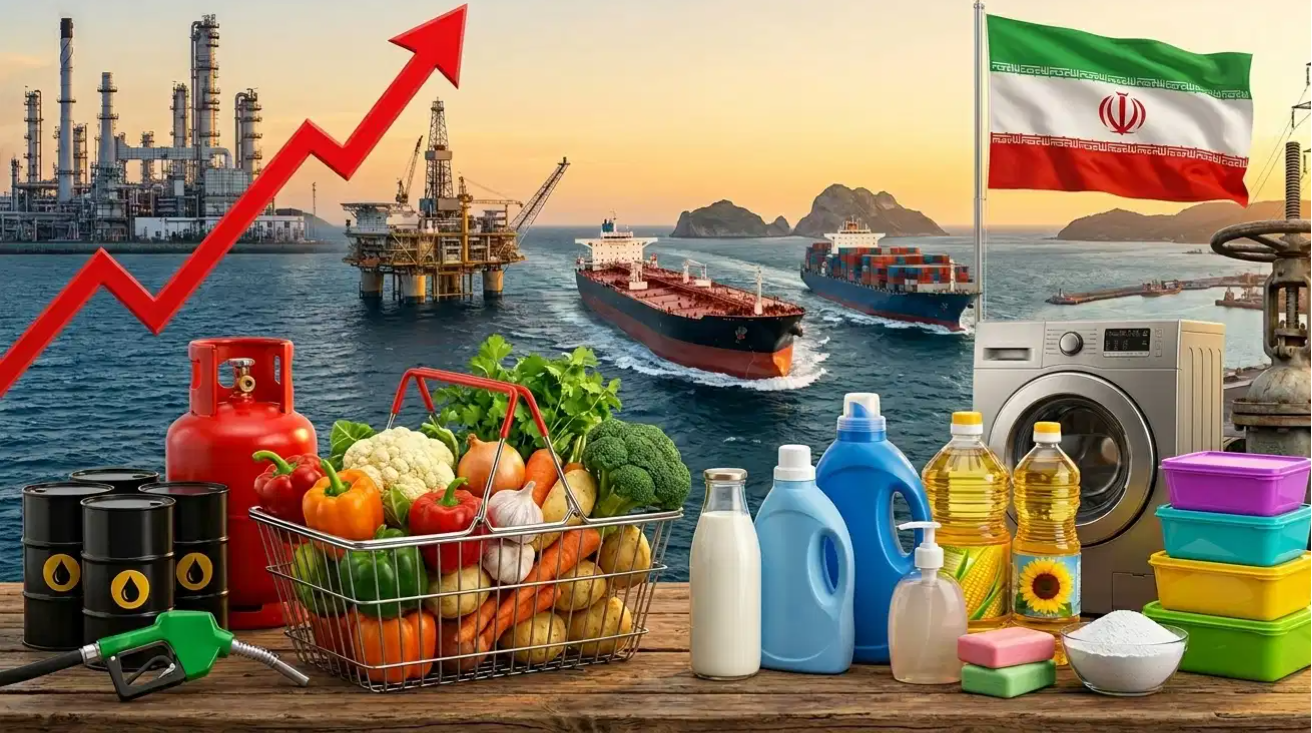
Iran's decision to close the Strait of Hormuz amid escalating tensions with the United States has triggered fresh concerns in global energy markets. Oil prices have already risen by more than 2 per cent, and analysts warn that a prolonged disruption could push prices even higher, News 18 reported.
The Strait of Hormuz is one of the world's most important energy corridors. For India, the stakes are particularly high. The country imports around 88 per cent of its crude oil needs, with nearly half of those supplies linked to routes passing through Hormuz. A large share of India's LPG and LNG imports also transit the strait.
LPG, fuel prices may face immediate pressure
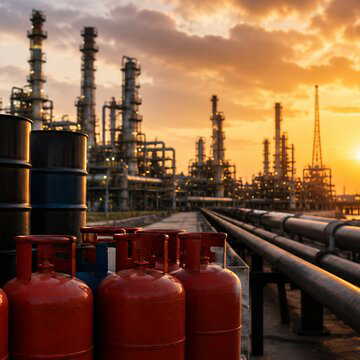
LPG cylinders
Cooking gas could be among the first products affected. India imports a significant portion of its LPG requirements from the Gulf region. Any disruption in supplies could increase import costs and put pressure on domestic prices and subsidy calculations.
Petrol and Diesel
Higher crude oil prices could eventually affect transport fuel costs. Even if retail prices do not rise immediately, sustained high crude prices would increase pressure on oil marketing companies and government finances.
Also Read | What is a demarche? All about India's protest to the US over Settebello vessel strike near Oman
Other household items that may become costlier
Mobile phones, appliances, and electronics
Higher fuel costs increase shipping expenses across global supply chains. Electronics also rely on petroleum-based components and plastics, making them vulnerable to price increases.
Milk, vegetables, and daily groceries
Most essential food items travel long distances before reaching consumers. Rising diesel prices can increase transportation costs, which may eventually be passed on to buyers.
Plastic household goods
Products such as buckets, containers, storage boxes, and water bottles are made using petroleum-derived materials. Rising petrochemical costs could lead to higher retail prices.
Packaged foods
Items such as biscuits, chips, edible oils, and instant noodles may face cost pressures due to higher transport expenses and packaging costs.
Soaps, detergents, and household cleaners
Many ingredients used in these products are derived from petrochemicals. Higher crude prices can raise manufacturing costs and eventually affect consumer prices.
India currently has strategic petroleum reserves and diversified sourcing options, including supplies from Russia, Africa, and Latin America. However, if the crisis continues and oil prices remain elevated for an extended period, consumers could face higher costs across a wide range of everyday goods.
Also Read | Three Indians dead, dozens rescued after merchant vessel attack off Oman
FAQs:
1.Why could everyday products become more expensive in India?
Rising oil prices linked to the Strait of Hormuz crisis could increase fuel, transport, and manufacturing costs.
2.Which product is likely to be affected first by higher oil prices?
LPG cylinders are among the most directly exposed products due to India's dependence on imports.