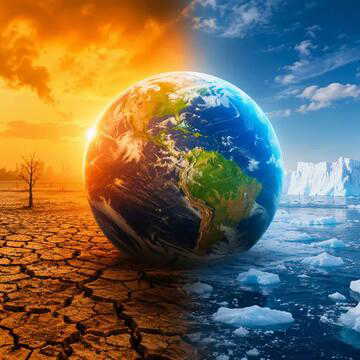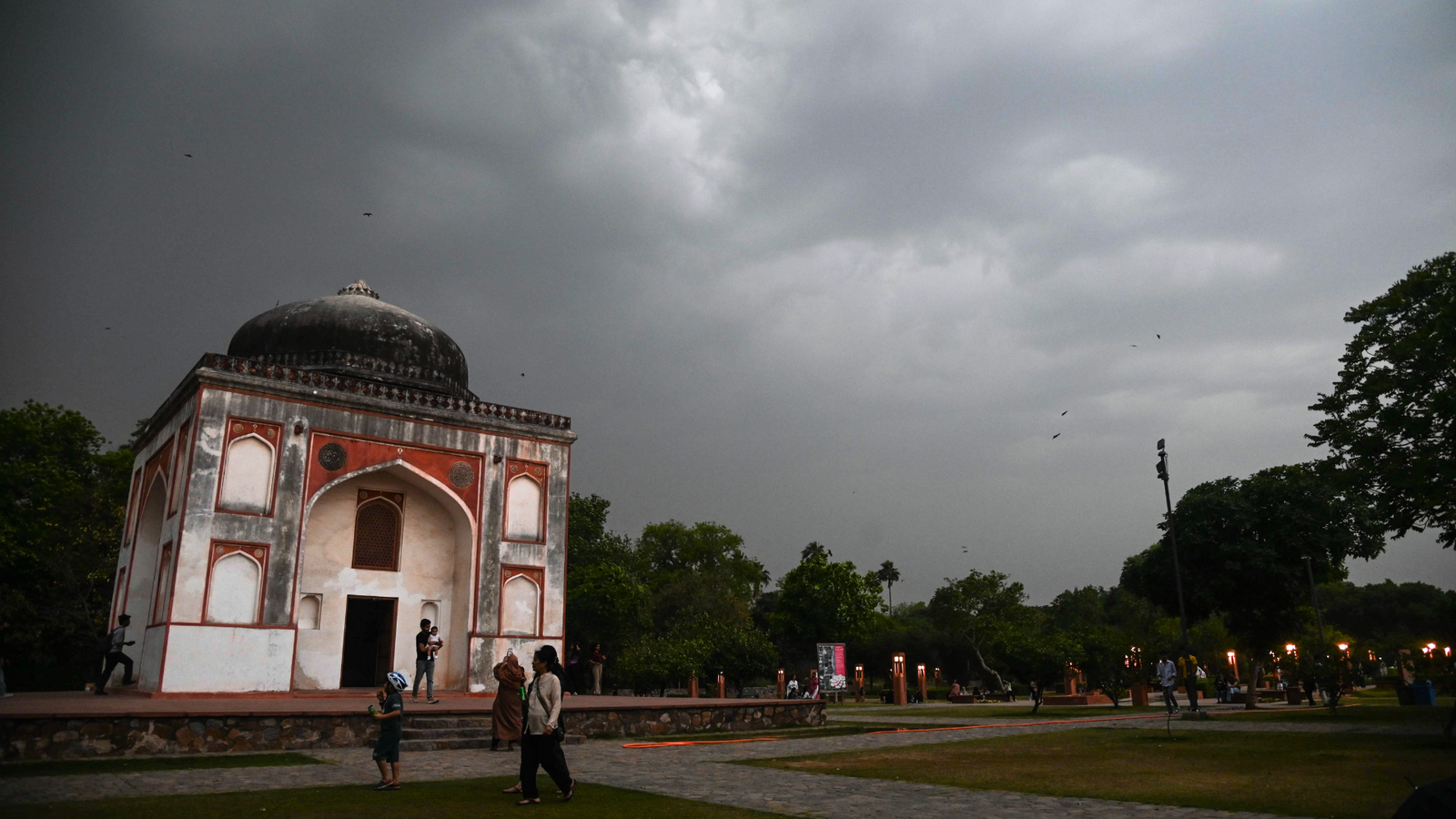
Japan’s meteorological agency has officially declared the onset of El Niño, a climate phenomenon known for disrupting weather patterns worldwide and often weakening India’s southwest monsoon.
The Japan Meteorological Agency (JMA) said on Wednesday that both oceanic and atmospheric conditions across the equatorial Pacific now reflect an active El Niño event. The development has drawn attention in India, where the monsoon season is still progressing, and rainfall remains a key concern for agriculture and water security.
India’s weather office has not yet issued a formal El Niño declaration but indicated that an announcement could come soon.
Also Read | Not El Nino, what's really causing Earth to heat up at a record pace?
“We will issue a statement soon based on the models we consult, on the onset of El Niño conditions,” said M Mohapatra, director general of IMD.
Monsoon forecast remains under pressure
Australia’s Bureau of Meteorology (BOM), in its June 9 assessment, also noted that Pacific Ocean conditions are approaching El Niño levels. According to the agency, sea surface temperatures in the central tropical Pacific have crossed El Niño thresholds, while atmospheric indicators are gradually moving in the same direction.
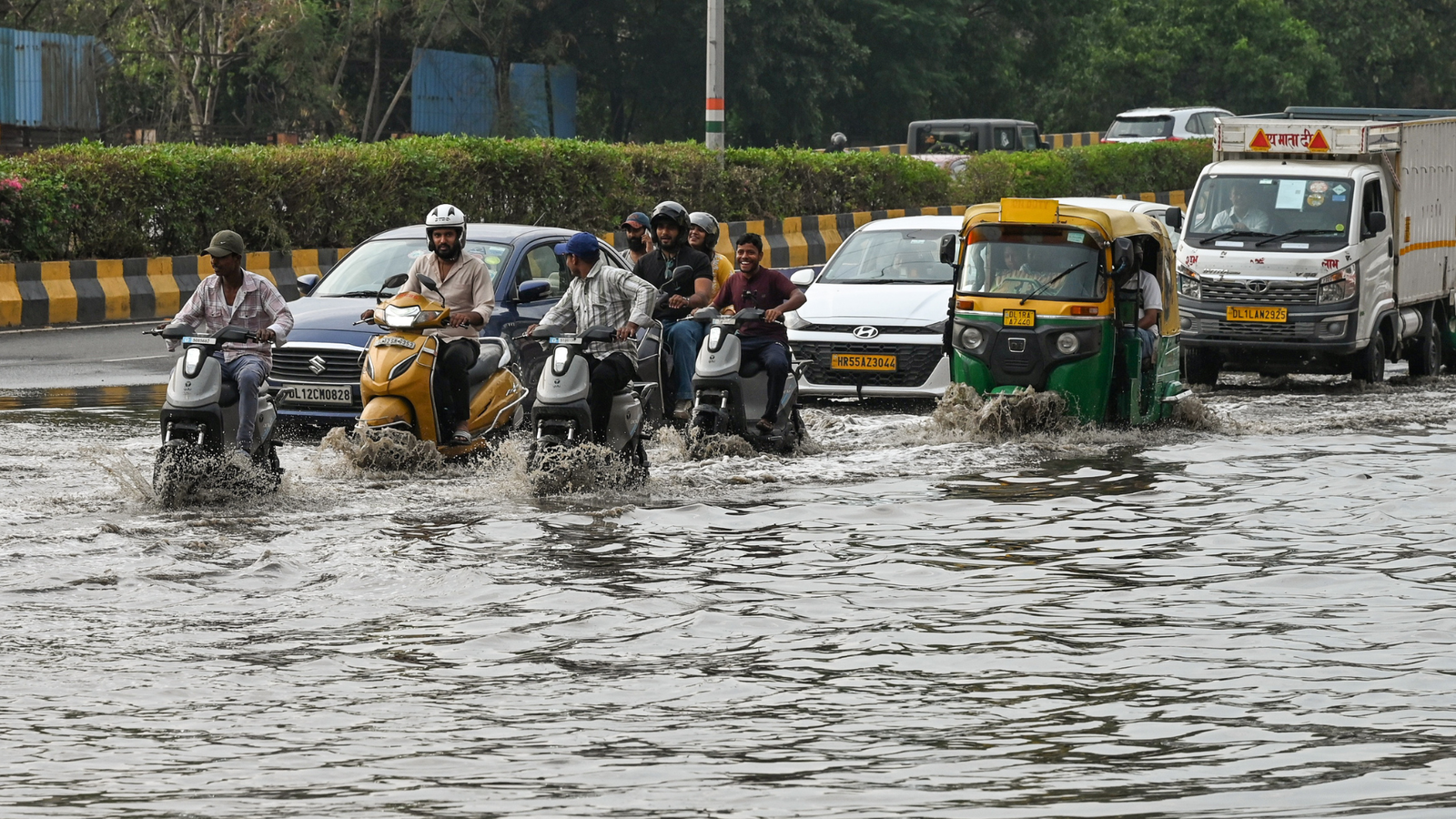 Monsoon concerns grow as El Nino officially takes shape in the Pacific. /ANI
 “Should this be sustained, an El Niño event is likely to become established,” BOM said.
The latest developments are in line with the India Meteorological Department’s revised seasonal outlook issued on May 29. The IMD has projected monsoon rainfall at 90% of the long-period average, down from its earlier estimate of 92%.
The forecast also points to a 60% probability of below-normal rainfall, particularly during the latter half of the monsoon season.
Why it matters for India
El Niño has historically been linked to weaker monsoons and hotter conditions across India. The current season has already seen a delayed monsoon onset over Kerala, while June rainfall is expected to remain below normal.
Also Read | Why is Delhi-NCR witnessing more violent dust storms this summer?
The stakes are high, as nearly half of India’s net-sown agricultural land depends on rainfall rather than irrigation. The monsoon also replenishes 91 major reservoirs that support drinking water supplies and power generation.
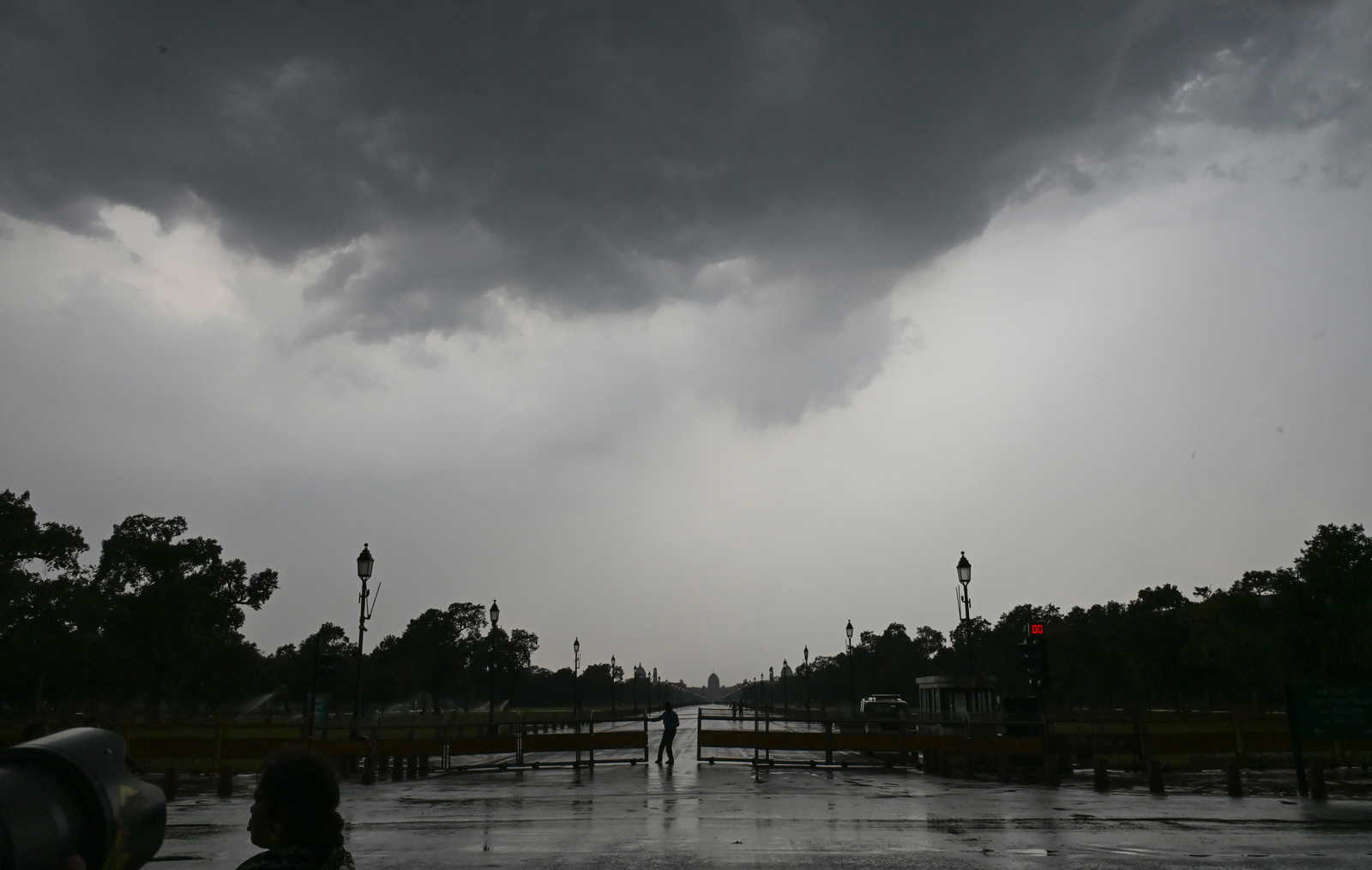 India braces for a challenging monsoon season as El Nino makes a comeback. /ANI
 The warning comes amid continued global warmth. According to the Copernicus Climate Change Service, May 2026 was the second warmest May ever recorded globally, trailing only May 2024.
“The world must treat it as the urgent climate warning it is,” UN Secretary-General António Guterres said on June 2.
Copernicus reported that the global average surface air temperature in May reached 15.81C, while average sea surface temperatures remained near record levels. Several European countries, including France, the UK, Ireland and Portugal, also experienced unusually intense early-season heatwaves during the month.