









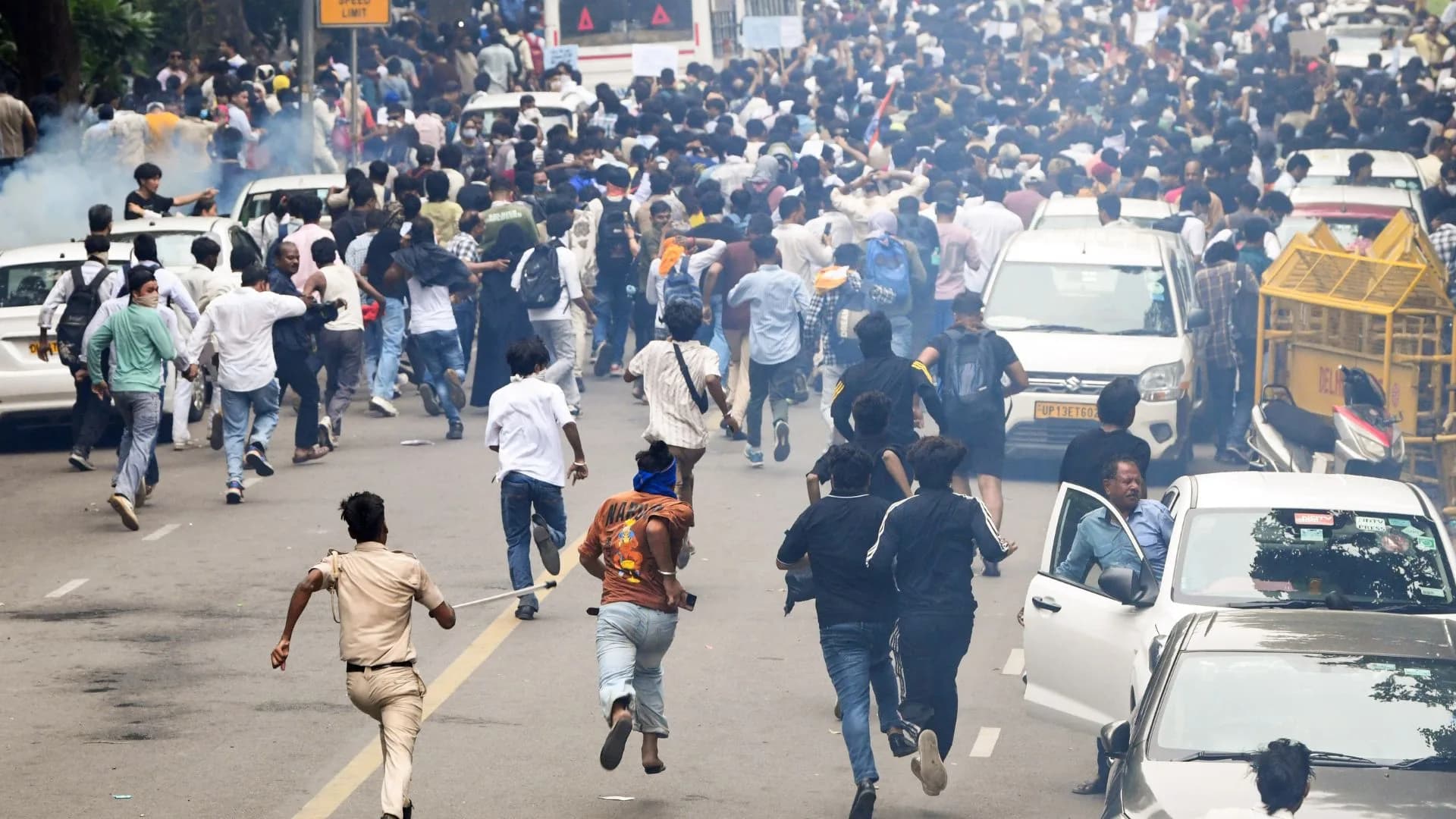









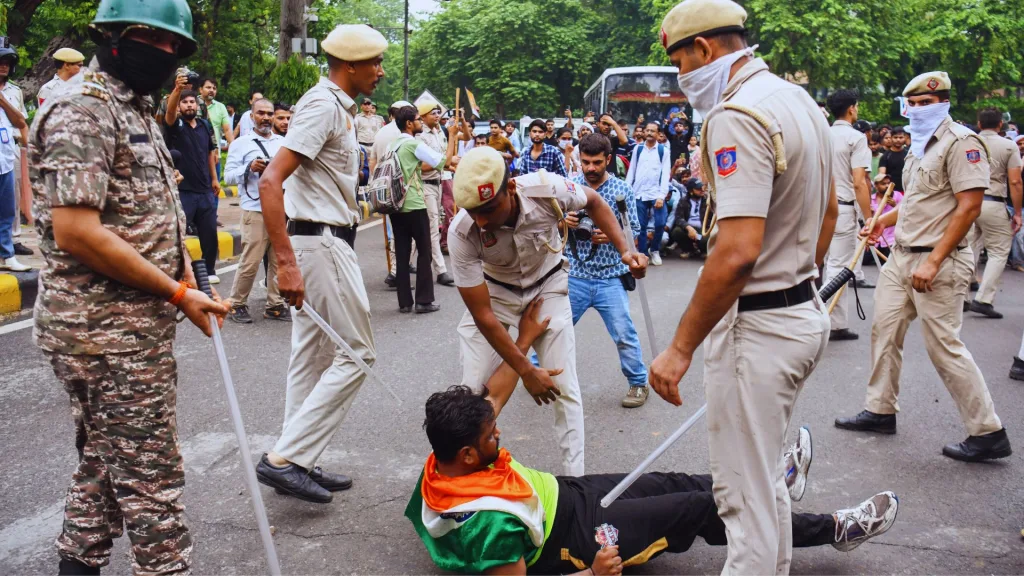
The Delhi Police’s use of tear gas at the CJP protest has emerged as a key point in the ongoing debate over the events of July 20, when thousands of Cockroach Janta Party (CJP) supporters marched towards Parliament during the Monsoon Session. According to senior police officials who were present on the ground, the first tear gas shell was fired only after protesters allegedly broke through police barricades at Patel Chowk and continued advancing despite repeated warnings. The incident has since become central to questions surrounding the use of force during the protest.
Delhi Police says barricade breach triggered action
The Delhi Police’s use of tear gas at the CJP protest reportedly began after demonstrators reached Patel Chowk from two separate routes originating near Jantar Mantar. Senior officers told News18 that protesters crossed security barricades and attempted to march towards Parliament despite prohibitory orders being in force.
Officials said the decision to deploy tear gas was not taken at the local level. According to officers on duty, the order was issued by a senior-ranking official above the level of Additional Commissioner or Joint Commissioner of Police.
Police maintain that repeated announcements were made asking protesters to disperse before anti-riot measures were initiated. They argue that Parliament was in session and additional security measures were necessary to protect public property and maintain order.
Also Read | BJP rejects reports of new Cabinet role for Dharmendra Pradhan
Protest took place despite restrictions
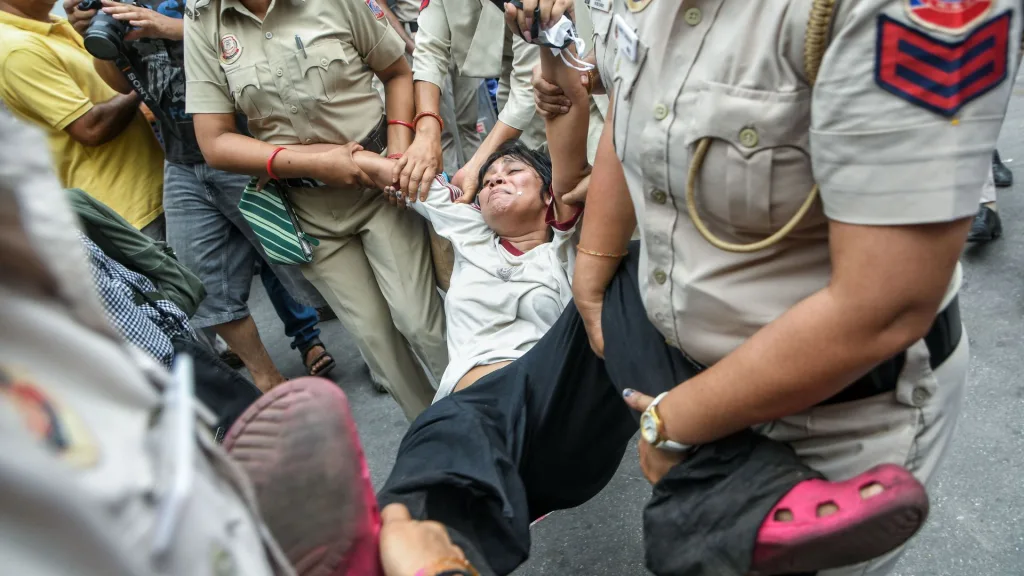
The Delhi Police’s use of tear gas at the CJP protest unfolded against the backdrop of restrictions imposed in central Delhi because of the Monsoon Session of Parliament.
A day before the march, Delhi Police had publicly stated that organisers had not obtained permission for the ‘Sansad Chalo’ protest. Authorities also reminded the public that prohibitory orders issued on June 24 would remain in effect until August 22.
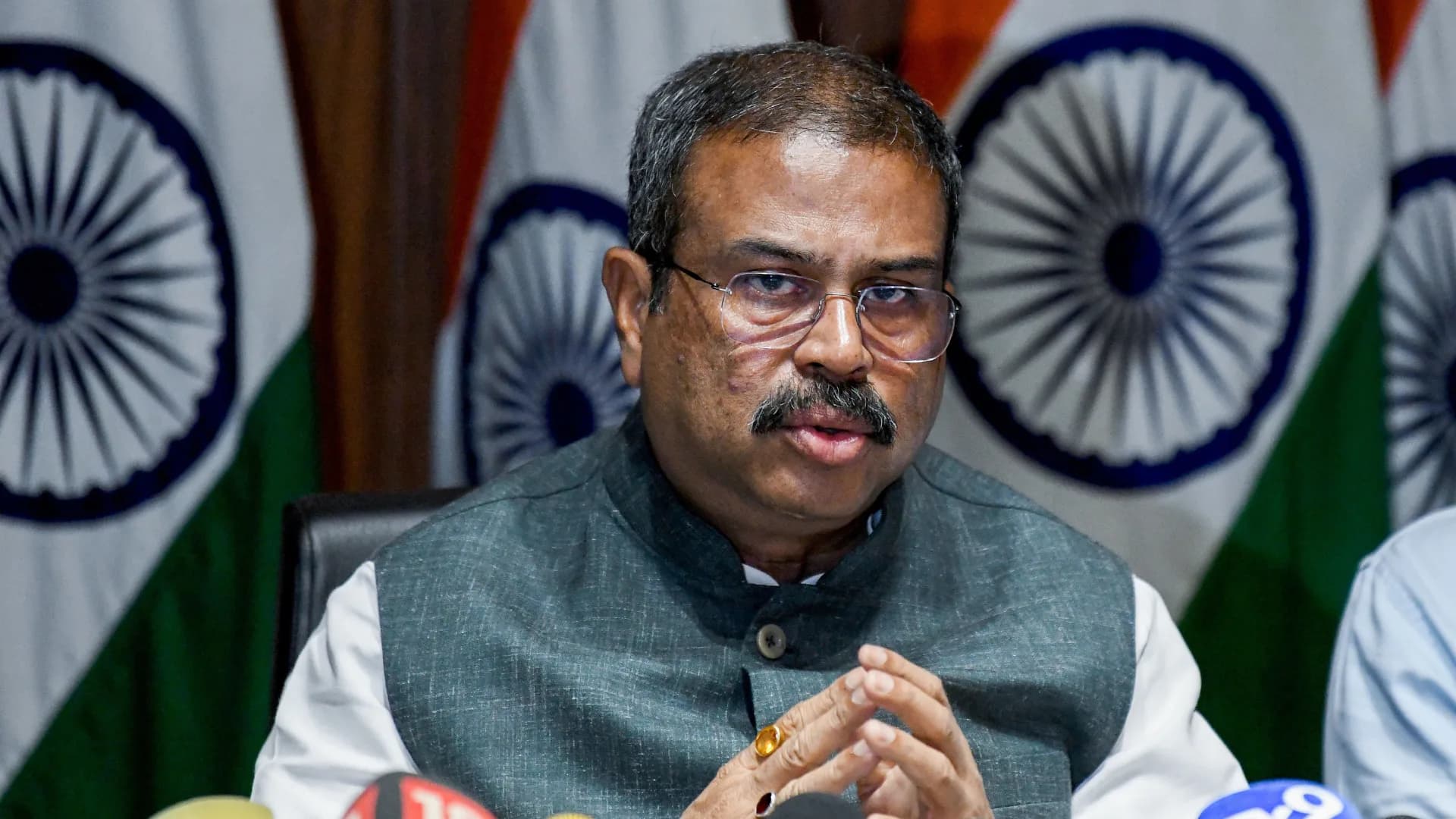
Despite these restrictions, protesters marched from Jantar Mantar using multiple routes before converging near Patel Chowk. The demonstration was organised to demand the resignation of the then Union Education Minister Dharmendra Pradhan.
Also Read | Rajasthan CM says youth ideas will shape government policies
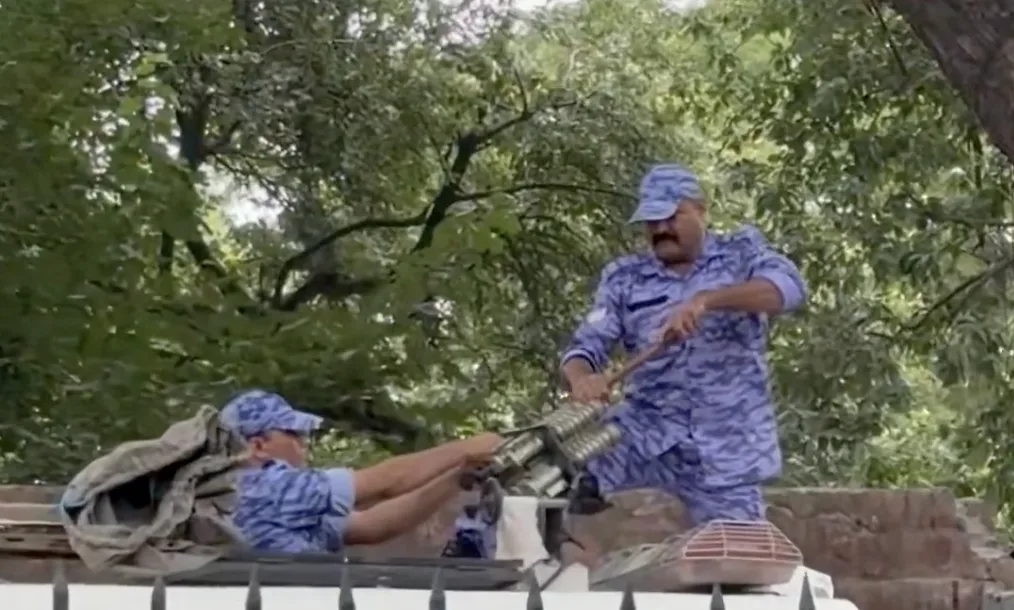
Questions over police response remain
The Delhi Police’s use of tear gas at the CJP protest continues to attract legal and political attention even as police defend their actions.
Officials have stated that the circumstances leading to the use of tear gas and other crowd-control measures will be examined as part of ongoing reviews. Meanwhile, opposition parties and civil rights groups have questioned whether the use of force was proportionate and necessary.
The July 20 confrontation has already led to multiple investigations and court proceedings, and the incident remains one of the most closely examined public order events of the year.
