


















Marriage has long been viewed as a lifelong commitment, but changing attitudes towards relationships are giving rise to new ideas. One such concept gaining attention is the starter marriage, a trend that sees a first marriage as an opportunity to understand long-term compatibility before committing for life.
The idea has sparked conversations across social media, podcasts and relationship forums, with supporters calling it a practical approach to modern relationships while critics argue it undermines the very institution of marriage.
What is a starter marriage?
A starter marriage refers to a first marriage that typically lasts five years or less. If the couple feels they are not compatible for the long term, they may choose to separate amicably, often through mutual consent.
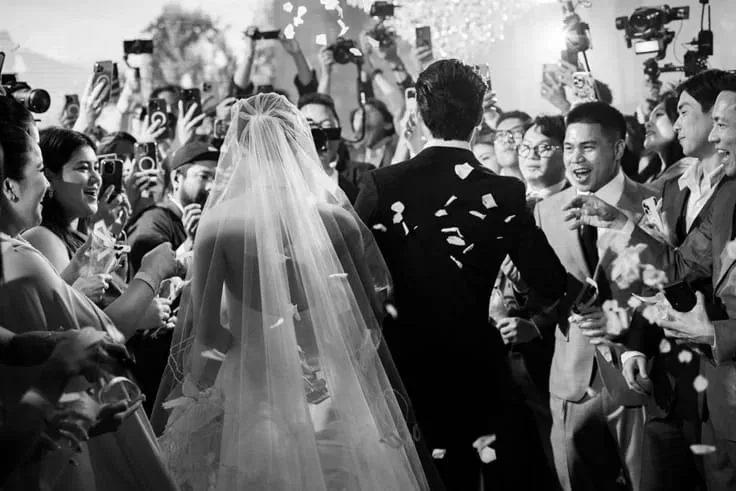
These marriages usually do not involve children, and many people who support the concept see them as a learning experience that helps individuals better understand themselves before entering another long-term relationship.
Where did the term originate?
The phrase starter marriage first gained attention in 1994, when journalist Deborah Schupek used it in one of her articles. Over the years, it became part of discussions surrounding changing relationship dynamics in Western countries.
Recently, the concept has resurfaced on social media platforms and relationship podcasts, especially among younger generations who are rethinking traditional ideas about marriage.

Why are people embracing the idea?
Supporters believe that changing priorities have transformed how young adults approach relationships. Career growth, financial independence, mental well-being and personal development often take precedence before settling into lifelong commitments.
Also Read | World Hepatitis Day 2026: Doctor shares 5 foods to eat and avoid during monsoon
Many argue that ending an incompatible marriage respectfully is healthier than remaining in an unhappy relationship simply because of societal expectations.
Some also view starter marriages as an opportunity to gain a deeper understanding of themselves, their expectations and what they truly seek in a life partner.
Why is the concept controversial?
Critics believe marriage should never be approached as an experiment. They argue that treating marriage as a trial period could weaken the values of commitment, responsibility and perseverance that traditionally define the institution.
Relationship experts also point out that lasting partnerships require patience, communication and mutual understanding, qualities that often develop over time rather than within a fixed timeline.
What about India?
In India, marriage continues to be viewed as the coming together of two families rather than just two individuals. Cultural traditions, family values and social expectations make starter marriages relatively uncommon.
Also Read | Invisible String Theory: The dating trend explained
However, with changing lifestyles, increasing financial independence and evolving views on relationships in urban areas, discussions around alternative relationship models are becoming more common.

Is there a right answer?
There is no universal answer to whether starter marriages are a good idea. For some couples, the concept represents a realistic approach to modern relationships. For others, it challenges the meaning and stability traditionally associated with marriage.
Experts generally agree that regardless of relationship trends, healthy marriages are built on open communication, mutual respect, emotional maturity and a willingness to resolve conflicts together. When a relationship consistently causes emotional distress with little hope of improvement, making a respectful and informed decision may ultimately be the healthiest choice.
FAQs
What is a starter marriage?
A starter marriage is a first marriage that usually lasts five years or less and is viewed by some couples as a way to assess long-term compatibility.
Who coined the term starter marriage?
The term was popularised by journalist Deborah Schupek in 1994.
