A crude oil shipment that was originally expected to reach India has changed course mid-voyage and is now headed towards China, raising questions around possible payment or sanctions-related issues. The Union Ministry of Petroleum and Natural Gas has, however, firmly rejected such claims, calling them inaccurate.
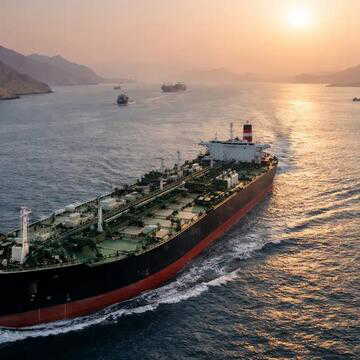
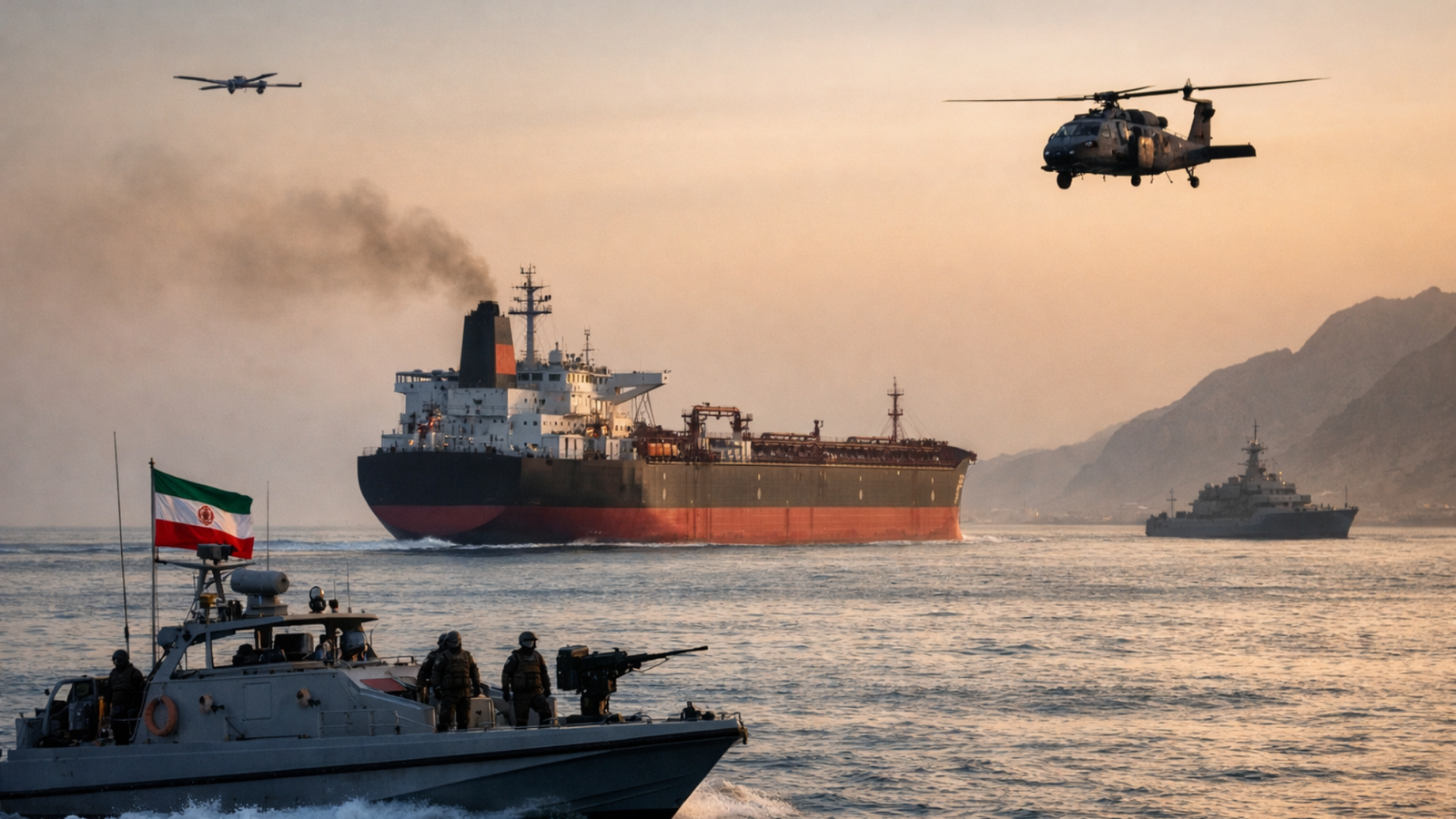
The development came after ship-tracking firm Kpler reported that the Aframax tanker Ping Shun, which had initially indicated Vadinar in Gujarat as its destination, altered its route and is now moving towards Dongying in China.
No payment hurdles, says Centre
Responding to speculation, the ministry clarified, “There are no payment hurdles for Iranian crude imports”. It further underlined that Indian refiners operate with flexibility and source crude based on commercial considerations.
"India imports crude oil from 40 countries, with companies having full flexibility to source oil from different sources and geographies based on commercial considerations," the statement read.
Also Read | 'You are in safe hands': At least 8 Indian-linked vessels cross Strait of Hormuz
Why the vessel changed course
Officials stressed that such diversions are not unusual in global oil trade. Shipment destinations are often tentative and can be revised even while the cargo is at sea.
"Claims on vessel diversion ignore how the oil trade works. Bills of Lading often carry indicative discharge ports, destinations and on-sea cargoes can change destinations mid-voyage based on trade optimisation and operational flexibility," the ministry said.
The clarification suggests that operational and commercial reasons, not geopolitics, may have been behind the decision.
Supply remains secure
Amid concerns over West Asia tensions, the government reiterated that India’s energy supplies are stable.
"It is reiterated that India's crude oil requirements remain fully secured for the coming months."
"Amid Middle East supply disruptions, Indian refiners have secured their crude oil requirements, including from Iran, and there is no payment hurdle for Iranian crude imports, contrary to the rumours being circulated," the ministry said.
Also Read | LPG supply at risk? Delhi makes THIS mandatory for commercial users
Context: Sanctions and recent developments
The Ping Shun cargo had drawn attention as it was expected to be India’s first Iranian crude shipment since 2019, when imports were halted due to US sanctions. The tanker, reportedly carrying around 6,00,000 barrels, was loaded from Iran’s Kharg Island in early March.
A recent 30-day US sanctions waiver had briefly allowed purchases of Iranian oil at sea, with the window set to close on April 19.
India had been a major buyer of Iranian oil in the past, with the share of its imports reaching as high as 11.5% before witnessing a sharp fall in 2019 because of sanctions.