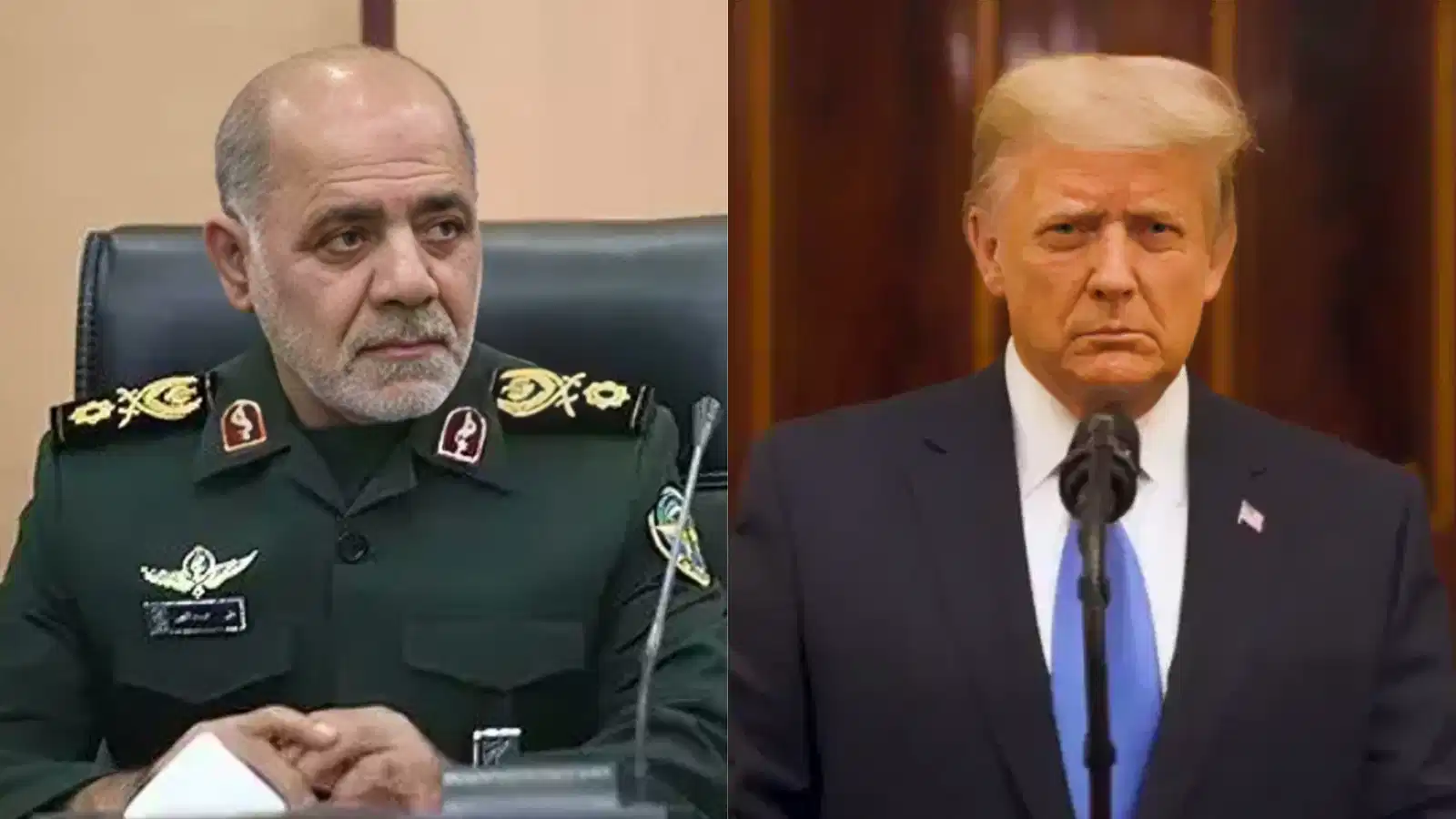
Tensions between Iran and the US escalated further after Tehran sharply dismissed Donald Trump’s latest warning tied to a peace deal and the reopening of the Strait of Hormuz.
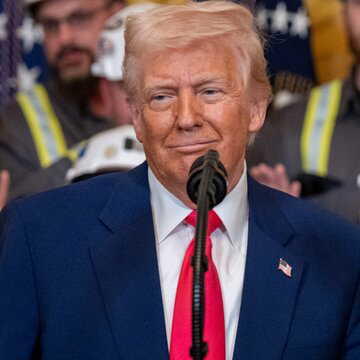
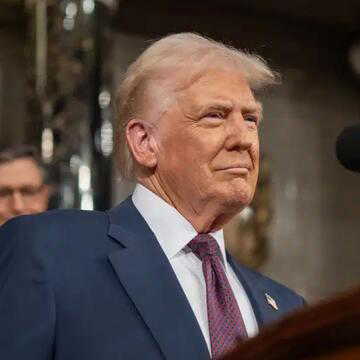
Responding to Trump’s threat to destroy key infrastructure if demands are not met within 48 hours, Iran described the move as “a helpless, nervous, unbalanced and stupid action”. Echoing Trump’s own tone, a senior Iranian military figure warned that “the gates of hell will open for you”.
Military warning and threat of retaliation
General Ali Abdollahi Aliabadi, speaking on behalf of the Khatam al-Anbiya Central Headquarters, said any attack by the US or Israel would trigger “devastating and continuous” strikes on American military assets across the Middle East, as well as Israeli infrastructure, Fars news agency reported.
He criticised Trump’s stance, stating “After having admitted successive defeats, the aggressive and warmongering president of the United States has, in a desperate, nervous, unbalanced and foolish move, threatened (to target) Iran's infrastructure and national assets.” He added that Iranian forces would not hesitate “for a moment” in defending the country and would “put the aggressors in their place”.
Also Read | ‘It’s war’: Trump shrugs off Iran downing US jets, says negotiations won’t stop
Iran hints at escalation strategy
As per the report by Fars news agency, an Iranian security official indicated that operations are progressing according to a defined plan and “specific target bank”. The official also warned of “a big surprise” for both the US and Israel, while dismissing American threats as “laughable”.
Referring to recent developments, the official said Iran has learned how to sustain long-term pressure through asymmetric warfare. “We have learned well in asymmetric warfare how to wear down the enemy. America has failed in its strategy of clean, quick, and easy attack,” the statement read.
Trump had earlier set a 10-day deadline on March 26, later extending it to April 6, saying talks were ongoing and “going very well”. He had previously warned of action against Iranian power plants if the Strait of Hormuz was not reopened within 48 hours.
The waterway remains critical to global energy supply, carrying nearly 20 per cent of the world’s oil. Iran has reportedly allowed passage only for vessels carrying essential and humanitarian goods.
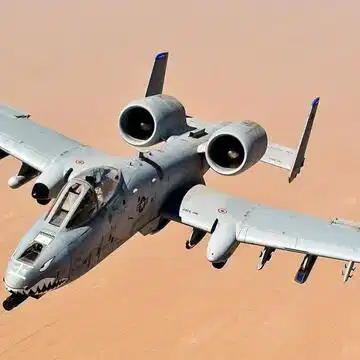
Also Read | Two US warplanes down, choppers hit in 24 hours: What we know so far
Conflict widens across the region
The ongoing conflict, which began after attacks by the US and Israel on February 28, is now in its sixth week. Thousands have died in several countries; many thousands have died in Iran, while Israel, the US, Iraq, and Gulf states have suffered casualties.
Recent developments include reports of downed US aircraft, rescue operations for missing personnel, and a strike near Iran’s Bushehr nuclear facility. Iran’s foreign minister warned that continued attacks there could result in radioactive fallout affecting Gulf capitals, saying it could “end life in GCC capitals, not Tehran”.