West Bengal is set to vote in two phases on April 23 and April 29 to elect a new 294-member Assembly, with counting scheduled for May 4, 2026. This is not a routine state election. The outcome could reshape Bengal’s political direction, test Mamata Banerjee’s hold on power, and determine whether the BJP can translate its rise into governance.
Election schedule and structure
The Election Commission has opted for a two-phase polling process:
Total seats: 294
Phase 1 voting: April 23, 2026
Phase 2 voting: April 29, 2026
Counting of votes: May 4, 2026
With a compressed campaign window, parties are focusing on targeted outreach and constituency-level strategies.
Party strategies and key electoral stakes
For the Trinamool Congress, the election goes beyond retaining power. It is about sustaining a political narrative built around Mamata Banerjee’s leadership. The campaign highlights welfare schemes, governance record, and regional identity, positioning Banerjee as a protector of Bengal’s interests.
Also Read | West Bengal Assembly polls: TMC releases 40-member star campaigner list for Phase I
A strong result would reinforce her dominance, while any decline could signal cracks in the party’s base.
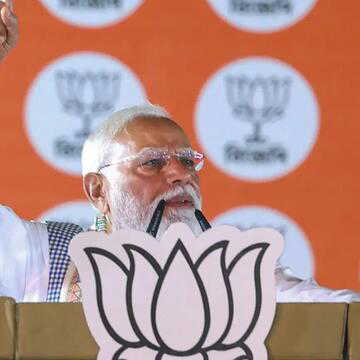
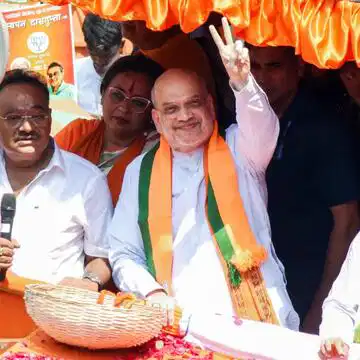
The BJP enters the contest as the principal challenger. Its campaign combines caste calculations, religious mobilisation, and booth-level planning. Having expanded its footprint in recent years, the party sees this election as its most viable opportunity yet to form a government in the state.
In a shift from past strategy, the Congress is contesting independently after breaking ties with the Left. The party aims to rebuild its presence in regions like Malda, Murshidabad and Nadia, while appealing to voters looking beyond a bipolar contest. Organisational limitations, however, remain a challenge.
Bhabanipur: The key contest
Bhabanipur stands out as the most closely watched seat. The contest between Mamata Banerjee and Suvendu Adhikari is seen as symbolic, reflecting a larger clash of political narratives. Once considered a stronghold, the constituency is now viewed as a test of changing voter preferences.
SIR controversy and electoral debate
The Special Intensive Revision of voter rolls has added a new dimension to the election.
Around 64 lakh names were deleted statewide
Several lakh voters under scrutiny
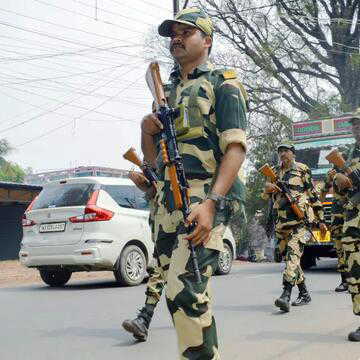
Also Read | 'Till further orders...': 500 CAPF companies to remain in Bengal after poll results, says EC
In some constituencies, deletions exceed previous winning margins
The BJP has defended the exercise as necessary, while the TMC has raised concerns over potential disenfranchisement. The issue has brought attention to the role of voter eligibility in determining electoral outcomes.
What to watch
The 2026 election presents multiple layers. It is a direct contest between TMC and BJP, a rebuilding effort for Congress, and a wider test of electoral processes. Alongside governance, questions of identity and voter legitimacy are likely to shape the final verdict.