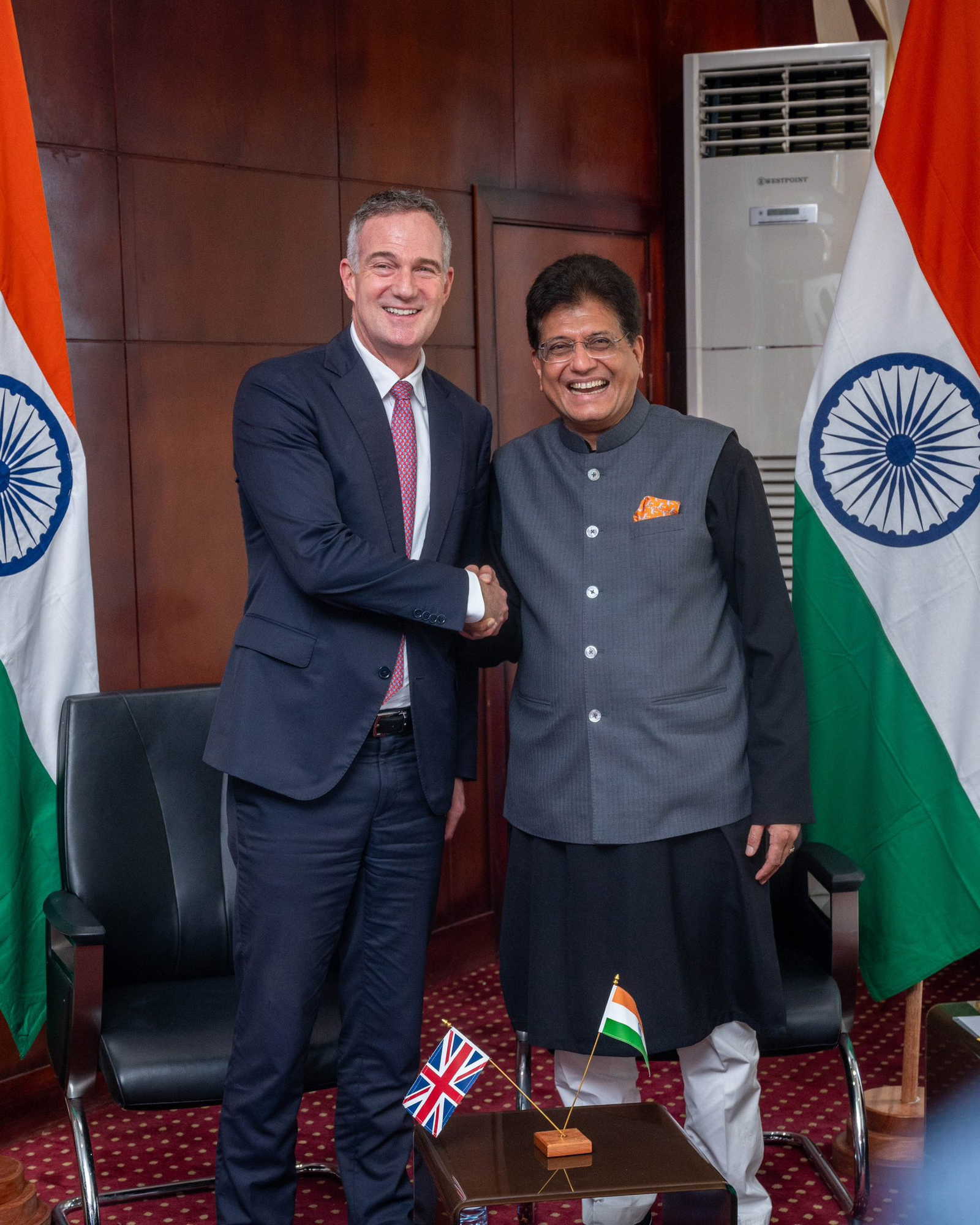
With less than three weeks left before the India-UK trade agreements come into effect, Commerce and Industry Minister Piyush Goyal is heading to London for a three-day visit beginning June 25.
The launch of the India-UK Comprehensive Economic and Trade Agreement (CETA) and the Double Contribution Convention (DCC) is expected to focus on turning the commitments made on paper into practical arrangements on the ground.
During the trip, Goyal is scheduled to meet UK Business and Trade Secretary Peter Kyle for talks on implementation issues, including tariff cuts, regulatory coordination, and measures to ease trade and the movement of professionals.
Also Read | Waterways to roads: Centre plans water metro networks for Srinagar, Kolkata and Guwahati
Indian Trade Minister Piyush Goyal heads to UK. Visit ahead of India, UK trade deal coming into force.
— Sidhant Sibal (@sidhant) June 24, 2026
India statement: pic.twitter.com/KwLnFei2TW
The machinery whirs into motion
Officials on both sides have framed the London visit as part of the final push to operationalize the pact. News on AIR said the discussions will also cover customs facilitation, tariff liberalization commitments, and market access for Indian exports, while the ministry will review the operational roadmap for the DCC, which is expected to support greater mobility of professionals and businesses between the two countries.
Goyal is also due to address the opening plenary of the India Global Forum in London on the theme “Capital, Innovation, and the UK-India Moment" and is expected to participate in business meetings with senior executives from firms including HSBC and Rolls-Royce.
The ministry said the trip underlines India’s effort to deepen economic engagement with global businesses and investors and to move toward a bilateral trade target of $120 billion by 2030.
The India-UK trade pact is a testament to how New India does business.
— Piyush Goyal (@PiyushGoyal) June 23, 2026
In my article, I write about how the India-UK CETA is a truly people-centric agreement that will benefit Indian farmers, businesses, artisans & people across the country.
By unlocking the premium UK market,… pic.twitter.com/IKej7fjgAu
A pact gathers pace across the Channel
The trip comes after India and the UK moved ahead with implementation of the trade deal following talks between Prime Minister Narendra Modi and UK Prime Minister Keir Starmer at the G7 summit in France.
The two countries agreed on June 18 to launch the agreement on July 15 after concerns over Britain’s steel tariff regime had been addressed. Modi described the move on X as "a historic milestone for India-UK relations" and said it would “significantly boost our bilateral trade and investment.”
In a statement, Peter Kyle said, “The deal gives British exporters an edge over international competitors.” The countries have extended the period for exemption from double social security contributions to five years from three for workers on temporary postings.
From signatures to shop floors
The India-UK pact has been billed by both governments as one of the most significant trade frameworks in recent years. It was signed almost exactly a year before its planned entry into force.
The agreement spans goods and services, digital trade, telecommunications, financial services, intellectual property, government procurement, innovation, sustainability, and support for small businesses.
With Goyal’s London visit now set against the countdown to July 15, the focus has shifted from broad political backing to the practical details of how the deal will work on the ground.
Also Read | Panchayat’s Banrakas and Binod cherish unforgettable moment with PM Modi after viral interaction
FAQs
Q1: Why is Piyush Goyal visiting the UK in June 2026?
Ans: Piyush Goyal is visiting the UK to discuss the implementation of the India-UK trade agreement and related measures before it comes into force on July 15, 2026.
Q2: What is the India-UK Comprehensive Economic and Trade Agreement (CETA)?
Ans: The India-UK CETA is a bilateral trade pact aimed at boosting trade, investment, market access, and economic cooperation between the two countries.