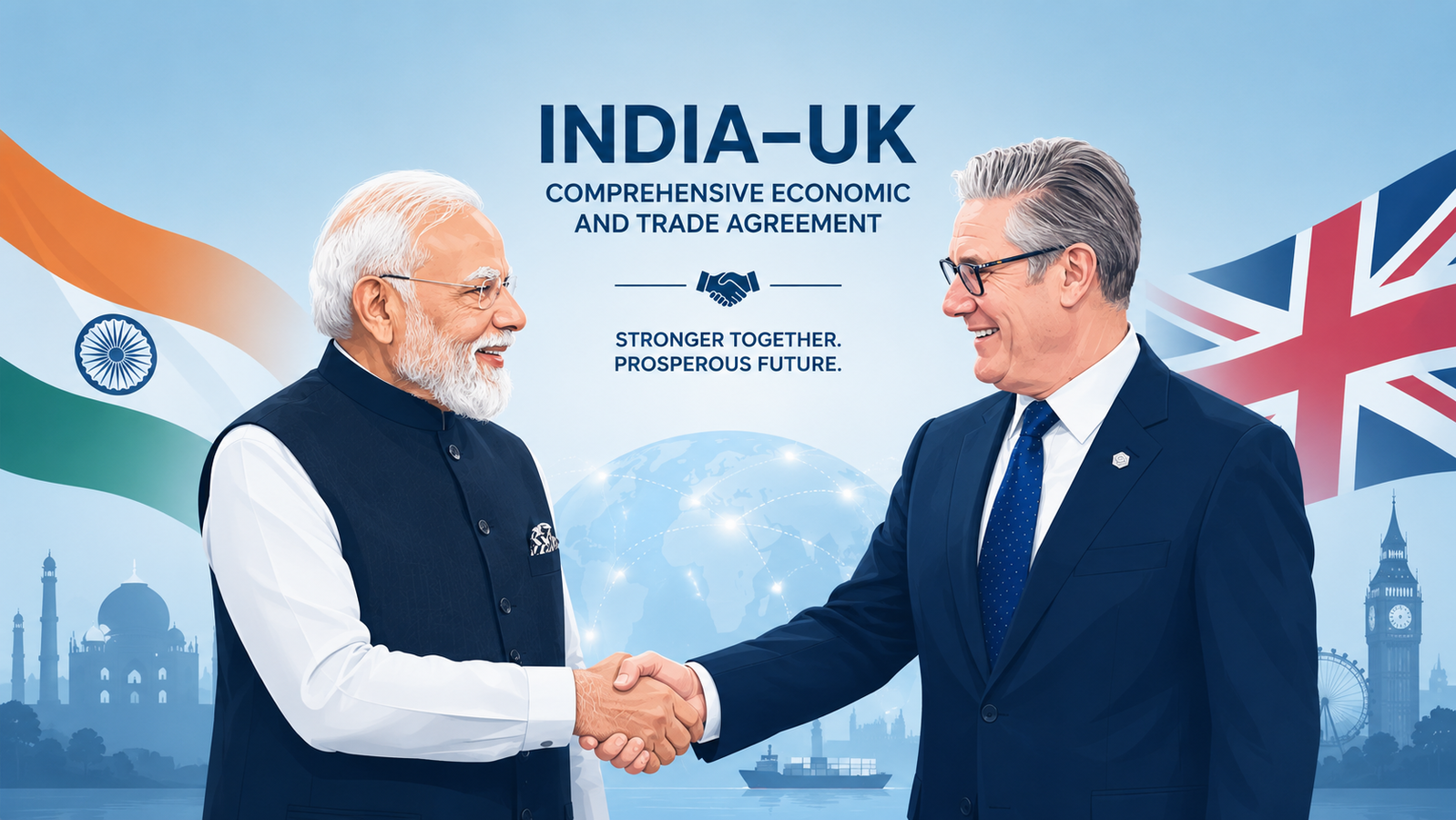
The India-UK Comprehensive Economic and Trade Agreement (CETA) will take effect on July 15, British High Commissioner to India Lindy Cameron said on Thursday, describing the pact as a major step in bilateral ties and a sign of the political momentum behind the relationship.
Cameron said the deal comes after a breakthrough between Prime Minister Narendra Modi and UK Prime Minister Keir Starmer at the G7 summit and noted that implementation is arriving less than a year after the agreement was signed.
Also Read | Centre vs Telegram: 'Shocking' evidence cited as Delhi High Court examines block order
A historic milestone for India-UK relations.
— Narendra Modi (@narendramodi) June 17, 2026
Delighted to note that the India-UK Comprehensive Economic and Trade Agreement will enter into force on 15th July 2026.
This agreement will significantly boost our bilateral trade and investment.
It will also unlock numerous… pic.twitter.com/I0bMCjdtg4
More than pounds and pence
Calling the agreement “historic,” Cameron said it goes beyond trade and is tied to the broader strategic framework set out in the India-UK Vision 2035 document endorsed by the two governments in July 2025.
That vision sets out cooperation across growth and jobs, education and skills, technology and research, climate action, and defense and security.
Cameron told ANI, “This is a key part of our Vision 2035 strategic partnership between the UK and India,” and said the deal offers “almost five billion pounds worth of benefit in GDP terms to both economies in the long run.”
With uncommon haste, the pact arrives
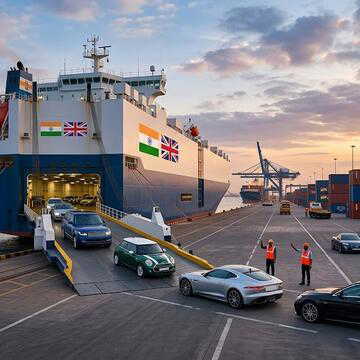
The agreement is expected to open up practical gains for businesses in sectors ranging from textiles and footwear to cars, whiskey, and other goods, according to Cameron.
In her comments to ANI, Cameron said, “This is a really historic moment,” adding that the deal will allow both sides to capture economic benefit in a “complicated time” globally. She also said, “It’s the fastest we’ve ever put a trade deal into force,” a line that reflects the speed of the ratification process since the pact was signed last year.
UK Business and Trade Secretary Peter Kyle said, “Trade is going to be cheaper, quicker, and easier for businesses on both sides.”
#WATCH | Delhi: On UK-India Free Trade Agreement to come into effect from 15 July, British High Commissioner to India, Lindy Cameron says, "This is a really historic moment. The UK-India free trade deal will go into force on the 15th of July this year. That's less than a year… pic.twitter.com/QDI8cJm8LT
— ANI (@ANI) June 18, 2026
Tariffs trimmed, horizons widened
The deal is forecast to lift British GDP by £4.8 billion and increase bilateral trade by £25.5 billion in the long run, based on UK government figures.
The agreement also includes tariff cuts on Indian exports to the UK and lower Indian tariffs on British goods. India will reduce whisky tariffs to 40% from 150% by the 10th year of the deal, while tariffs on automobiles will fall to 10% under a quota from 100%.
Britain, meanwhile, will cut tariffs on goods including clothes, footwear, and some foods.
The finer print earns attention
The steel issue that had threatened to slow implementation appears to have been contained, with the Indian government saying 85% of Indian exports would not be affected by Britain’s steel measures.
The remaining goods would have access through quotas and other means, while Cameron said the two sides had discussed steel as part of the wider trade rollout. The deal also extends the period for workers on temporary postings to be exempt from so-called “double contributions” to social security from three years to five, a change both governments say will reduce costs for companies and ease mobility for professionals.
Also Read | El Nino alert: Fitch sees higher inflation risks as climate pattern may linger till 2027
FAQs
Q1: When will the India-UK trade deal come into effect?
Ans: The India-UK Comprehensive Economic and Trade Agreement (CETA) is scheduled to come into force on July 15, 2026.
Q2: How will the India-UK trade deal benefit both countries?
Ans: The agreement is expected to boost trade, lower tariffs, improve market access, and add nearly £5 billion to the long-term GDP of both economies.