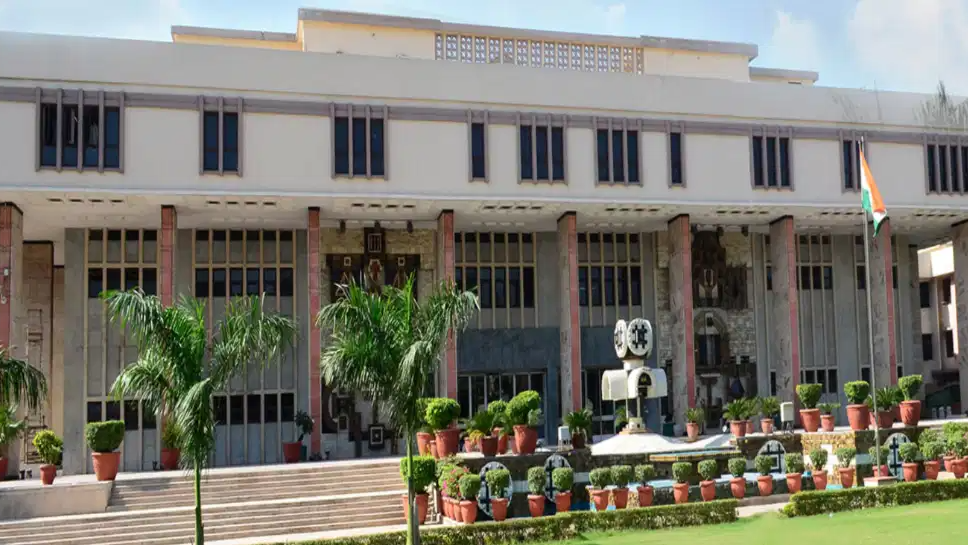
The legal battle between the Centre and Telegram has intensified in the Delhi High Court, with the government defending its decision to temporarily block the messaging platform ahead of the NEET-UG 2026 re-examination. Authorities have argued that the action followed weeks of engagement and repeated warnings that allegedly went unanswered.
Government defends temporary blocking order
The Centre is expected to inform the Delhi High Court that Telegram failed to adequately address multiple concerns raised by authorities despite repeated warnings and sustained engagement over several weeks.
The submission comes as Telegram challenges the government's decision to temporarily restrict access to the platform ahead of the NEET-UG 2026 re-examination scheduled for June 21. According to government sources, the action was not taken abruptly but followed a series of interactions between officials and the messaging platform.
Also Read | Dehradun NEET aspirant dies by suicide; note reads 'Mom and Dad, I love you'
Concerns centred on data disclosure and flagged channels
One of the key issues raised by the government relates to the alleged non-disclosure of data and information connected to certain channels that had come under scrutiny.
Sources indicated that authorities repeatedly flagged these concerns and sought cooperation from Telegram. The Centre is expected to argue that the responses received were not satisfactory and that the platform failed to effectively address the issues highlighted by government agencies.
Solicitor General cites months of engagement
During the hearing, Solicitor General Tushar Mehta defended the government's decision, stating that the blocking order was issued under Section 69A of the Information Technology Act and followed the prescribed legal process.
Addressing the court, Mehta said, "This has not happened overnight. We have been dealing with them since May. Complaints have been received since May", as per News18 reports.
The Centre also submitted that it possesses substantial material indicating alleged misuse of the platform. According to its submissions, some channels linked to examination-related activities reportedly reappeared even after being blocked.
Government says evidence is "shocking"
The government told the court that it would place detailed material on record to justify the use of emergency powers.
According to submissions made during the proceedings, Mehta described the evidence available to the authorities as "shocking" and indicated that facts and figures would be presented before the court. The Centre has maintained that the temporary restriction was aimed at addressing concerns linked to examination integrity and alleged misuse of the platform.
Telegram challenges the decision
Telegram has argued that the blocking order is arbitrary and disproportionate. The company has maintained that it cooperated with authorities, attended meetings with government officials and acted whenever specific channels were identified for removal.
Senior advocate Dhruv Mehta, appearing for Telegram, contended that the restriction effectively amounted to a blanket ban affecting millions of users across the country. Telegram has also challenged the order in court, arguing that it impacts users' access to information and communication services, according to News18.
Also Read | NEET UG 2026 re-exam on June 21; NTA urges candidates to ignore postponement rumours
Court reserves verdict
The Delhi High Court has heard arguments from both sides and reserved its verdict on Telegram's plea against the temporary block. The matter remains under judicial consideration, with the Centre expected to place additional material before the court in support of its decision.