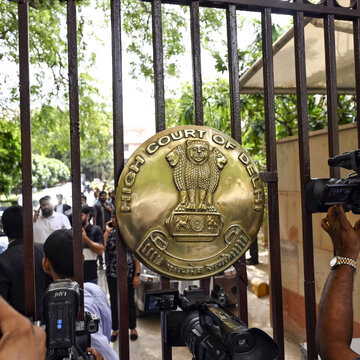
The Delhi High Court has stepped in to curb the circulation of courtroom content online, ordering social media platforms to remove videos linked to recent hearings involving senior AAP leaders. The move underscores growing judicial concern over how digital sharing of court proceedings may impact the integrity of the legal process.
Court flags violation of virtual hearing norms
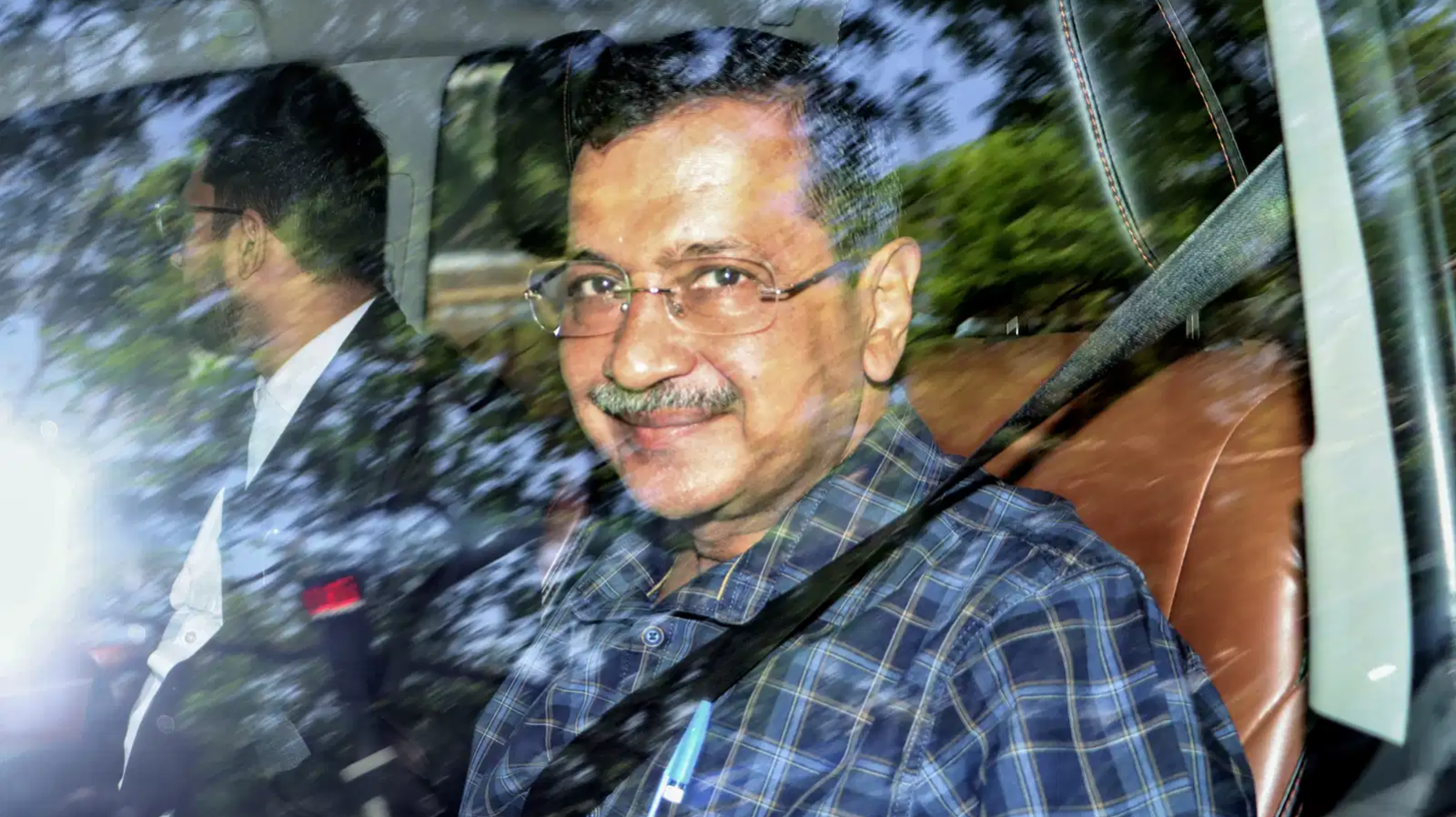
The order came during proceedings before Justice Swarna Kanta Sharma, who was hearing a petition filed by Arvind Kejriwal. The court noted that clips from an April 13 hearing had been widely circulated on social media, raising questions over compliance with established video conferencing rules.
These rules clearly restrict the recording or sharing of court proceedings without prior approval. The Bench observed that such unauthorised dissemination could undermine both the dignity of the court and the fairness of proceedings.
Also Read | “Procedure matters”: Delhi HC warns of CBI probe over activist detention claims
Platforms act after court intervention
Following the court’s concerns, Facebook confirmed that it had already taken down videos related to the hearing. Notices have also been issued to key political figures, including Manish Sisodia and Sanjay Singh, as part of the ongoing proceedings.
The court’s intervention signals a stricter approach towards regulating how sensitive judicial content is handled in the public domain, especially in politically high-profile cases.
Also Read | LaLit land row returns: Delhi HC restores ₹1,063 crore dues, backs licence cancellation
Recusal plea and broader message
In a related development earlier this week, Justice Sharma had dismissed a plea by Kejriwal seeking her recusal from cases linked to the excise policy matter. She emphasised that judicial decisions must rest on merit and that stepping aside without valid grounds would not serve institutional integrity.
The court reiterated that no individual or platform can be allowed to diminish the sanctity of judicial proceedings. With the next hearing scheduled for July 6, the case is likely to further define the boundaries between transparency and restraint in the digital age.