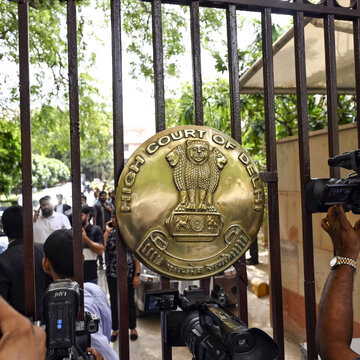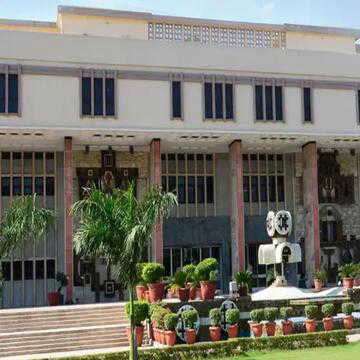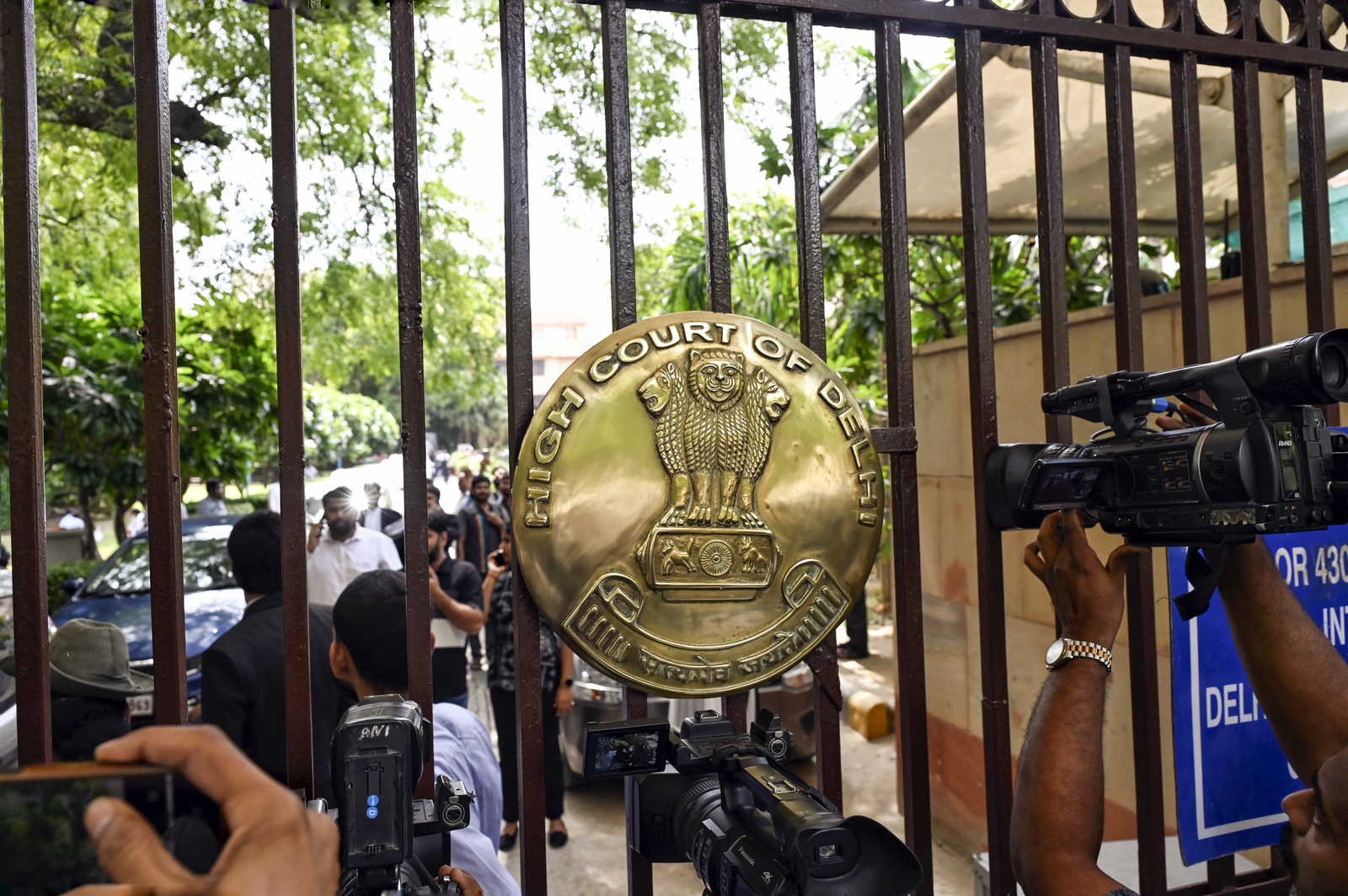
A long-running legal battle over prime land in the capital has taken a decisive turn, with the Delhi High Court restoring a massive financial demand and backing the cancellation of a decades-old licence agreement. The ruling brings renewed focus on how high-value urban land is used and regulated in one of India’s most premium zones.
Court overturns earlier relief
In a significant judgment, the New Delhi Municipal Council succeeded in its appeal against Bharat Hotels Limited, with the court reviving dues exceeding ₹1,063 crore. The Bench also upheld the termination of the 1982 licence that allowed the company to operate the hotel and commercial complex.
This reverses a 2023 single-judge order that had earlier quashed both the financial demand and the licence cancellation. The Division Bench found that the earlier relief could not stand in light of the contractual violations on record.
Breach of licence terms cited
At the heart of the dispute is the use of land allotted for a specific purpose. The court held that Bharat Hotels breached the licence agreement by facilitating the sale and transfer of commercial spaces within the World Trade Center complex to a third party, identified as the Indian Wind Power Association.
The Bench rejected the company’s claim that it was unaware of these transactions, noting that official records indicated its confirmation of the transfers. Such actions, the court observed, were in clear violation of the terms under which the land had been allotted.
Also Read | Delhi High Court finds YouTuber guilty of criminal contempt
Public interest and land use under scrutiny
Beyond the contractual dispute, the judgement also raises broader concerns about public resources. The court highlighted that land in New Delhi is an extremely scarce asset, and any misuse or underpricing ultimately shifts the burden onto taxpayers.
It pointed out that while the licence capped annual payments at a relatively modest figure, the actual ground rent demanded by the government had risen sharply over time. This mismatch, if not corrected, would lead to significant losses for the public exchequer.
Also Read | Delhi High Court protects OTT rights of Drishyam franchise
Emphasising constitutional principles, the court said allocation of natural resources must serve public interest and not merely commercial gain. It warned that non-competitive or opaque arrangements in such cases could violate equality norms under the Constitution. With the matter now reset in favour of NDMC, the case is likely to have wider implications for similar agreements involving prime public land in Indian cities.