The recent developments in Uttam Nagar have brought an uncomfortable truth to the surface. In a city governed by institutions meant to ensure safety and justice, the idea that minors are safer in detention than at home signals a deeper systemic failure. The order by the Juvenile Justice Board, while legally reasoned, underscores a grim reality where the state appears unable to guarantee basic security on its streets.
When protection means confinement
Under the Juvenile Justice Act, bail for minors is the norm unless exceptional risks are involved. In this case, the perceived danger was not criminal influence but the threat of retaliation outside. The Board’s reasoning suggests that the surrounding environment itself has become unsafe, effectively turning custody into a form of protection rather than punishment. This inversion of legal principles reflects a breakdown in public order, where fear dictates judicial outcomes.
Governance gaps and selective enforcement
The situation is further complicated by the role of the Municipal Corporation of Delhi, which has reportedly sought to bypass due process by labelling certain homes as encroachments. This raises concerns about selective enforcement and administrative overreach. While swift action is visible in matters of demolition and clearance, the same urgency appears absent in ensuring community safety. The imbalance highlights a governance model that reacts strongly in some areas while remaining ineffective in others.
Also Read | Court pulls up trial judge for improper handwriting comparison in divorce case
Trust deficit in institutions
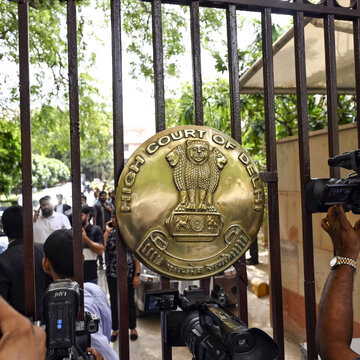
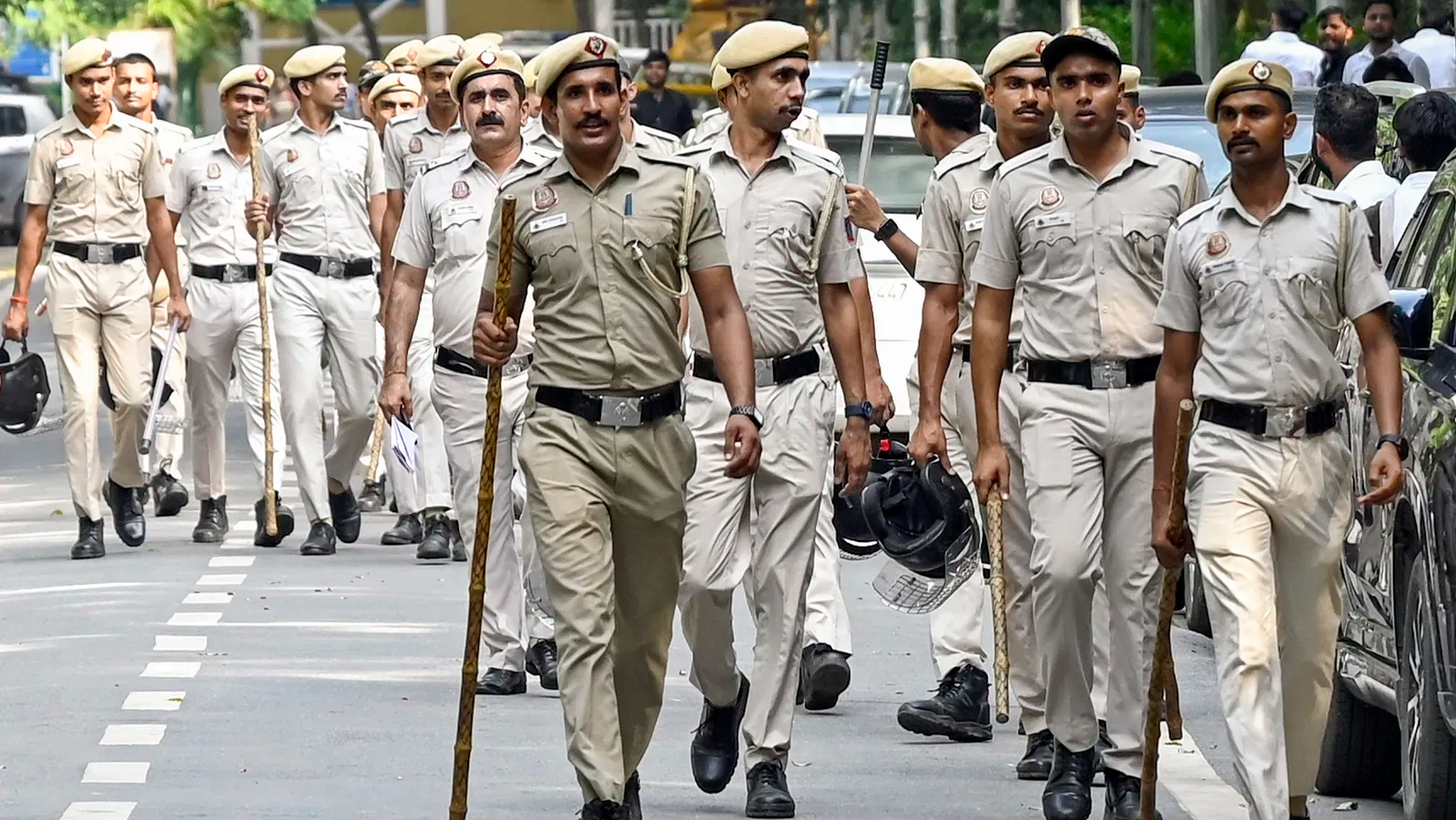
The broader implications extend to public confidence in law enforcement. The Delhi High Court has already had to intervene to ensure peaceful conditions during sensitive periods, an indication that routine policing measures may be falling short. Meanwhile, victims and accused alike are left navigating a system where protection is uncertain. The reliance on judicial directions for basic law and order functions points to a widening gap between institutional intent and ground reality.
In the end, the Uttam Nagar episode is not just about a single case. It reflects a city grappling with a fragile social order, where justice mechanisms are forced to adapt to administrative shortcomings. When detention becomes synonymous with safety, it raises a fundamental question about who truly controls the streets and whether the promise of peace, service and justice still holds meaning.
Also Read | Delhi HC records Kejriwal affidavit alleging bias, says matter already reserved
The decision, which effectively keeps the juveniles in custody for their own protection, reflects a troubling lack of faith in law enforcement’s ability to maintain order. The episode raises uncomfortable questions about governance, justice delivery and the role of institutions in safeguarding both the accused and victims.