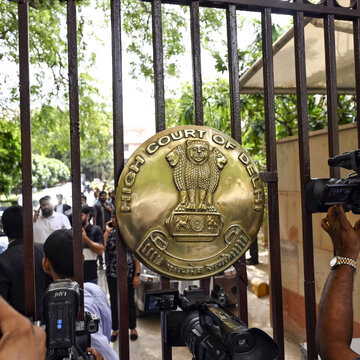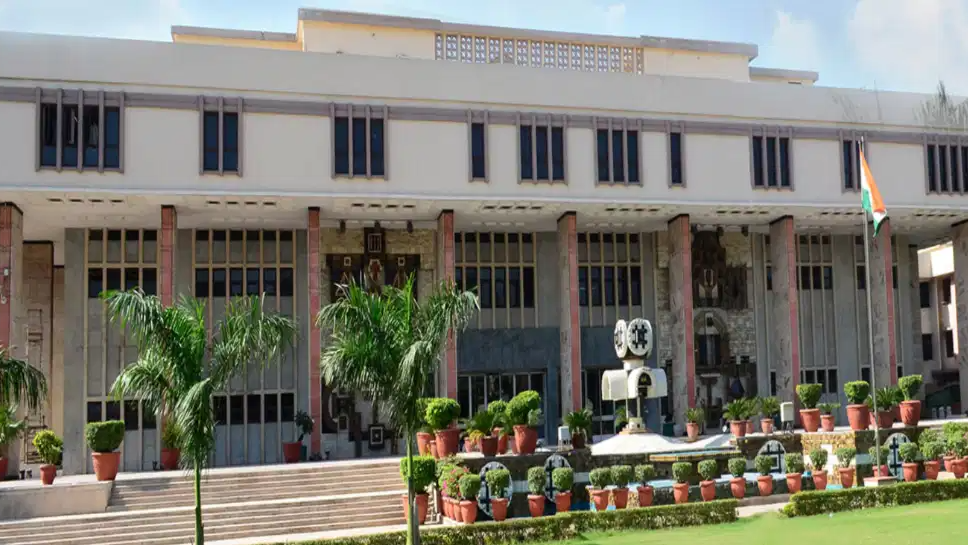
A sharp judicial warning has put the spotlight on alleged police excesses in the national capital, with the Delhi High Court making it clear that due process cannot be bypassed, regardless of the seriousness of accusations. The court’s remarks come amid claims that student activists were illegally detained and subjected to mistreatment during questioning last month.
Court questions police conduct
Hearing habeas corpus petitions, the High Court expressed dissatisfaction with status reports submitted by the police in sealed cover. The Bench noted that the allegations raised were grave and that the response so far did not inspire confidence.
It warned that it may hand over the probe to the Central Bureau of Investigation if proper action is not demonstrated. The judges made it clear that they were being compelled to consider such a step due to the lack of clarity and accountability in the current investigation.
Also Read | LaLit land row returns: Delhi HC restores ₹1,063 crore dues, backs licence cancellation
'End does not justify means'
In strong observations, the court emphasised that even serious allegations against individuals cannot justify ignoring established legal procedures. It underlined that the Constitution mandates adherence to due process and that authorities must follow the law at every stage.
The Bench questioned whether individuals could be picked up without following prescribed procedures, stressing that any deviation would invite judicial scrutiny. It also indicated that responsibility could extend to senior officials if lapses are established.
Also Read | Delhi High Court finds YouTuber guilty of criminal contempt
Missing footage and next steps
The matter has also raised concerns over missing CCTV evidence. While the court had earlier ordered preservation of footage from locations linked to the alleged detention, it was later informed that cameras at some spots were not functional. The court has now directed the police to produce the complete case file for examination, signalling a more detailed review of the sequence of events. The next hearing is scheduled for May 19, where the court is expected to assess whether further action, including a possible independent probe, is warranted. The case has once again brought into focus the balance between investigation powers and civil liberties, with the judiciary reiterating that accountability cannot be compromised.