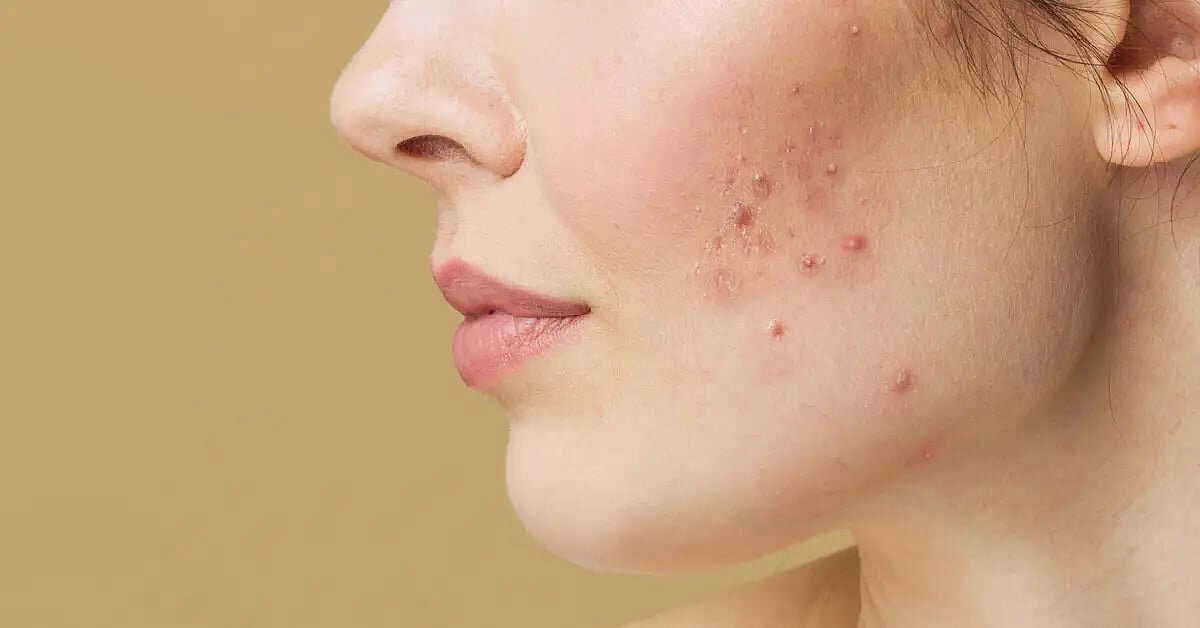
Hormonal acne is a type of acne that occurs primarily due to fluctuations in the body's hormones. This problem is commonly seen during adolescence, before and after periods, pregnancy, polycystic ovary syndrome (PCOS), excessive stress, or hormonal imbalance. This acne mostly appears on the lower part of the face—chin, jawline, and lower cheeks, though it can occur in other areas as well. In severe cases, this acne can appear on the scalp, neck, and back. This acne is also quite painful. Recurring in the same spots is also a common symptom of hormonal acne.
Why does hormonal acne occur?
When androgen hormone levels increase in the body, the skin's sebaceous glands produce more oil or sebum. This excess oil mixes with dead cells and blocks pores. As a result, bacteria accumulate, causing inflammation, which leads to acne.
Before periods, estrogen decreases while the effects of progesterone and androgens increase, which is why this acne flares up at specific times of the month. Chronic mental stress can increase cortisol hormone secretion and disrupt the body's hormonal balance, making acne more stubborn.
Also Read | Lemon for dandruff? Here’s the right way to use it without damaging your scalp
Why does it keep coming back?
If hormonal balance is not restored, acne keeps returning. While using creams on acne may provide temporary relief, if there are underlying hormonal problems in the body, it reappears. Irregular sleep, excessive junk food consumption, high glycemic diet habits, and sensitivity to dairy products, all these can also cause recurrence.
How to deal with it?
A proper skincare routine is important
Face washes containing salicylic acid or benzoyl peroxide can be used. Retinoid-containing face washes help in skin cell regeneration. However, it is essential to consult a dermatologist before use.
Also Read | Frizzy, dry hair even after winter? Here’s how to fix it naturally with homemade packs
Dietary changes
The amount of sugar and processed foods in the daily diet needs to be reduced. Instead, you can include more vegetables, fruits, and omega-3 fatty acid-rich foods. Adequate water intake is necessary.
Stress management
Yoga, meditation, and adequate sleep help maintain hormonal balance. When mental stress is high, acne problems can also increase. Therefore, stress management is important. If acne is severe, consult a doctor. Hormone tests may be necessary. Remember, the most important thing is patience. Hormonal acne doesn't heal overnight. Improvement is seen gradually.