Grey hair has long been treated as something to hide, with beauty standards often linking youth to confidence and success. But a growing number of people are making a different choice by embracing their natural silver strands. Psychology suggests this decision is not about giving up on appearance. Instead, it may reflect greater self-acceptance, shifting priorities and the confidence to value personal choice over social approval.
Why choosing grey hair can be a powerful act of personal freedom
According to Self-Determination Theory, developed by psychologists Edward Deci and Richard Ryan, psychological well-being depends on three basic needs: autonomy, competence and relatedness.
 (Representational Image) Choosing gray hair over dye may reflect self-acceptance, not giving up. AI Generated
 Among these, autonomy plays a key role. It refers to making choices based on personal beliefs instead of social expectations. For many people, embracing grey hair is less about appearance and more about deciding what feels right for them. The focus shifts from asking, "What will people think?" to "What feels right for me?"
Authenticity and self-identity can become more important with age
Self-Concept Theory, associated with psychologist Carl Rogers, suggests that people feel more emotionally balanced when their outward appearance matches how they see themselves. Rogers described this as congruence.
Also Read | Are you being soft ghosted? These subtle signs could reveal the truth
For some, maintaining a younger appearance through regular hair colouring eventually becomes tiring. Letting grey hair show can reduce that internal conflict and allow them to present themselves more naturally.
Priorities often change over time
Socioemotional Selectivity Theory, developed by psychologist Laura Carstensen, explains that people often place greater value on emotionally meaningful experiences as they grow older.
 (Representational Image) Going gray naturally? Here's what psychology says about the choice. AI Generated
 Instead of seeking approval from others, they may choose to spend their time and energy on what matters most to them. This helps explain why someone who colored their hair for decades may eventually stop. Rather than an act of giving up, it can reflect a change in personal priorities.
Social comparison can make the transition challenging
Psychologist Leon Festinger's Social Comparison Theory explains that people naturally compare themselves with those around them, especially when it comes to appearance.
Today's social media culture, filled with carefully edited images and beauty ideals, can increase that pressure. At the same time, more public figures are openly embracing grey hair, making natural ageing more visible and helping others feel more comfortable with the same choice.
Motivation matters more than the decision itself
Research on Authenticity Theory has linked living in line with one's values to higher emotional well-being and life satisfaction.
Also Read | Is 'romantic minimalism' the secret to lasting love? Here's why singles are embracing it
This does not mean everyone should stop colouring their hair. Some genuinely enjoy doing so, while others prefer their natural look. As the research suggests, the key question is, "Am I doing this because I want to or because I feel obligated to?"
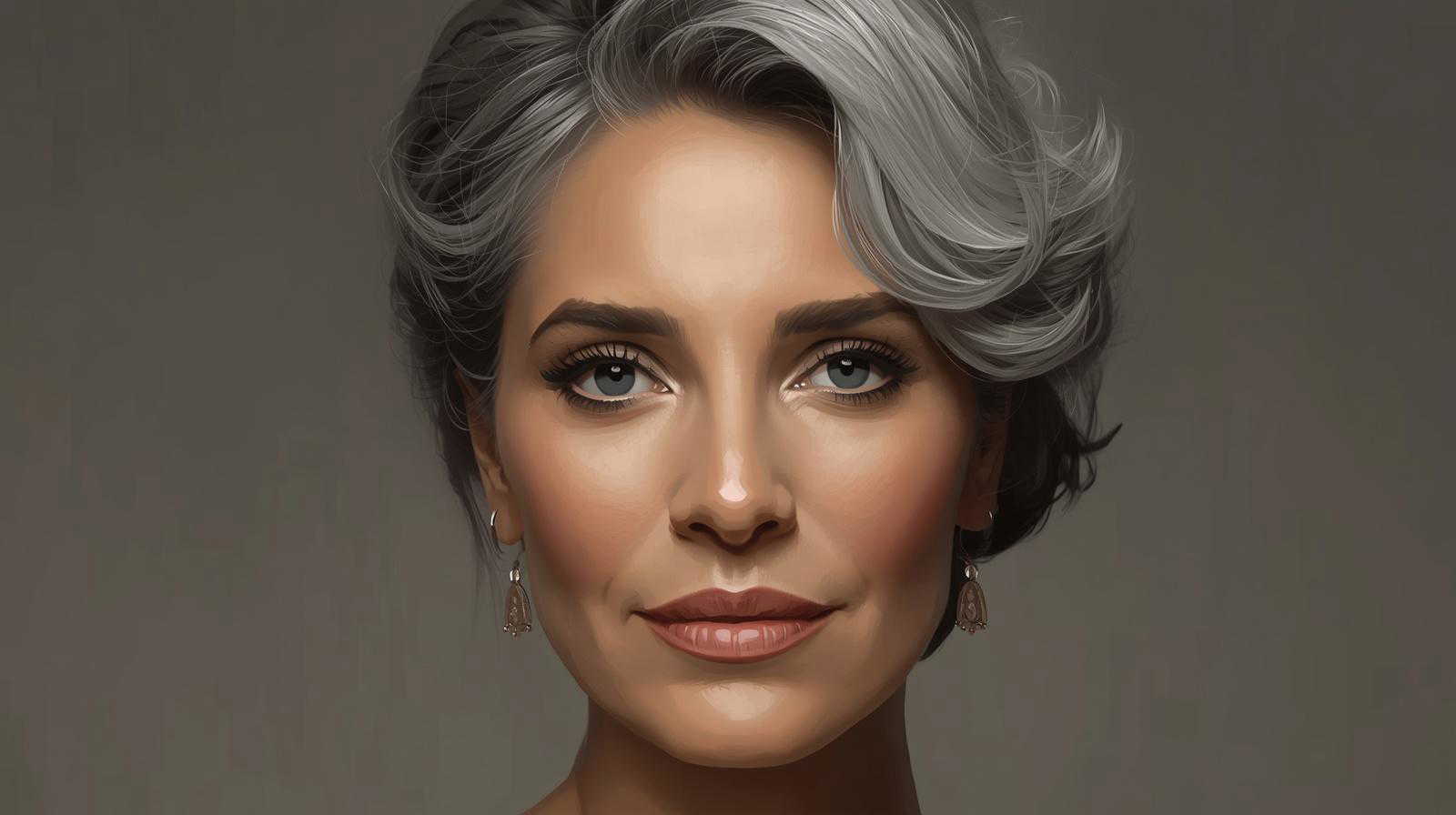 (Representational Image) The psychology behind gray hair reveals a shift toward authenticity and personal values. AI Generated
 Feeling older is not the same as getting older
Studies on Age Identity show that chronological age and the age people feel are not always the same. Many adults who embrace grey hair report feeling more confident, not older.
Psychology suggests that confidence often grows from accepting change rather than resisting it. Ultimately, whether someone continues colouring their hair or chooses to stop, research indicates that well-being is more closely linked to making choices based on personal values than social pressure.
FAQs:
Is it healthier to stop colouring your grey hair?
Stopping hair dye can reduce exposure to chemical treatments, but the decision is mainly a personal preference rather than a health requirement.
Why do people stop dyeing their grey hair after years?
Answer: Experts say changing priorities, personal values, and a desire for authenticity often influence the decision.