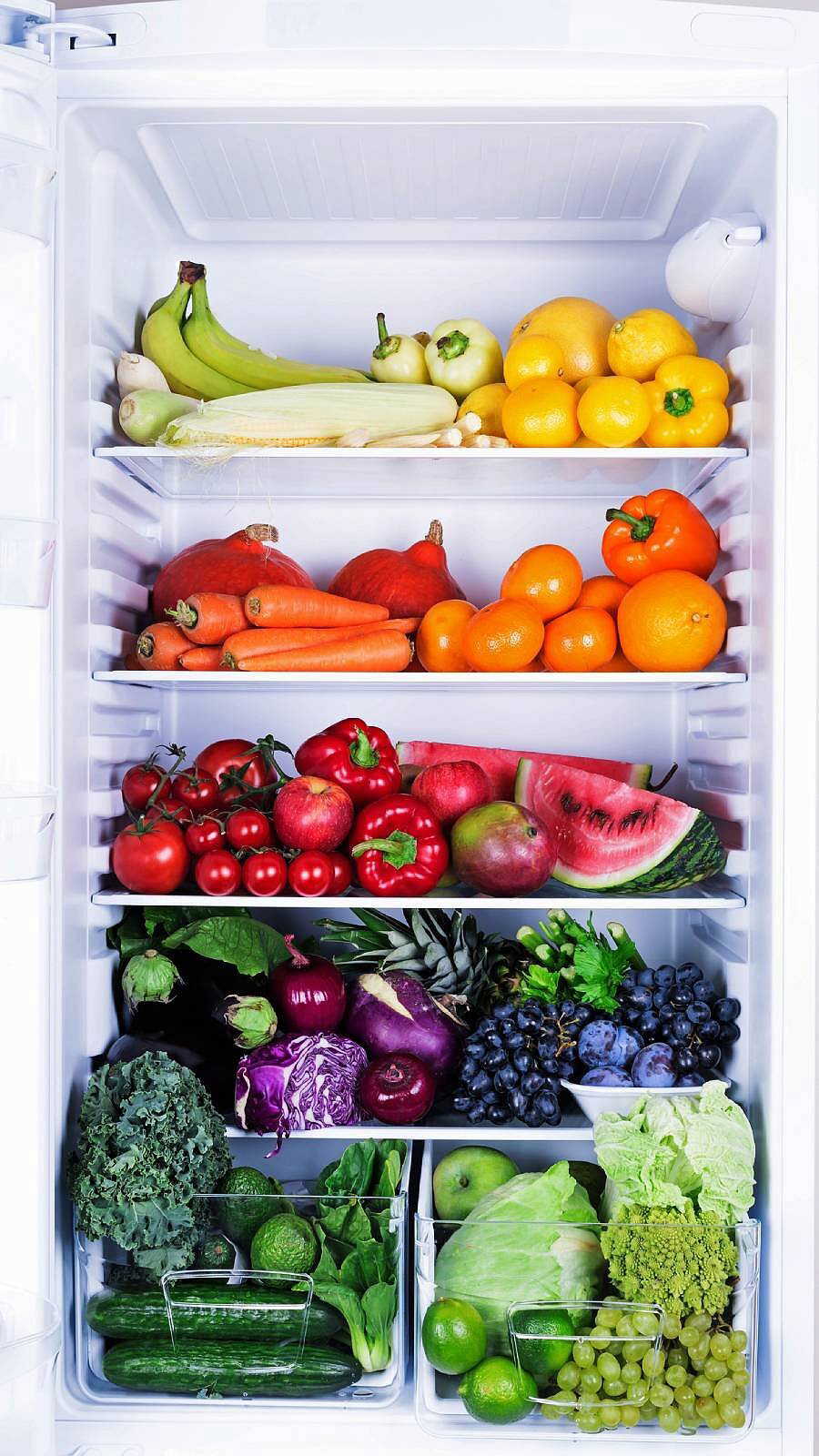
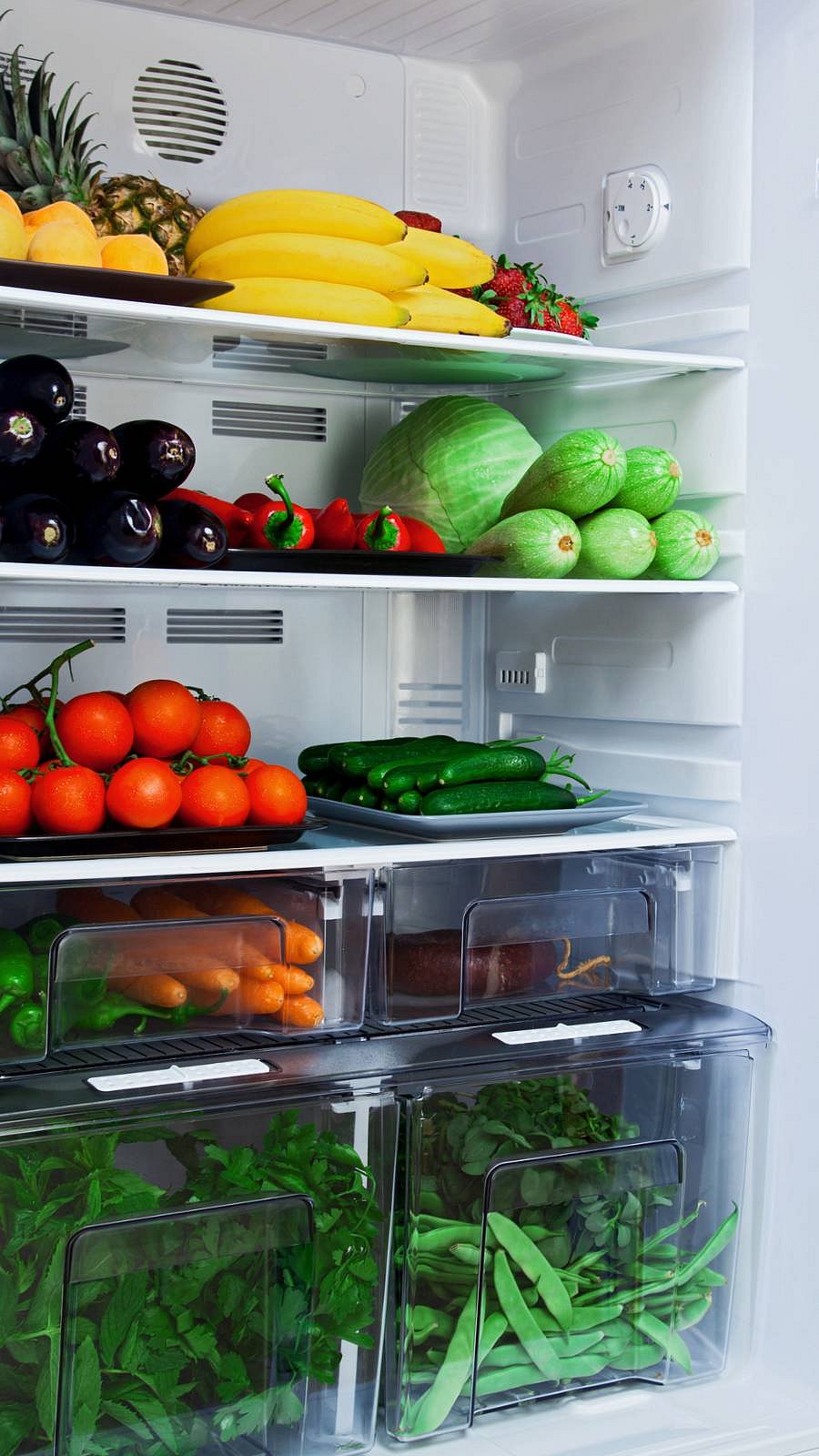
You wash vegetables bought from the market, dry them, and store them in the fridge. The refrigerator's job is to keep vegetables fresh for a long time. But nutritionists say that not all types of vegetables can be stored in the fridge.

Generally, no one stores vegetables like potatoes, ginger, garlic, and onions in the fridge. But why don't they? However, many may not know the scientific reason behind this.
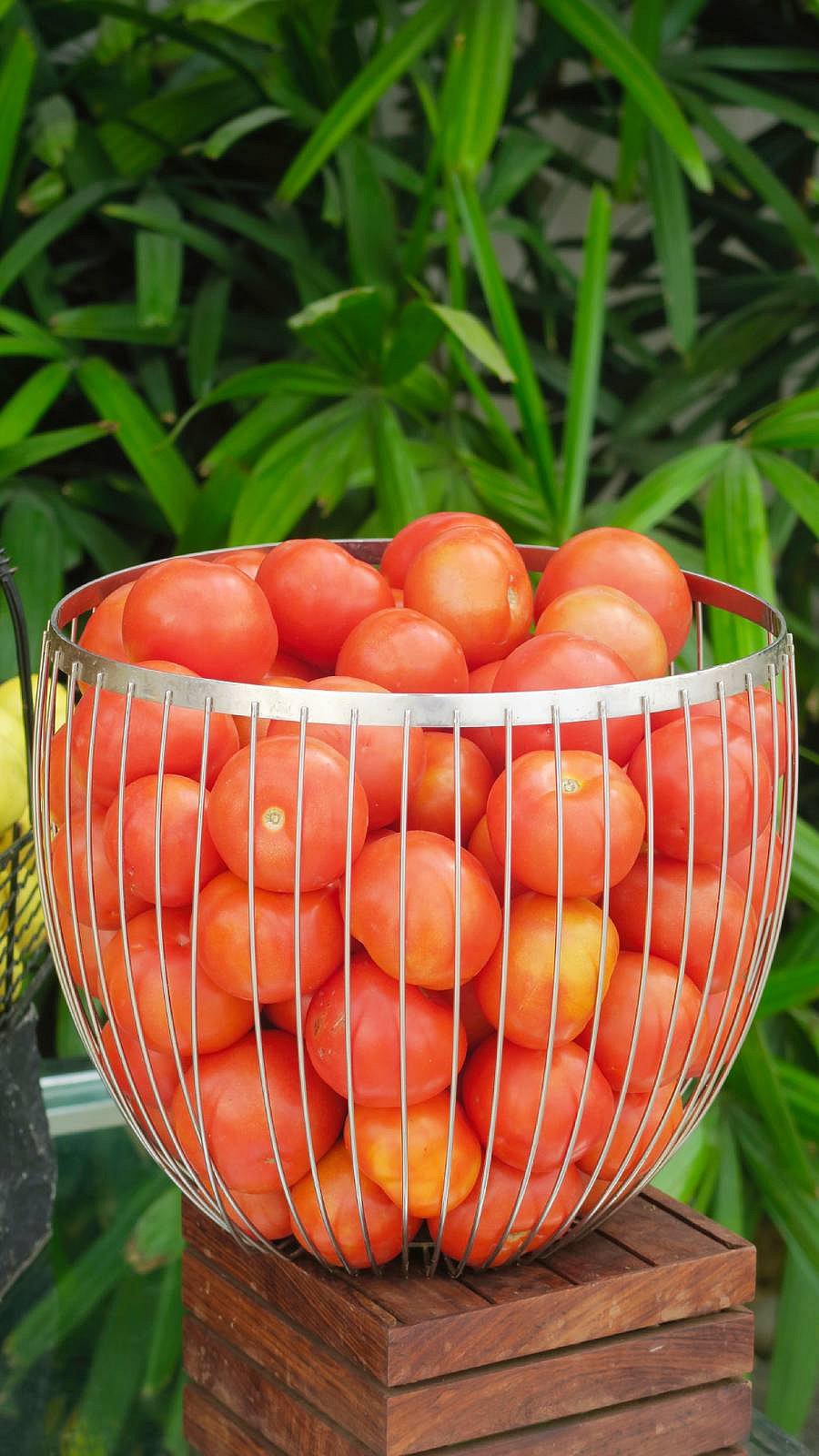
A study published in the 'Journal of Food Science and Technology' says that the components present in tomatoes, such as aldehydes and alcohols, change the vegetable's taste when exposed to cold.
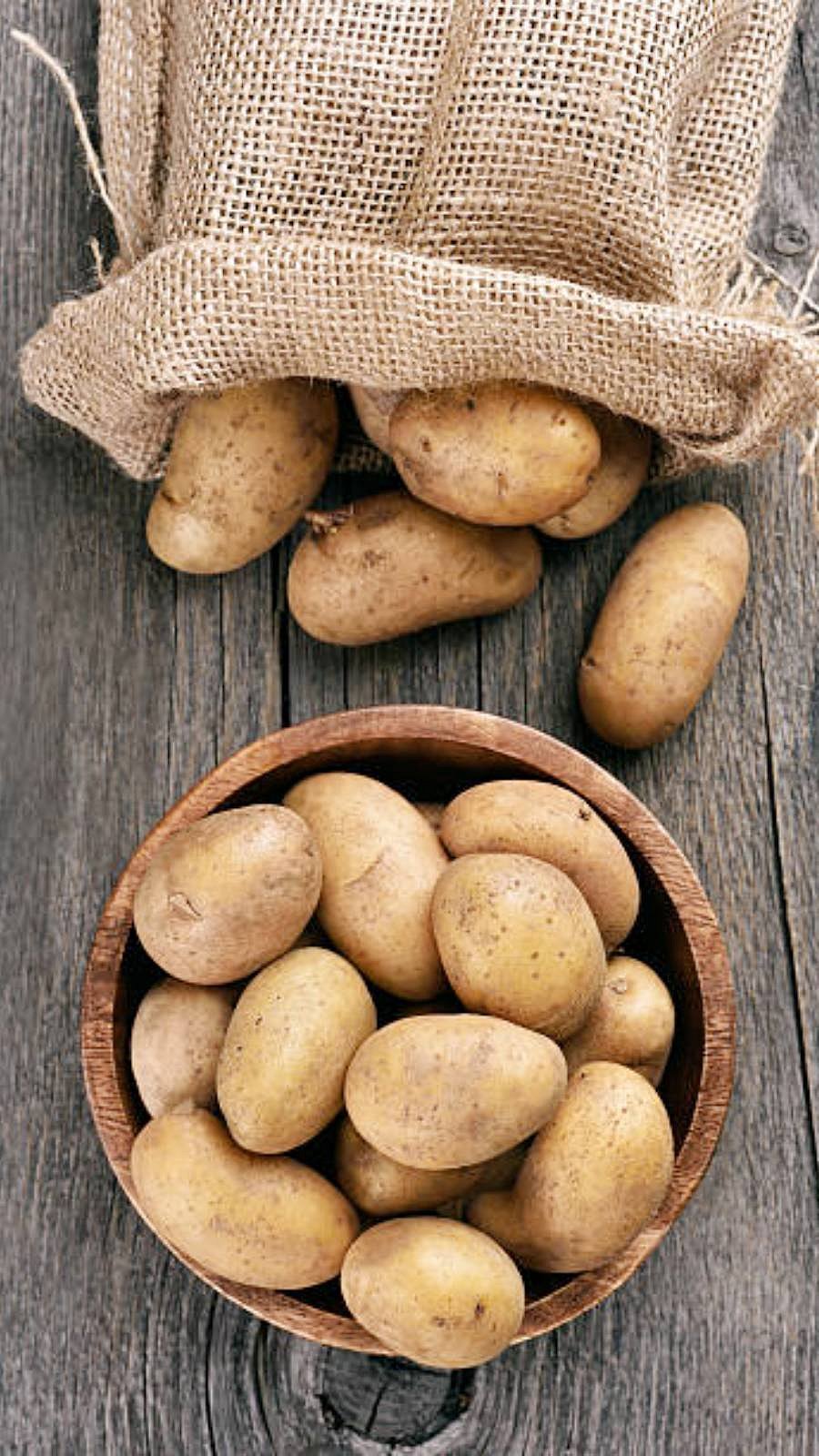
A research paper published in the 'Frontiers in Plant Science' journal states that storing potatoes in the fridge causes several metabolic changes in the vegetable, which are not good for the body at all.
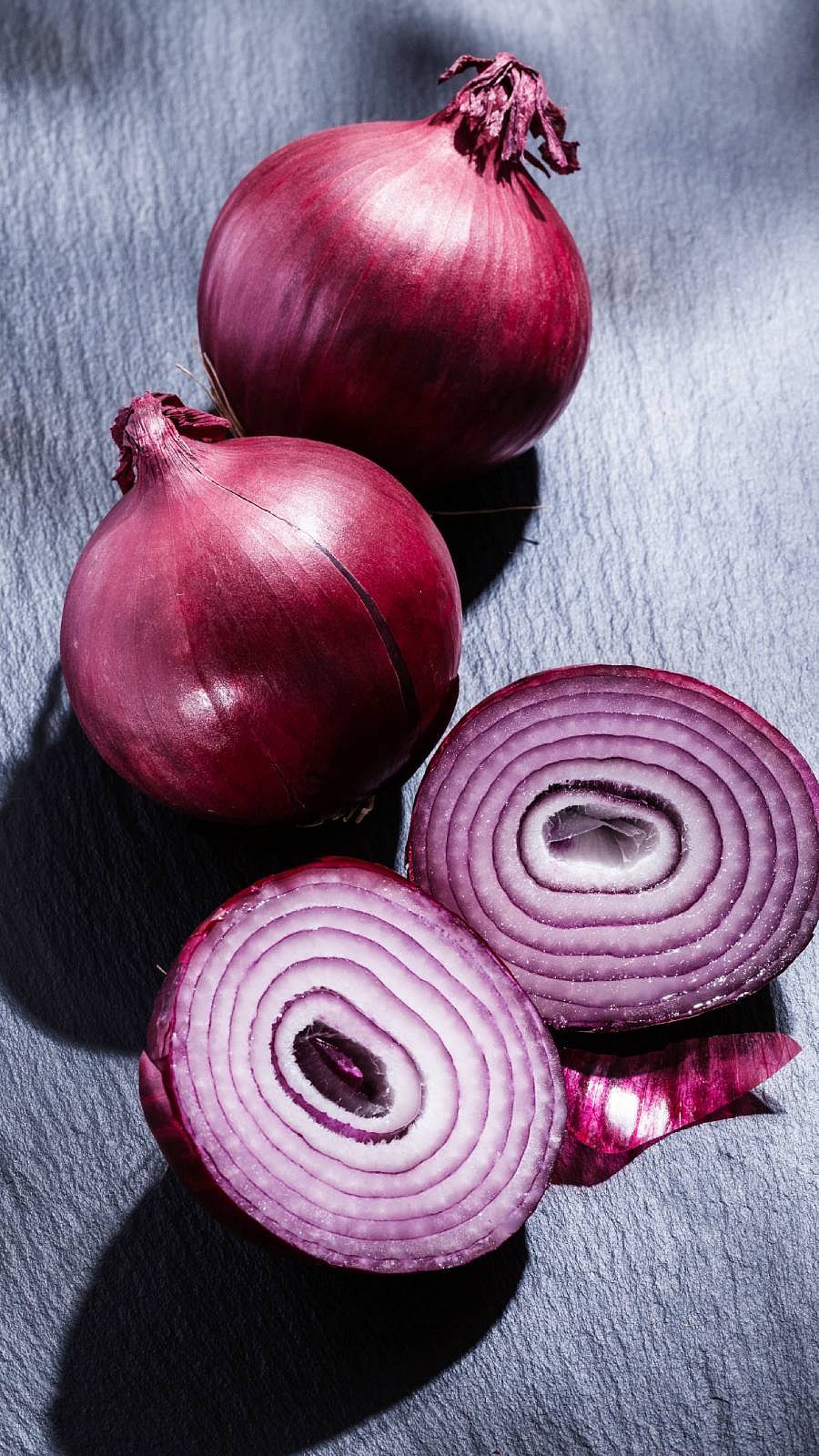
The same applies to onions. Storing onions in the fridge doesn't keep the vegetable fresh. Not only that, bacteria or fungus can also nest inside the onions.

Research published in the 'Frontiers in Plant Science' journal states that basil leaves can turn dark if kept in the fridge for several days. The chloroplasts present in the leaves get damaged when exposed to cold.

A research paper published in 'Food Chemistry' states that storing bananas in the fridge somewhat halts their metabolic process. Due to oxidative reactions, banana peels also start turning dark.

A research paper published in 'The Journal of Cereal Science' journal states that storing bread in the fridge makes it easy for bacteria and fungi to grow. Bread also spoils quickly.

Research published in the 'Food Chemistry' journal states that honey is a concentrated sugar solution. When exposed to low temperatures, that sugar or glucose turns into crystals.