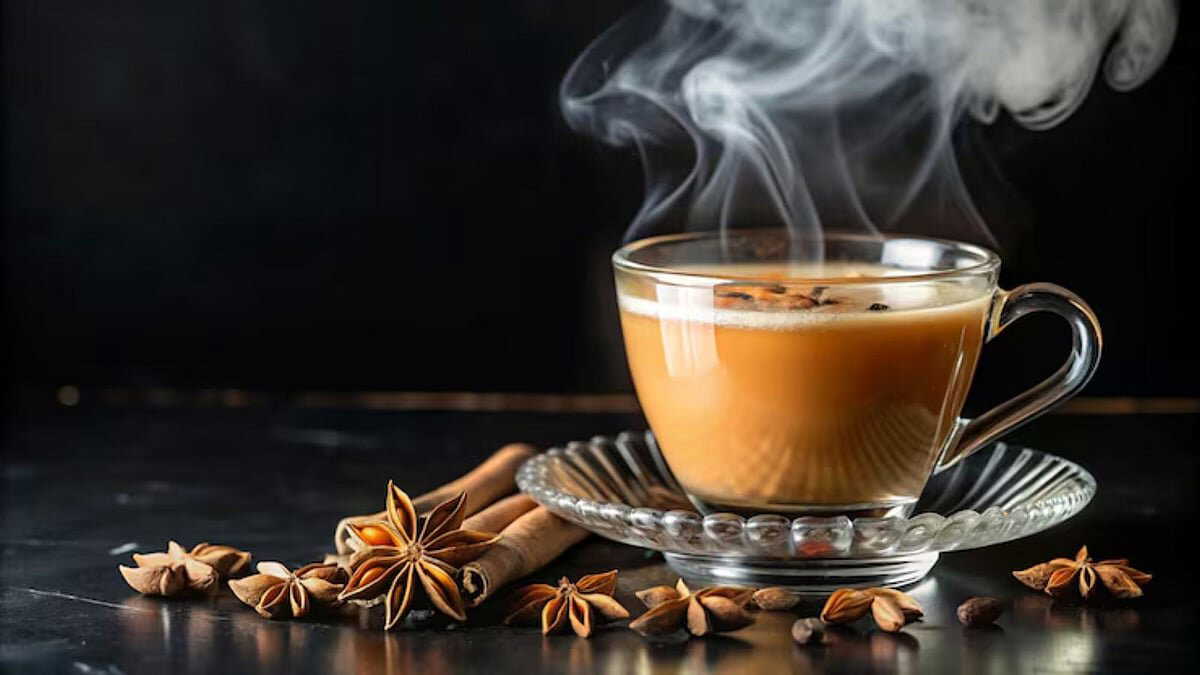
For Bengalis, tea is more than just a beverage; it is almost an emotion. The day begins with a cup of tea. Conversations at the neighbourhood corner revolve around tea. Even a quiet evening by the riverbank or a rainy dusk with friends or company feels incomplete without it. Winter mornings demand tea, and when guests arrive at home, even if nothing else is available, tea must be served. Life without tea is almost unimaginable for Bengalis.
Preferences, however, vary. Some swear by milk tea infused with ginger, cardamom, or cloves. Others prefer Darjeeling tea without sugar. Green tea has its loyal followers, and in recent years, blue tea and hibiscus tea have also found popularity. This often raises one common question: which tea is actually good for health?
The truth is, no tea can be labelled entirely “good” or “bad.” What truly matters is how often you drink it, how you prepare it, and what you consume along with it.
Is milk tea unhealthy?
Milk tea remains the most popular choice across India, especially at roadside stalls. A well-made cup feels filling and comforting. On its own, milk tea is not particularly harmful. The concern arises from habit.
ALSO READ । Want to make festive favourite? Here's how you can make perfect Yorkshire Puddings for Christmas
Many people consume three to four cups daily, often with sugar. This can easily add up to 20–25 grams of sugar every day, leading to sudden blood sugar spikes and gradual fat accumulation, especially around the abdomen. For people prone to acidity or digestive issues, milk tea can trigger heartburn, bloating, and discomfort—problems that worsen when tea is paired with biscuits or fried snacks.
Is liquor tea a better option?
Liquor tea, prepared without milk, reduces calorie intake and is rich in polyphenols and antioxidants. Several studies suggest it supports heart health, improves digestion, boosts immunity, aids weight control, and benefits skin health. It may also help lower the risk of diabetes.
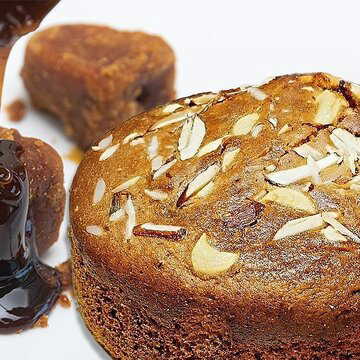
ALSO READ । Make a festive Nolen Gur cake: Coat your cake the Bengali way
However, moderation is essential. Excessive consumption can cause caffeine-related issues such as restlessness. Adding too much sugar also cancels out most of its health benefits. Ideally, liquor tea should be consumed without sugar or with minimal sweetness.
How healthy is green tea?
Green tea is widely preferred by health-conscious individuals. It helps increase metabolism, supports fat burning, and makes weight management easier. Its antioxidants slow ageing, improve skin glow, and support blood vessel health. Green tea is also associated with improved brain function and a reduced risk of heart disease and diabetes.
That said, more is not always better. Excessive green tea intake can lead to sleep disturbances, anxiety, and reduced iron absorption. Consuming more than two to three cups a day may also strain the liver.
ALSO READ । Latte or cappuccino? How to brew café-style coffee at home
So, which tea is safest?
The real issue is not the tea itself, but tea-drinking habits. Frequent consumption, excessive sugar, poor timing, and unhealthy accompaniments such as biscuits, pakoras, or savoury snacks are the main problems.
If you prefer milk tea, limit it to one or two cups a day, reduce sugar gradually, and avoid fried snacks alongside it.
If you choose liquor tea, keep sugar minimal or skip it altogether.
If you drink green tea, avoid sugar completely—otherwise, its benefits are lost.
In moderation, with mindful preparation and healthier habits, tea in any form can remain a comforting part of daily life without harming health.