Many people prefer to visit beaches and enjoy themselves whenever they get a holiday. And for beach lovers, Goa's attraction has always been irresistible. Whether it's sitting in brightly lit restaurants enjoying favorite seafood and beer, or strolling through Portuguese colonies within the city, there's no shortage of entertainment options in Goa. And if one can visit there this February, a different side of Goa will be witnessed. Because the Goa Carnival has begun there.
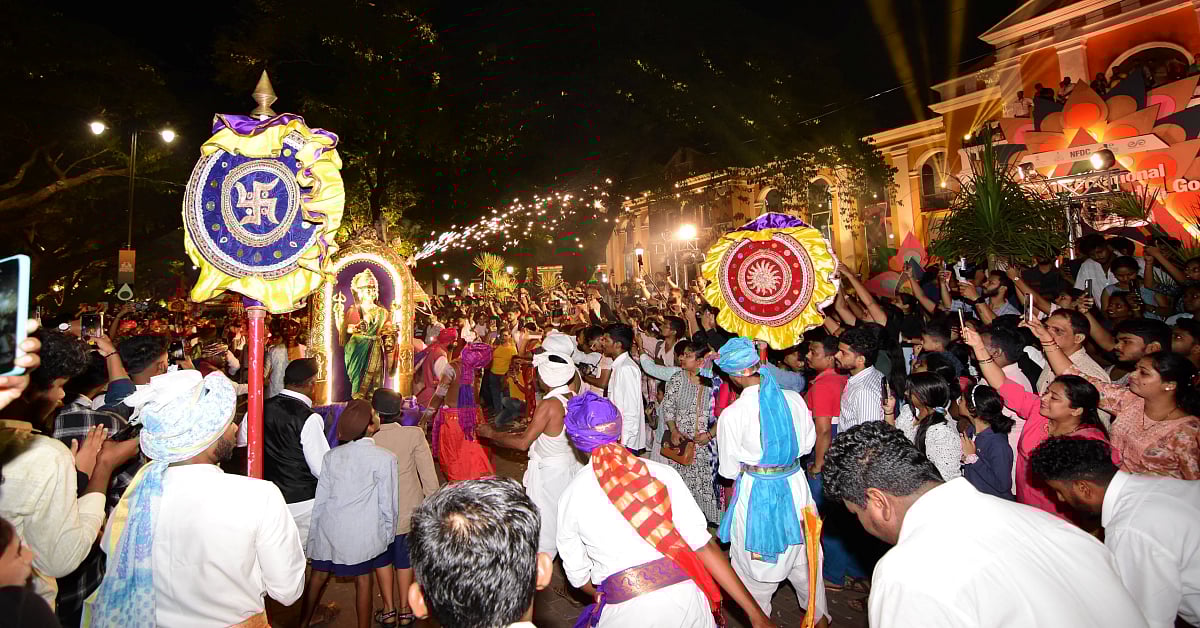
Like every year, the carnival has begun in Goa this year too. From February 14 to 17 — this carnival will continue for 4 days. All major cities including Panaji, Margao, Vasco da Gama, and Mapusa will be decorated. This carnival tells the story of a wonderful blend of tradition and history.

Portuguese rulers started this carnival in the 1700s. Every year, this carnival is organized for four days before the Christian Lent festival begins.
This Lent festival begins about 40 days before Easter. This festival actually speaks of sacrifice. During Lent, Christians give up unnecessary luxuries. Good food is also given up.
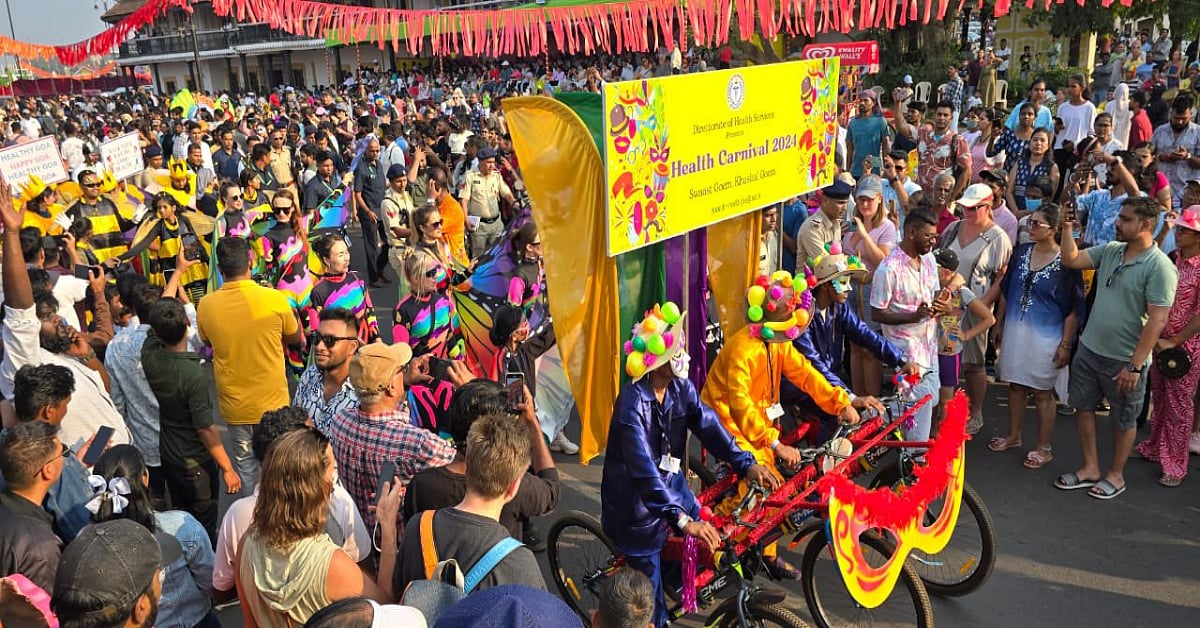
At one time, such carnivals were arranged before Lent throughout Europe. Then gradually, over time, those carnivals disappeared from Europe. However, even though Portuguese rule in Goa ended in 1961, the carnival continues to this day.
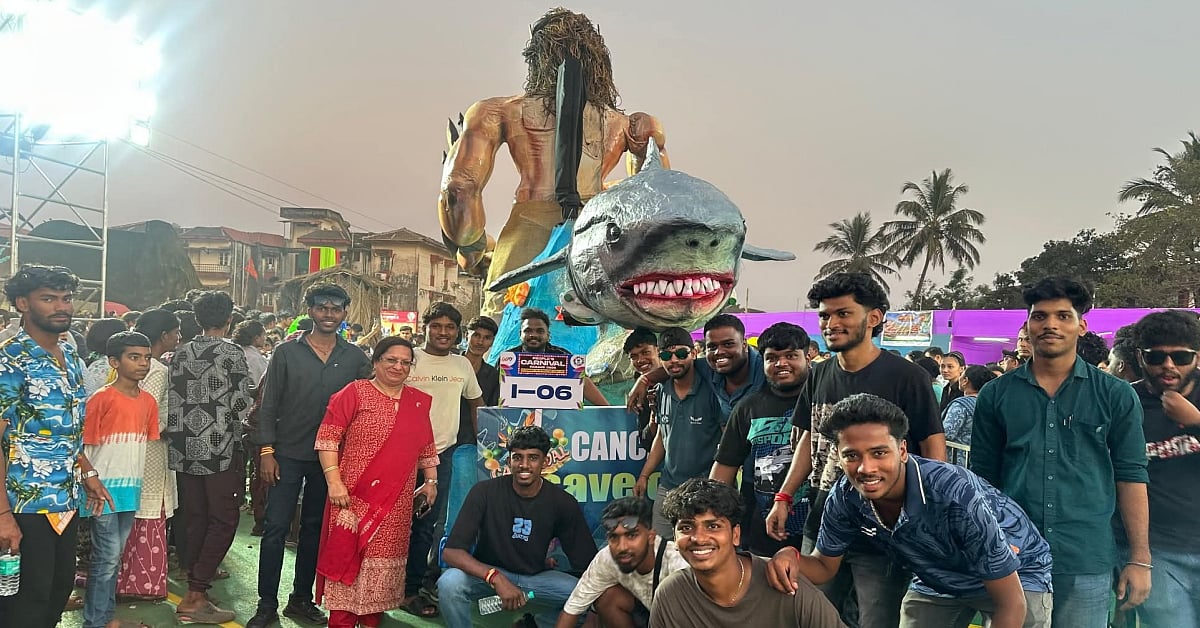
When it first began, this festival was limited only to elite Portuguese. At that time, eggs and vegetables were thrown for joy and celebration. Later, water began to be thrown instead of eggs in that festival.
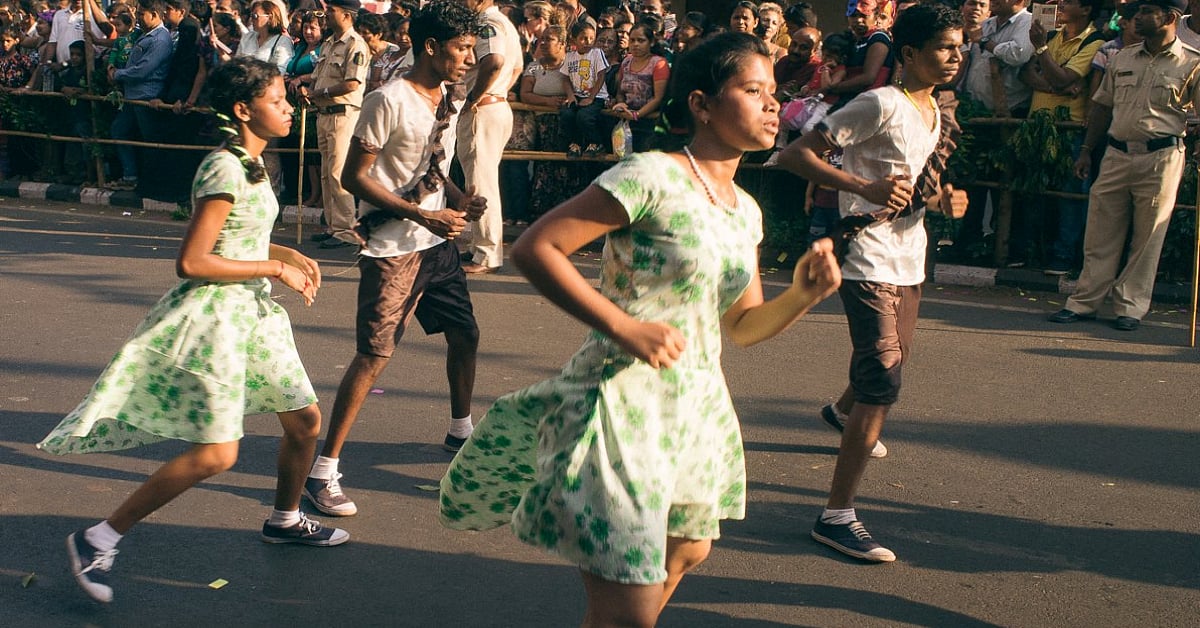
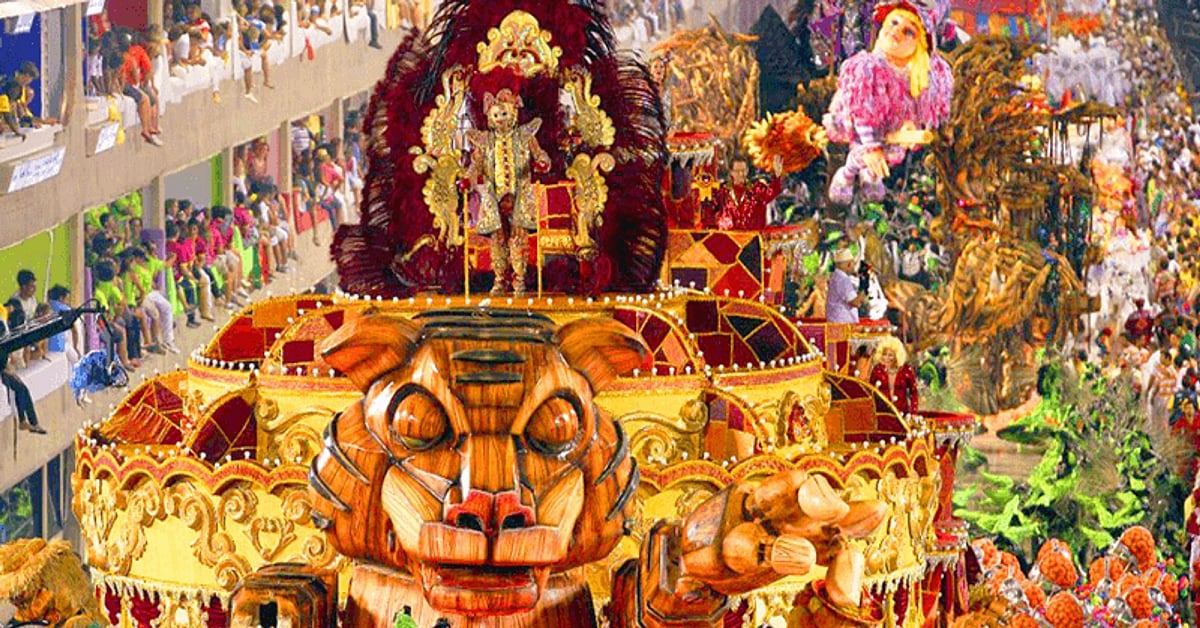
After gaining independence from the Portuguese, this carnival was about to disappear from Goa. Local artists of Goa have kept this carnival alive. Inspired by Brazil's carnival, a fun character called 'King Momo' has also been brought into the carnival.
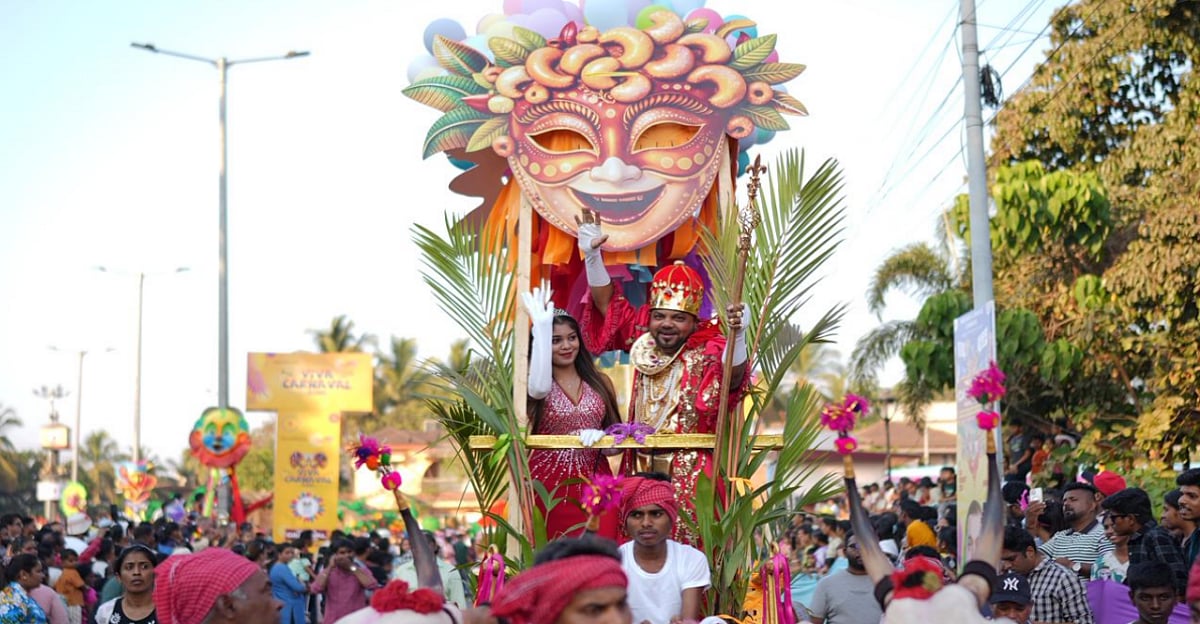
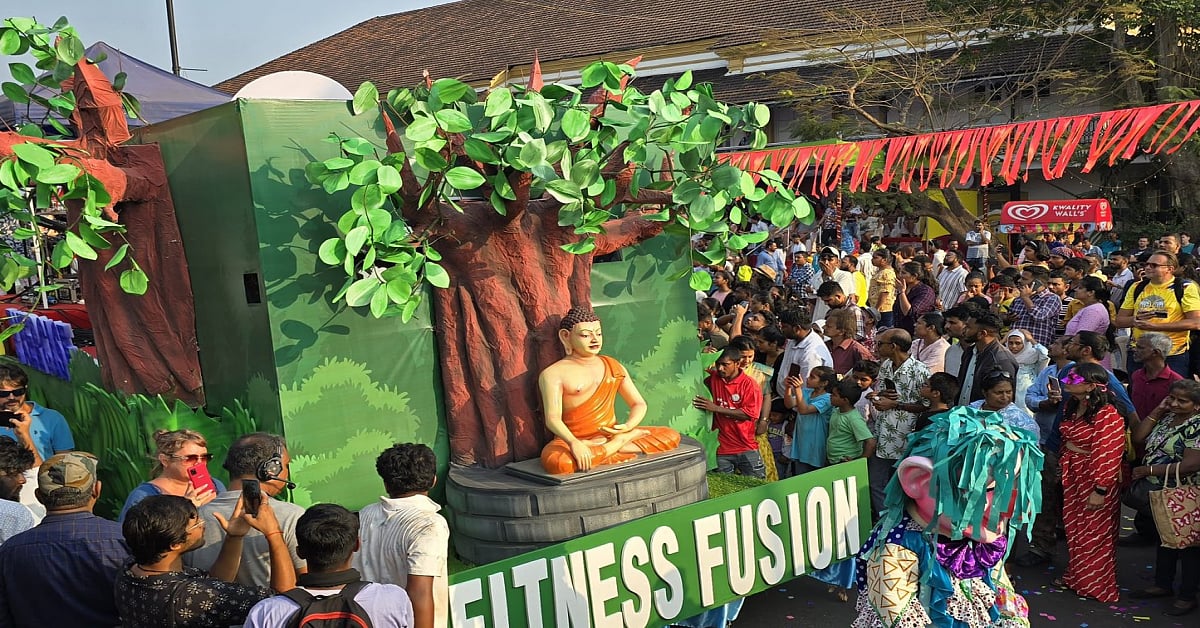
However, it's not just a festival of entertainment; various traditions of Goa are also spread through this carnival. Different themes exist at different times. In some years it's the Konkan railway, and sometimes cities are decorated with replicas of various fruits like coconut or cashew nuts.