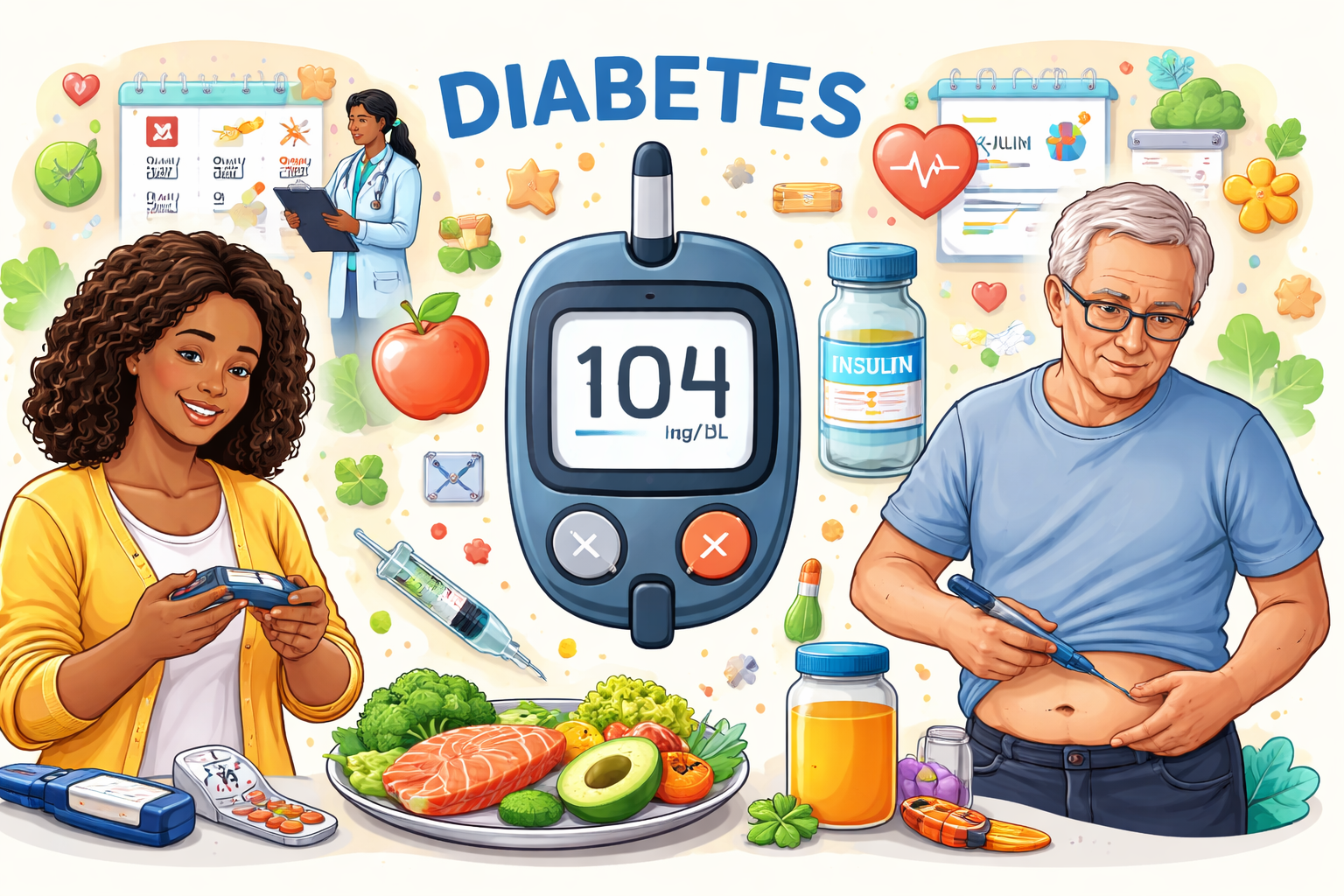
India is currently navigating the crossroads of climbing the global economic ladder with a hit on the collective health. The Lancet and the IDF Diabetes Atlas have published the latest data, which is alarming. 90 million people, a population of several European countries combined, are living with a condition that makes every aspect of physical well-being difficult.
The weight of 90 million lives
The surge to 90 million cases is the direct result of a lifestyle shift that happened from traditional whole-food diets to processed carbs and sugary snacks. The physical labour of previous generations has been replaced by smartphone screens and the sedentary nature of desk jobs. Research suggests that the Indian body is more prone to storing abdominal fat, a perfect storm for insulin resistance.
The urban-rural convergence
Diabetes is no longer an elite problem. It has moved from affecting the urban lives to rural India. In many villages, soda is easier to find than clean water, and the physical activity of farming is being mechanised. Due to the lag in rural healthcare systems, many of the cases go undetected for years and only get detected when they turn into serious kidney or heart issues. A convergence is being seen where the entire map of India is turning red on the diabetes scale.
Reclaiming the narrative
While medical advancements are vital, certain lifestyle changes are unavoidable if we have to improve the condition of collective health.
We need a society-wide approach to preventive living, which means making healthy food more affordable than junk food and making our cities more walkable again. It’s about education that starts in primary school and workplace cultures that value a person’s health as much as their productivity.
Also Read| What is ‘dark showering’? How the lights-off shower trend may support better sleep
The 90 million case is a reality check, but it doesn't have to be the end of the story. If India can channel its great capacity for innovation into public health, there is a path back to vitality. By treating this as a national priority rather than just an individual struggle, we can move from being the diabetes capital to a global leader in metabolic recovery.