Life today moves fast, often faster than our bodies can keep up with. Long work hours, irregular meals and constant mental stress are quietly affecting health in many ways. One of the areas feeling this pressure is fertility, both in men and women.
According to Ayurveda specialists, nature already offers support for this problem. Certain herbs and foods are believed to help the body restore balance and improve fertility naturally. Among them is something most of us see in our kitchens every day: sesame seeds.
Also Read | What is ‘dark showering’? How the lights-off shower trend may support better sleep
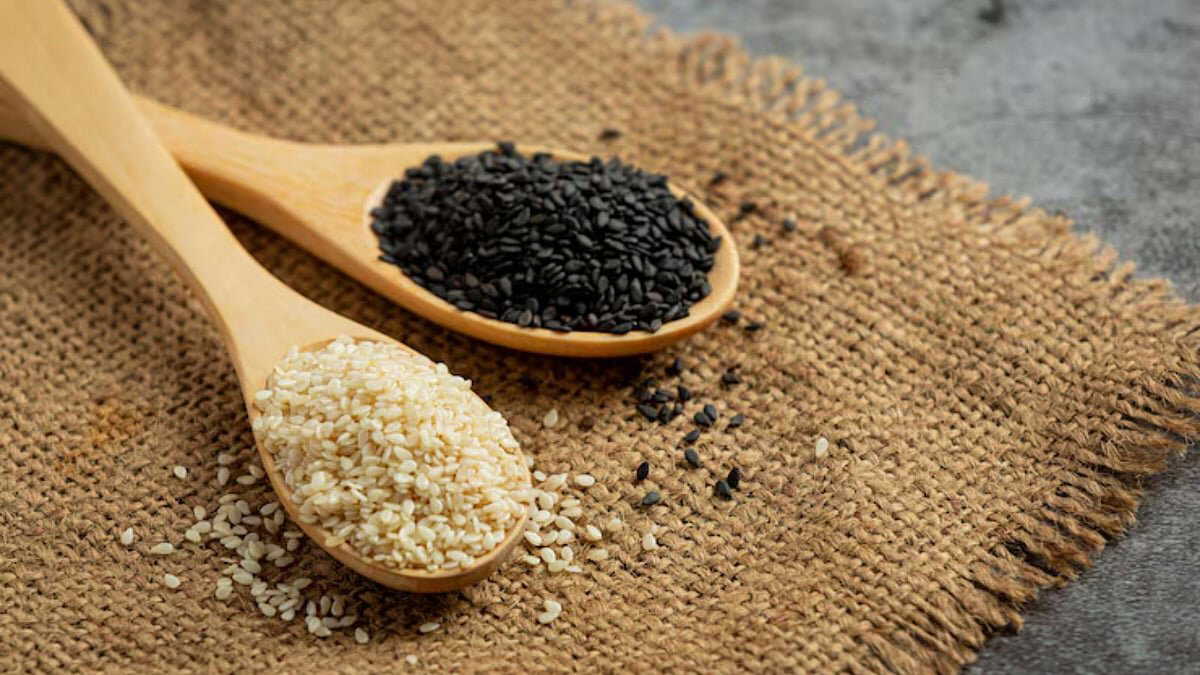
Black sesame seeds are commonly used for tempering, while white sesame seeds are sprinkled over dishes to enhance flavour. Beyond taste, Ayurveda considers both varieties highly effective for improving fertility. This brings us to a simple but important question: How exactly do sesame seeds work inside the body?
Benefits of sesame seeds for women and men
Many women face difficulties in conceiving due to hormonal imbalance, irregular menstruation, or a weak uterus. The oil present in sesame seeds helps keep the body warm, improves blood circulation, and supports the regulation of ovulation. As a result, the chances of conception increase.
Sesame seeds are equally beneficial for men. The calcium, iron, and zinc present in sesame seeds help improve sperm quality and motility. In Ayurveda, sesame seeds are described as a powerful herb for enhancing male sexual strength and fertility.
How to consume sesame seeds safely
For maximum benefit, sesame seeds can be consumed with a small amount of jaggery on an empty stomach in the morning. Eating sesame seeds during winter helps maintain body warmth. Using sesame oil in daily cooking is also beneficial. Women may gain special benefits by consuming sesame seeds for a few days after menstruation ends.
Also Read | How AI-style visual storytelling is making nutrition easy and fun to understand
However, sesame seeds should always be consumed in moderation. Excessive intake may cause digestive issues. People with excess 'pitta dosha' should consult a specialist before including sesame seeds regularly in their diet.