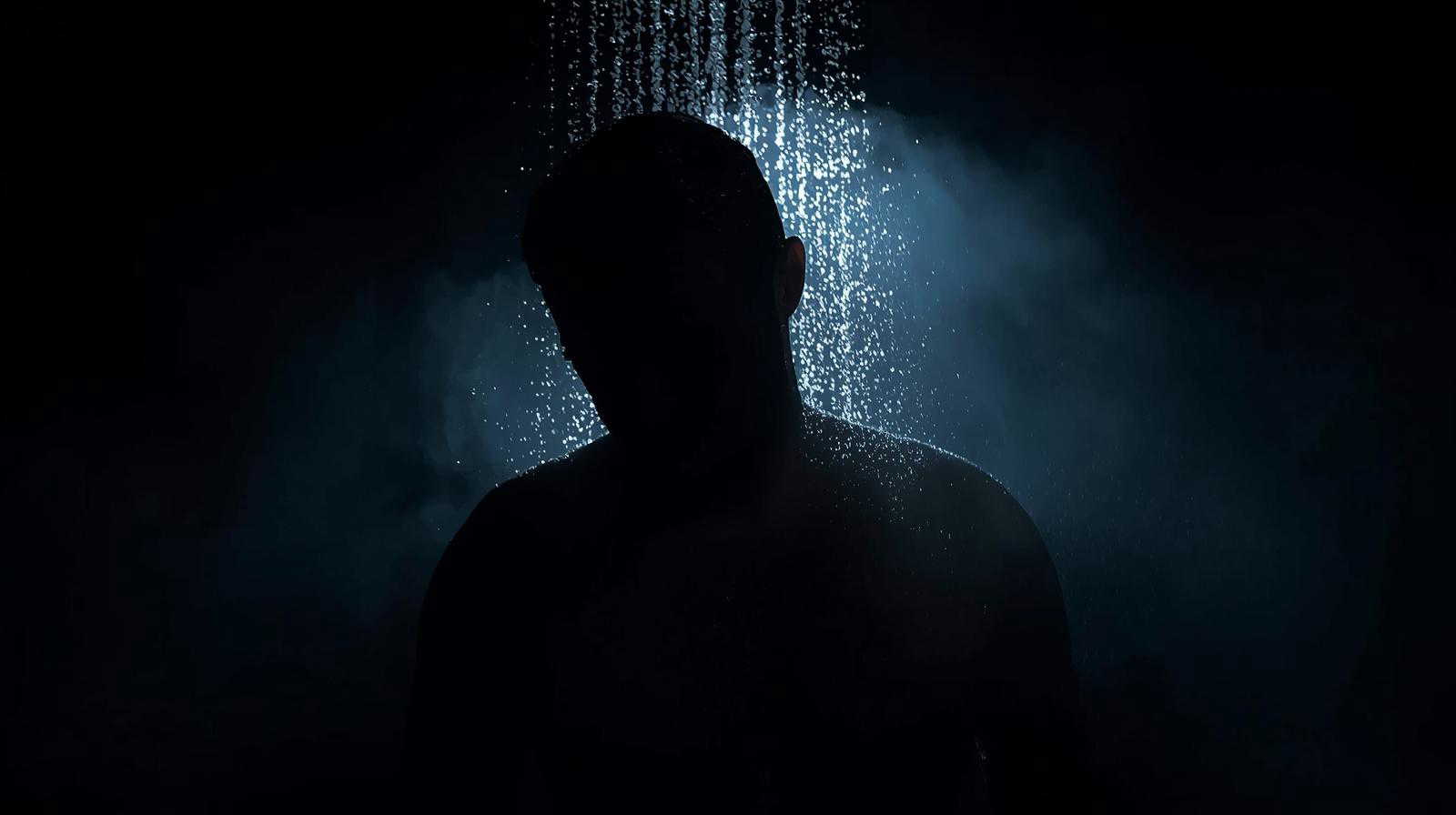
After long days ruled by screens, notifications, and artificial light, many people are looking for small ways to truly switch off at night. Following days spent in the grip of screens, notifications, and artificial lighting, many of us are seeking minute ways to completely disengage at night. Enter the phenomenon of dark showering – a softly spoken, light-out process that is quickly gaining a following online for its calming, almost meditation-like quality. Gone are the bright lights and hurried washing – in its place, the shower is entered either in reduced light conditions or totally in the dark.
It sounds a bit weird, but this remedy resonates with something familiar in our experiences. Removing visual distraction and simply covering the eyes can create a pause in a normal activity that has been identified as helping the body relax by experts as a way to reduce stress and prepare for sleep.
What is dark showering?
Dark showering, as the term suggests, involves switching off bright bathroom lights and either allowing the shower to take place in a general low light or in darkness. The whole idea isn't about doing anything fancy, but just to strip off visual stimulation. Without the mirrors, harsh bulbs, or distractions, attention will definitely be shifted toward the other senses: the soothing warmth of water, the scent of soap, and the steady rhythm of breathing.
Also Read | What is Capgras syndrome? A rare condition that makes loved ones seem like strangers
The ritual, many said, helps to tune down the tempo of the mind, especially at night, because screens and artificial lighting often prevent brains from shutting down as long after they should.
Dr Allie Hare, president of the British Sleep Society, told glamour.com, “Experiencing showering in the dark or dim light can support relaxation through mindful enjoyment of the experience, and this can help with winding down and switching off before bedtime, which can also help some individuals fall asleep more easily.”
She further added, “Taking a shower under dim light conditions may also help to signal to the body that it is time for sleep because dim light is a signal for the release of one of the key hormones of sleep, melatonin.”
The link between darkness and melatonin
Explaining the science behind this, Arpita Kohli, psychologist and counsellor, PSRI Hospital, told indianexpress.com, “Melatonin is the hormone that helps regulate our sleep-wake cycle, and its release is strongly influenced by light exposure. Bright light, especially from bulbs and screens, suppresses melatonin production, while darkness encourages it.”
Duly, sleep experts say the practice can help some people wind down before bedtime. She further added that a reduction in artificial light before bed, including during a shower, can help signal the brain to fire off more melatonin. And while one dark shower is not going to make a dramatic difference in sleep overnight, repeating it in a sequence as part of a calming routine may gradually produce better sleep quality by easing the body into rest mode.
Also Read | What is 'Kintsugi'? Here's one Japanese art you didn't know about
Stress relief through sensory focus
Beyond sleep, dark showering is also being explored as a stress-relief practice. Kohli explains, “Yes, showering in the dark can also be a tool for stress relief. Without visual stimulation, the body relies more on the senses of touch, sound, and smell. The warmth of the water, the sound of flowing water, and even calming scents like lavender soap can feel more intense and soothing.”
This switch in sensation may calm the mind's racing thoughts and provide a moment of meditation and contemplation, something that could be very helpful to those who are struggling with anxiety.
Who should be cautious?
Even if generally safe, black showering does not always work for everyone. According to Kohli, individuals with balance problems, vertigo, or vision problems may be more vulnerable to slipping.
“In such cases, using a dim night light instead of complete darkness can provide safety while still minimising light exposure,” she says, adding that the practice should always be adapted to individual comfort and safety.
Additionally, individuals with sensory sensitivities may experience disorientation if they are exposed to blackout conditions.